
African Coffee Shop: Find East African Coffees and What to Order

An African coffee shop is a café that puts African-origin beans front and center, draws on East African brewing traditions, and wraps the whole experience in genuine cultural hospitality. If you want to find one right now, here’s how:
- Search Google Maps for “Ethiopian coffee ceremony near me” or “East African coffee shop [your city]” to surface the most relevant results fast.
- Check Instagram tags like #ethiopiancoffee, #kenyaaa, or #eastafricancoffee and look for menu photos that name specific origins.
- Ask at local African cultural centers, diaspora community groups, or African grocery markets — staff usually know exactly where to go.
Pro Tip: When you arrive, the single best first order is a single-origin pour-over from Ethiopia or Kenya. It puts the origin’s flavor front and center with no distractions.
Key Takeaways
An authentic African coffee shop is defined by origin-specific sourcing, named processing methods, and cultural hospitality — not just a geographic label on the menu.
| Point | Details |
|---|---|
| What defines authenticity | Named origins, roast dates, washing-station details, and a barista who can explain the sourcing. |
| Best first order | Single-origin pour-over from Ethiopia or Kenya; ask for roast date and processing before ordering. |
| Red flag to avoid | “African blend” with no origin details or roast date means marketing, not genuine sourcing. |
| Top origins to know | Ethiopia (floral, citrus), Kenya AA (bright, berry), Tanzania (smooth, buttery), Gesha (tea-like, delicate). |
| At-home alternative | The Flaming Bean’s Evening Roast and Angry Rooster deliver origin-forward flavor for home brewing. |
Table of Contents
- What does an authentic African coffee shop look, sound, and taste like?
- What brewing styles will you actually find on the menu?
- Which African origins should you look for, and what do they taste like?
- How do you find an authentic African coffee shop in the U.S.?
- How do you evaluate a shop’s sourcing claims?
- What should you order first at an East African café?
- The thing most people get wrong about African coffee shops
- No local shop nearby? The Flaming Bean has you covered
- Sources
What does an authentic African coffee shop look, sound, and taste like?
Authenticity shows up in layers. The atmosphere usually features communal seating, African textiles or artwork on the walls, and background music from the region. Shops like Emwani in Tanzania position themselves as cultural hubs that actively reclaim local coffee identity through origin storytelling and ethical sourcing — that same spirit carries into U.S.-based East African cafés.
On the menu, look for:
- Named origins: Ethiopia, Kenya, Tanzania, Rwanda, or specific regions like Yirgacheffe or Sidama
- A traditional coffee ceremony option or jabana-style service
- Single-origin pour-overs alongside espresso-based drinks
- Traditional snacks: sambusas, kaimati, or savory pastries
Service is where you can really tell. A knowledgeable barista will name the washing station, roast date, and processing method without you having to ask. Kahawa Coffee House in Nashville pairs Swahili street food with specialty East African coffee and lists regional snacks alongside signature lattes — a good model of what a well-rounded menu looks like.
Pro Tip: Ask the barista “Where is this from and how was it processed?” A confident, specific answer — “washed Yirgacheffe, roasted two weeks ago” — is a strong sign you’re in the right place.
What brewing styles will you actually find on the menu?
The Ethiopian coffee ceremony is the centerpiece of many East African cafés. Beans are roasted tableside in a flat pan, ground by hand, and brewed in a clay pot called a jebena. Coffee is served in small handleless cups called sini, often with sugar and sometimes with popcorn or incense. Ethio Natural Coffee Shop centers its entire brand on hand-roasted Ethiopian coffees and this ceremony — expect the ritual to take 20–30 minutes and to be served three rounds.
Beyond the ceremony, filter methods dominate:
- V60 and Chemex pour-overs are the most common ways shops highlight single-origin African beans; the slower brew extracts floral and fruity notes that espresso can compress.
- Espresso-based drinks using African single-origin pulls are increasingly common — a Kenya AA shot in a flat white delivers a noticeably winey, berry-forward flavor.
- Seasonal and festival offerings appear around Ethiopian New Year (September) and other cultural holidays; these often feature limited harvest lots or ceremony-style service for groups.
Pro Tip: If the menu lists both a pour-over and an espresso option from the same origin, try the pour-over first. It gives you the clearest read on what that origin actually tastes like.
Which African origins should you look for, and what do they taste like?
Ethiopia is the birthplace of coffee, and it shows on the cup. Ethiopian beans — especially washed Yirgacheffe — deliver jasmine, bergamot, and lemon zest with a tea-like body. Natural-processed Ethiopian lots lean toward blueberry and stone fruit. Kenya AA brings bright, almost electric acidity with blackcurrant and berry notes; Tanzania tends to be smoother, with a buttery body and a sweet, clean finish that makes it a gentler entry point.
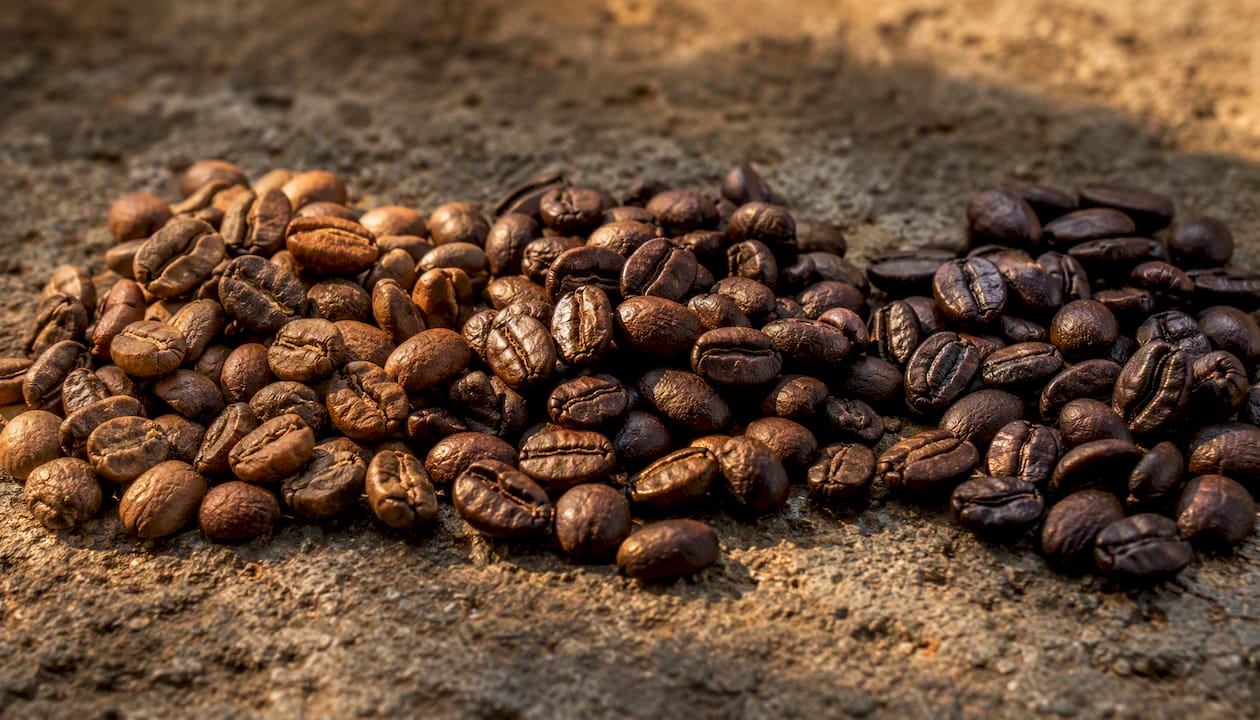
Gesha (also spelled Geisha) is the prestige lot you’ll see on specialty menus. TasteAtlas lists Gesha Village Estate among the top-rated African coffee beans, and for good reason: the profile is delicate, floral, and tea-like, closer to a fine oolong than a conventional coffee. It’s almost always sold as a single-origin pour-over and priced accordingly — expect to pay $8–$15 per cup. For deeper context on how rare wild coffees like Harenna forest wild coffee fit into the broader culinary picture, culinary-tourism resources frame these varieties well.
| Origin | Common Processing | Tasting Shorthand |
|---|---|---|
| Ethiopia | Washed or natural | Jasmine, citrus, blueberry |
| Kenya | Washed (Kenya AA) | Blackcurrant, bright acidity, berry |
| Tanzania | Washed | Buttery, smooth, sweet finish |
| Rwanda | Washed | Red fruit, caramel, clean |
| Gesha | Washed | Floral, tea-like, delicate |
For a fuller breakdown of how origin shapes flavor, The Flaming Bean’s origin flavor guide walks through Arabica varieties and what drives tasting differences between regions.
How do you find an authentic African coffee shop in the U.S.?
- Search Google Maps with specific terms: “Ethiopian coffee ceremony,” “East African coffee shop,” or “Kenya AA pour-over” plus your city name. Shops that use origin-specific language in their listings are usually the real deal.
- Filter by reviews. In Google Maps reviews, search for keywords like “single-origin,” “ceremony,” “Yirgacheffe,” or “direct trade.” If customers are using that language, the shop earns it.
- Check Instagram and TikTok for tags like #ethiopiancoffee, #kenyacoffee, or #africancoffeeshop. Menu photos and ceremony videos tell you more than a website description.
- Contact local African cultural centers or diaspora associations in your city. They often maintain informal directories of community-owned businesses, including cafés.
- Visit African grocery markets. Owners and staff frequently know which nearby cafés source directly from East Africa or host cultural events.
Culinary tourism is also a growing angle here. Coffee-focused culinary travel experiences now include café crawls and origin-tasting events in cities with large East African communities — Washington D.C., Minneapolis, Seattle, and Columbus are strong markets to search.
How do you evaluate a shop’s sourcing claims?
Not every café that calls itself an “African coffee shop” earns the label. Here’s what to check:
- Roast date on the bag or menu. Specialty coffee is best within 2–6 weeks of roasting. No date is a red flag.
- Named origin, farm, or washing station. “Ethiopia” alone is vague. “Washed Yirgacheffe, Kochere washing station” is traceable. Menus that list cooperative or washing-station names like Ngororero signal real sourcing transparency.
- Processing method stated. Washed, natural, or honey-processed — this tells you the shop understands what it’s selling.
- Importer or roaster named. A shop that names its roaster or importer is accountable. One that doesn’t may be buying commodity coffee and marketing it as specialty.
Red flag to watch for: A menu that uses “African blend” as a category with no origin details, no roast date, and no processing information is using “African” as a marketing term, not a sourcing claim. Authentic shops are specific because they’re proud of the details.
Pro Tip: Check the washing-station and processing notes for Rwandan coffees like Ngororero — understanding what those names mean helps you spot genuine traceability on a menu.
What should you order first at an East African café?
Start with a single-origin pour-over from Ethiopia or Kenya. Ask the barista for the roast date and processing method before you order — their answer tells you how much they care about what’s in the cup.
If the café offers a traditional Ethiopian coffee ceremony, book it. It’s a 20–30 minute experience, usually $10–$20 per person, and it’s the most direct way to understand how coffee is woven into East African daily life. Addis in Brixton pairs its ceremony with Ethiopian cuisine and cultural programming — that combination of food and coffee is exactly what to look for.
For snacks and pairings:
- Sambusas (savory pastries filled with lentils or meat) pair well with a bright Kenya AA
- Kaimati (sweet fried dough) complement a smoother Tanzania or Rwanda cup
- Injera with honey works beautifully alongside a floral Ethiopian natural
When you’re ready to order, try: “What’s your freshest single-origin pour-over today, and can you tell me about the processing?” That one question usually starts a great conversation and gets you the best cup on the menu. For help matching tasting notes to your palate before you go, The Flaming Bean’s coffee flavor wheel guide is a practical reference.
The thing most people get wrong about African coffee shops
Most guides treat “African coffee shop” as a search category and stop there. The better frame is cultural experience with coffee at the center — not a café that happens to stock Ethiopian beans.
The shops worth your time are the ones doing what Emwani does in Tanzania: using coffee as a way to tell a specific story about a specific place. That means the origin details on the menu aren’t decoration. They’re the whole point. When a barista tells you the beans came from the Kochere washing station in Yirgacheffe, harvested in a specific season, they’re giving you a thread that connects your cup to a farmer, a landscape, and a tradition.
The conventional advice — “look for the coffee ceremony” — is fine but incomplete. A ceremony can be performed without any real sourcing transparency behind it. The stronger signal is specificity: named farms, named washing stations, named importers, roast dates you can verify. That’s what separates a genuine African coffee shop from a café with African-themed décor.
Order the pour-over before the latte. Ask the uncomfortable questions about sourcing. And if the staff can’t answer them, the shop probably can’t back up its claims.
No local shop nearby? The Flaming Bean has you covered
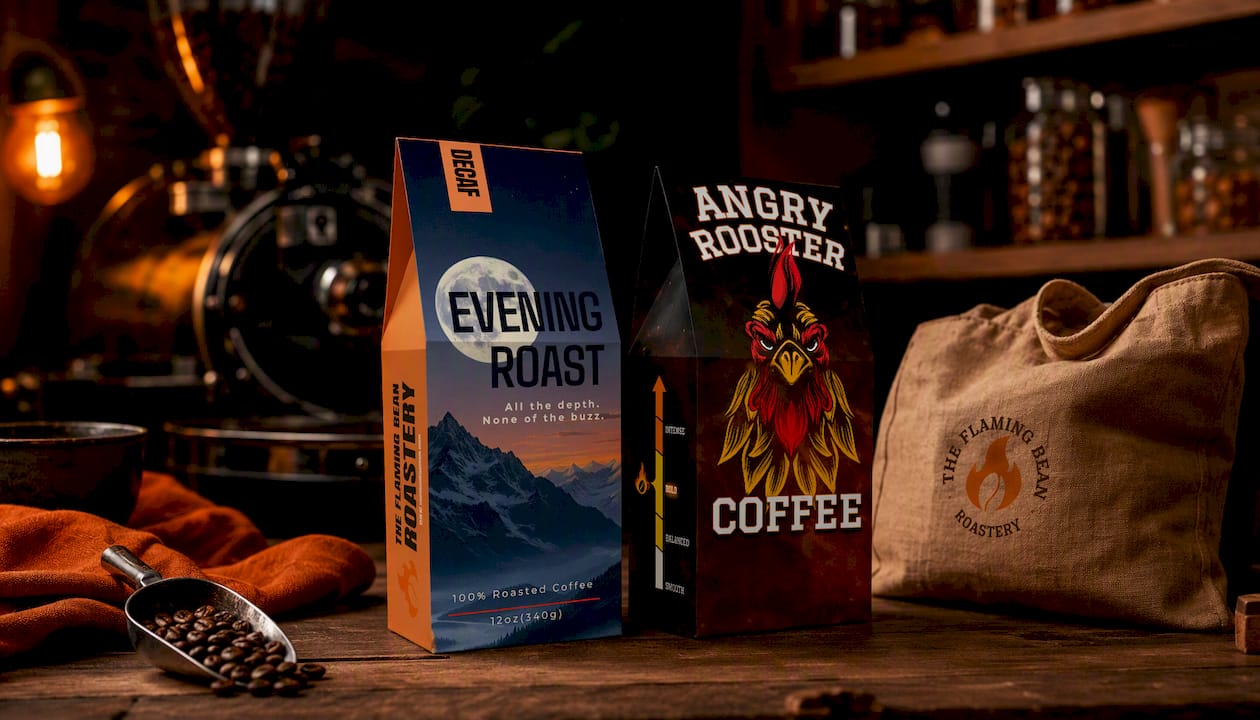
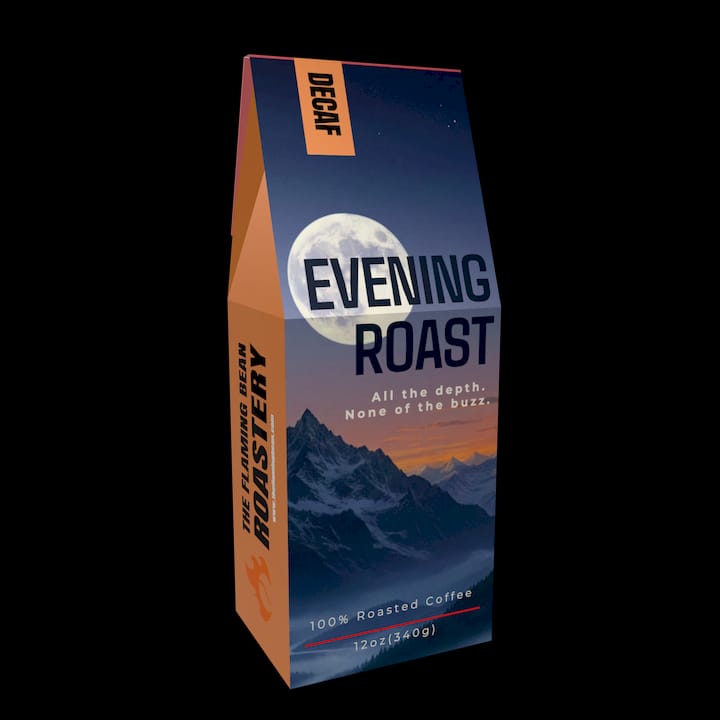
If an authentic East African café isn’t within reach, The Flaming Bean brings those origin-forward flavors home. The Evening Roast is a smooth, approachable option that works beautifully as a home pour-over — grind medium-fine, use water just off the boil at around 200°F, and brew slowly over 3–4 minutes to pull out the floral and fruity notes that define great African-origin coffee. For something bolder, the Angry Rooster delivers a punchy, full-bodied cup with the kind of character you’d expect from a well-sourced East African blend.
Both blends come with full product and sourcing details on the product pages. Browse the full range at The Flaming Bean and find a subscription option that keeps great coffee at your door.
Sources
- 5 Best Coffee Beans in Africa - TasteAtlas
- What Is Culinary Experience Travel? A Food Lover’s Guide – Wild Foodz by Hotel Entree Brugge
- Emwani
Recommended
- Top 3 kawah-rwanda.com Coffee Alternatives 2026 – The Flaming Bean Roastery
- Types of Coffee Bean Origins: A Flavor Guide – The Flaming Bean Roastery
- Why Some Coffee Tastes Chocolatey: A Flavor Guide – The Flaming Bean Roastery
- Find Coffee Matching Your Palate: A Flavor Guide – The Flaming Bean Roastery
Comments