
Start with Evening Roast: Best Single Origin Coffee for Home Brewers

Your best bet for single origin coffee right now is a fresh, small batch roast with a clear roast date and honest tasting notes, like a well-crafted medium roast. It’s a smooth, approachable medium roast built for everyday brewing, not a specialty showpiece that requires a chemistry degree to enjoy. Start there, then use the buying criteria below to build out your rotation.
TL;DR:
- Choosing a medium roast with a clear roast date and specific origin details ensures maximum freshness and flavor integrity.
- Small batch and microlot coffees offer more careful sorting and roasting, making them preferable for quality and traceability.
- Proper storage, timely delivery, and grinding just before brewing preserve aromatic qualities and taste clarity.
- Consistent brewing variables and matching roast levels to your preferred method enhance the distinct origin characteristics.
- Rotating a few origins every few bags rather than constant switching allows for better calibration and appreciation of flavor nuances.
Table of Contents
- What Makes Evening Roast A Smart First Buy
- What Should You Check Before Buying Single Origin Coffee Online?
- How Does Coffee Origin Shape The Flavor In Your Cup?
- Which Roast Level Should You Choose For Your Brew Method?
- How Long Do Single Origin Beans Stay Fresh After Roasting?
- How Should You Brew Single Origin Coffee To Taste The Origin?
- How Does The Flaming Bean Source And Roast Its Single Origin Coffee?
- Should You Rotate Origins Or Stick With One Daily Coffee?
- Ready To Order Your First Bag Of Evening Roast?
- Sources
What Makes Evening Roast A Smart First Buy
Single origin coffee means every bean in the bag comes from one country, region, or even one farm, unlike a blend that mixes beans from multiple origins to hit a consistent flavor target every time. That distinction matters because single origin beans carry the fingerprint of their soil, altitude, and processing method. Blends smooth that fingerprint out for consistency.
Evening Roast sits in the medium roast range, which is exactly where a first-time single-origin buyer should start. It’s built to be smooth and comforting rather than sharp or experimental, with enough roast development to soften acidity while still letting the bean’s natural character come through. That makes it forgiving across brew methods. You don’t need a $400 grinder to get a good result.
Here’s who should reach for it first:
- Coffee drinkers moving from grocery-store blends who want more flavor without a steep learning curve.
- Anyone brewing drip, pour-over, or French press at home without a lot of dial-in time.
- Readers who want a reliable “house coffee” before they start rotating rarer microlots.
Evening Roast is available in whole bean and ground formats, and buying whole bean and grinding just before brewing preserves aroma compounds that fade fast once the bean is cracked open. The product page also supports subscription ordering, which solves the freshness problem better than any single purchase can, since you’re never brewing beans that sat in a warehouse for two months.
What Should You Check Before Buying Single Origin Coffee Online?
Every single origin listing makes an implicit promise: this bag tastes like where it came from. The way to verify that promise is to read the product page like a specialty buyer, not a casual shopper.
Run through this checklist on any listing before you buy:
- Roast date. Look for an actual date, not a vague “best by” window months out. Small batch roasting and clear roast date labeling let you time a purchase for peak flavor, and their absence is the single biggest red flag on a product page.
- Origin specificity. “Colombia” tells you less than “Huila, Colombia, 1,800 meters” or a named farm. The more specific the listing, the more the roaster likely knows about the lot.
- Processing method. Washed, natural, or honey processed should be stated outright, since it shifts the flavor toward clean acidity or heavier fruit and body.
- Lot size. Microlots and small batches tend to get more careful sorting and roasting attention than large commercial lots.
- Tasting note detail. Specific notes like “blackberry, brown sugar, orange zest” suggest an actual cupping session happened. Generic terms like “smooth” or “rich” suggest marketing copy filled the gap.
- Packaging. A one-way degassing valve and opaque bag protect the beans in transit and on your shelf.
Match these signals to what you actually want. If you value consistency over adventure, weight roast date and processing method most heavily. If you’re chasing novelty, origin specificity and lot size matter more.
Pro Tip: If a listing has no roast date, no processing method, and only one grind option for every brew method, treat that as three strikes. Reputable roasters give you the information to brew it well, not just the reason to buy it.
How Does Coffee Origin Shape The Flavor In Your Cup?
Where a coffee grows determines a huge share of what ends up in your cup, which is why understanding coffee origins is the fastest way to shop smarter. Altitude, soil, and climate shape the sugars and acids that develop in the cherry, and processing method decides how much of that character survives into the roasted bean.
Here’s a rough map of what to expect from major growing regions:
- Ethiopia: Floral, tea-like, and often intensely fruity, with jasmine or berry notes that make it the go-to origin for readers chasing something distinctly different from a typical cup.
- Kenya: Bright, wine-like acidity with blackcurrant and other berry notes that read almost tart at lighter roasts.
- Colombia and Central America: Balanced sweetness with citrus brightness, generally the most crowd-pleasing and forgiving profile for new single-origin drinkers.
- Brazil and Indonesia: Heavier body, lower acidity, and chocolate or nutty notes that hold up well in milk drinks and darker roasts.
Processing method interacts with all of this. A natural processed Ethiopian coffee, dried with the fruit still on the bean, pushes flavor toward intense berry and wine notes. A washed version of the same origin comes out cleaner and more floral. If you see a region known for delicate, fruit-forward character, look for a lighter roast to preserve it. Heavier, chocolate-leaning origins can handle more roast development without losing what makes them interesting.
Which Roast Level Should You Choose For Your Brew Method?
Roast level decides how much of the origin’s natural character survives versus how much roast flavor takes over. Lighter roasts preserve more of the bean’s original acidity and delicate fruit notes. Darker roasts trade that clarity for heavier body and more caramelized, roasted flavor.
- Light roast: Best for pour-over and drip, where you want to taste the origin clearly. Great with Ethiopian or Kenyan beans.
- Medium roast: The most versatile choice, balancing sweetness with enough origin clarity to still taste distinct. This is where Evening Roast lives, and it’s the safest starting point across nearly any brew method.
- Dark roast: Works best for espresso and milk-based drinks, where added dairy would otherwise mute a lighter roast’s subtler notes.
A simple rule: if you’re drinking it black through a pour-over, go lighter to taste the origin. If milk or espresso pressure is involved, a medium to darker roast holds its character better against the added weight.
How Long Do Single Origin Beans Stay Fresh After Roasting?
Most single origin coffee hits peak flavor somewhere between 7 and 21 days after roasting, then declines gradually over the following weeks as aromatic oils fade. Buying based on roast date, not just a distant expiration window, is the difference between tasting a coffee’s actual character and tasting a flattened version of it.
Check for these signals before you order:
- A specific roast date printed on the bag, not a “roasted within 6 months” range.
- Batch or lot numbers, which suggest the roaster tracks freshness deliberately rather than roasting to a generic schedule.
- Shipping speed that gets beans to you within days of roasting, not weeks sitting in a fulfillment warehouse.
Once your beans arrive, store them in a sealed, opaque container away from light and heat. Grind only what you need for each brew, since ground coffee loses aroma within minutes of hitting the grinder burrs. Skip the freezer for beans you’re drinking within a few weeks. Freezing works for long-term storage, but the humidity swings from repeated opening do more damage than the cold prevents.
Pro Tip: If you buy a subscription, time your delivery to land a day or two after your current bag runs low. You’ll never brew stale coffee, and you’ll never overlap two open bags competing for counter space.
How Should You Brew Single Origin Coffee To Taste The Origin?
Brewing single origin coffee is where all that origin research either pays off or gets wasted. Small changes in grind size, water temperature, and ratio produce large shifts in how acidity and sweetness show up in the cup, which means the brew method matters almost as much as the bean.
- Pour-over: Use a 1:16 ratio (roughly 22 grams of coffee to 350 grams of water), a medium grind, and water at 200 to 205°F. Pulse-pour in three stages rather than one continuous pour to extract fruit and acidity evenly.
- French press or AeroPress: Go slightly coarser and use a 1:14 ratio for more body and sweetness, which suits heavier origins like Brazil or Indonesia.
- Espresso: Stick to medium roasts for single-origin espresso. Lighter roasts often taste sour or thin under pressure, while a medium roast holds sweetness and origin clarity at once.
- Taste and adjust: If the cup tastes sour or thin, grind finer or raise the water temperature slightly. If it tastes bitter or flat, grind coarser or shorten your brew time.
Small adjustments beat wholesale changes. Move one variable at a time so you know exactly what fixed the cup.
How Does The Flaming Bean Source And Roast Its Single Origin Coffee?
This coffee company sources coffee from established growing regions and roasts it in small batches, allowing freshness and origin claims to be backed with roast-date labeling and curated micro-lots so home brewers can verify what they’re buying before the bag even ships.
“The Flaming Bean is more than a coffee company. It’s a celebration of craftsmanship, community, and purpose in every cup.” The brand’s sourcing philosophy extends across its lineup, from bold blends like Abyssal and Angry Rooster to smoother offerings like Evening Roast, with each coffee selected and roasted to highlight the character behind the bean.
That transparency matters more than a generic “specialty grade” sticker. A Roastful panel of 32 specialty coffee judges compiles an annual list of top roasters, and lists like that are a useful discovery tool. They just don’t replace checking the actual roast date and origin detail on the bag you’re about to buy.
Should You Rotate Origins Or Stick With One Daily Coffee?
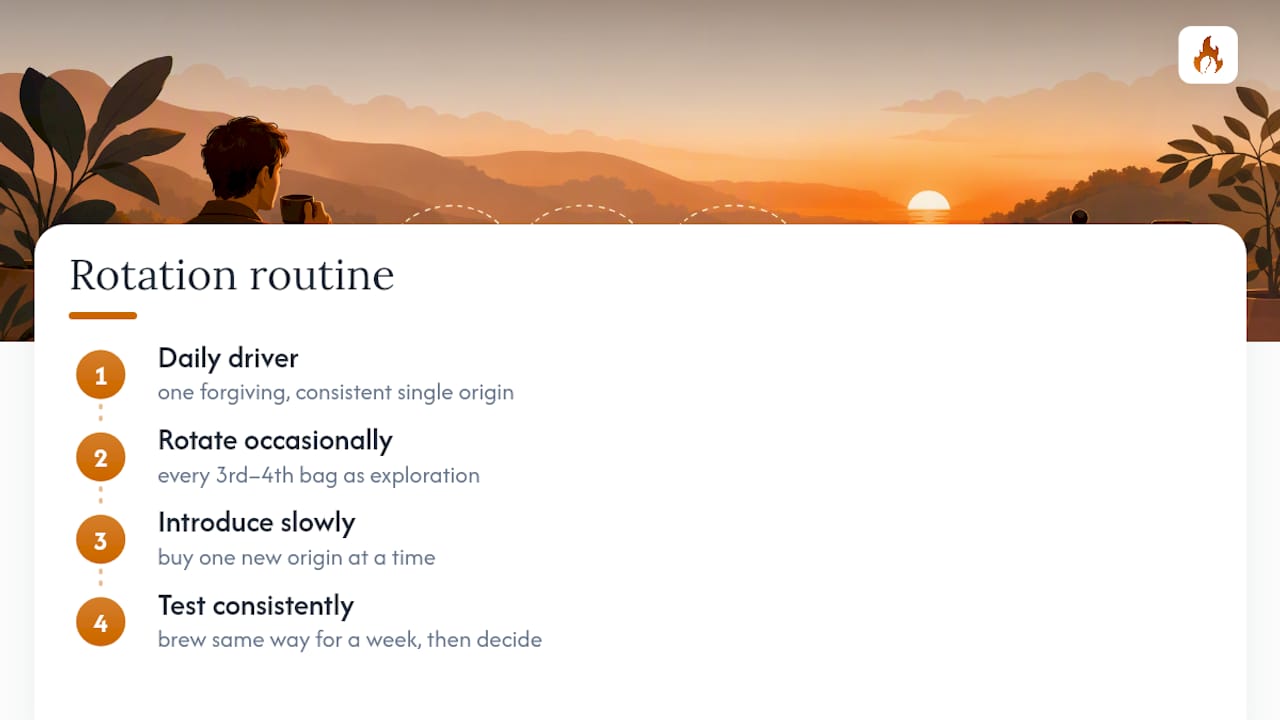
Rotating origins constantly sounds like the more sophisticated habit, but it’s often just an expensive way to avoid ever really knowing a coffee. You dial in a grind setting for a Kenyan natural, love it, then switch to an Ethiopian washed lot next week and start the calibration over from scratch. Most home brewers underestimate how much of “this coffee tastes amazing” is actually “I finally dialed in my brewer.”
A better routine: keep one reliable single origin as your daily driver, something forgiving and consistent, and rotate in a new origin every third or fourth bag as a deliberate exploration rather than a constant reset. That balances freshness, cost, and the mental energy required to actually taste what’s different. Build your rotation slowly. Buy one new origin at a time, brew it the same way for a week, and only then decide if it earns a permanent spot.
— Tony
Ready To Order Your First Bag Of Evening Roast?
Evening Roast is built for exactly the moment this guide has been walking toward: your first confident single-origin purchase, without needing to become a cupping expert first. It’s a medium roast that brews well as drip, pour-over, or French press, which makes it a low-risk way to start tasting origin character instead of just caffeine.
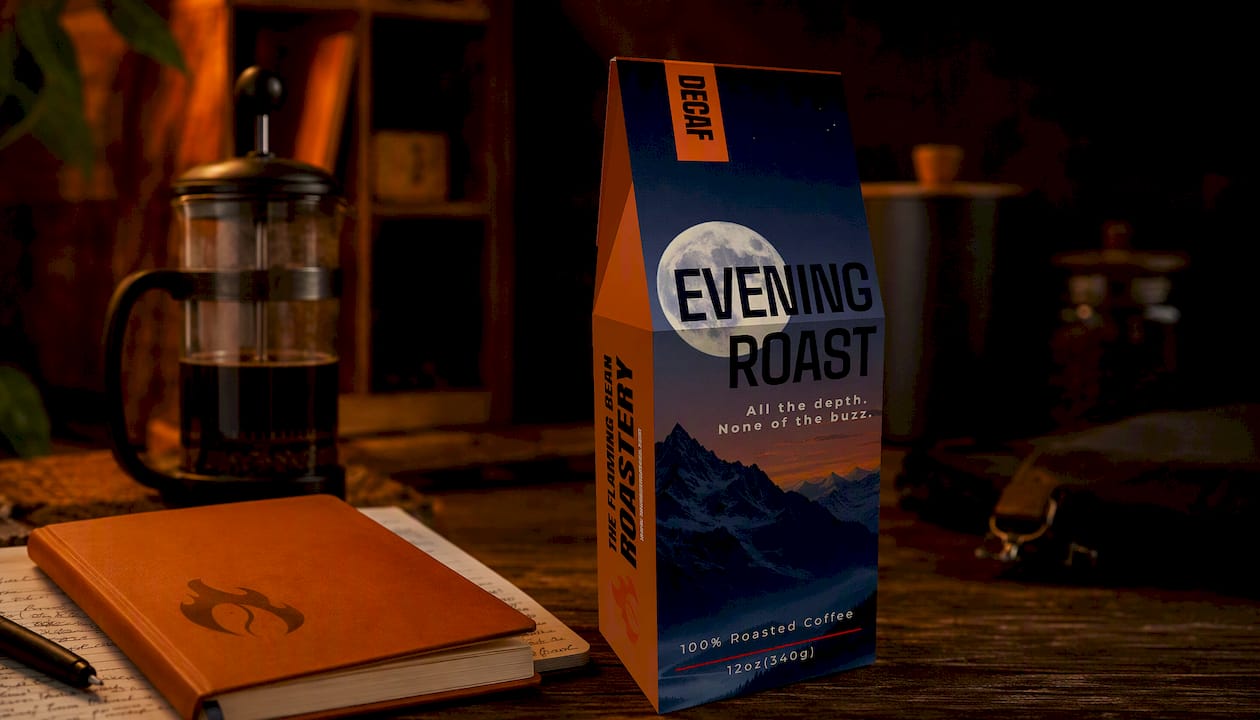
The Evening Roast product page lists both whole bean and ground formats, and you can set up a subscription so fresh bags arrive before your current one runs low. That solves the freshness problem this whole guide has been building toward. No more guessing how long a bag sat on a shelf before it reached your kitchen. If you’re ready to taste what a well-roasted single origin actually offers, order a bag of Evening Roast and build your rotation from there.
Sources
For deeper dives beyond this guide, explore coffee bean origins and flavor, Ethiopian regional flavor profiles, and matching roast level to your palate. For a wider industry view, Roastful’s annual roaster rankings offer a useful discovery starting point, though your own roast-date and origin checks still matter more than any list.
- Top 100 Specialty Coffee Roasters in 2024 — Roastful
Comments