
Bold Coffee Blends: 9 Examples Worth Brewing

Bold coffee blends are defined by their intense, full-bodied character, dark roast profiles, and rich flavor notes like dark chocolate, caramel, smokiness, and roasted nuts. These are the examples of bold coffee blends that adventurous coffee drinkers return to again and again. Whether you want a powerful morning cup or a deeply satisfying afternoon brew, knowing what separates a truly bold blend from a merely dark one changes everything about how you shop and brew. The Flaming Bean’s lineup, including Abyssal and Angry Rooster, shows exactly what bold done right looks like.
1. Examples of bold coffee blends worth trying in 2026
The best place to start is with blends that have earned real credibility for flavor, roast quality, and consistency. Premium bold blends share a core profile of dark chocolate, caramel, and nutty notes, with caffeine levels ranging from medium-high to very high. That range matters because not every bold cup needs to wire you to the ceiling.
- Blue Bottle Bold Dark Roast. Expect dark cacao, a hint of molasses, and a clean finish. This blend leans into bittersweet territory without tipping into harsh.
- Mayorga Muy Macho Organic. A Latin American blend with chocolate and fruit notes. It is organically sourced and roasted to a full dark profile that still carries brightness.
- Death Wish Valhalla Java. Built for maximum caffeine and raw intensity. The flavor runs purposely heavy and bitter, designed for drinkers who want power above all else.
- Peet’s Major Dickason’s Blend. One of the most recognized dark blends in American coffee culture. It delivers a complex, layered cup with cocoa, dried fruit, and a long finish.
- Copper Moon Sumatra Blend. Sumatra beans bring earthy, herbal notes alongside dark roast sweetness. This one suits drinkers who want something less conventional.
- Illy Intenso Dark Roast. Italian-style espresso roast with a velvety body and notes of cocoa and caramelized sugar. It pulls beautifully as espresso but works just as well in a French press.
- The Flaming Bean Abyssal. A dark, adventurous blend roasted to highlight deep, rich flavor with lasting resonance. It is built for enthusiasts who want intensity without sacrificing drinkability.
- The Flaming Bean Angry Rooster. A bold, full-bodied option with a strong character and a finish that lingers. It suits anyone who wants their morning cup to mean something.
Pro Tip: If you want to compare bold blends side by side, brew each one using the same method, grind size, and water temperature. Small variables skew your impression of the coffee itself.
2. How roast level and bean composition shape boldness
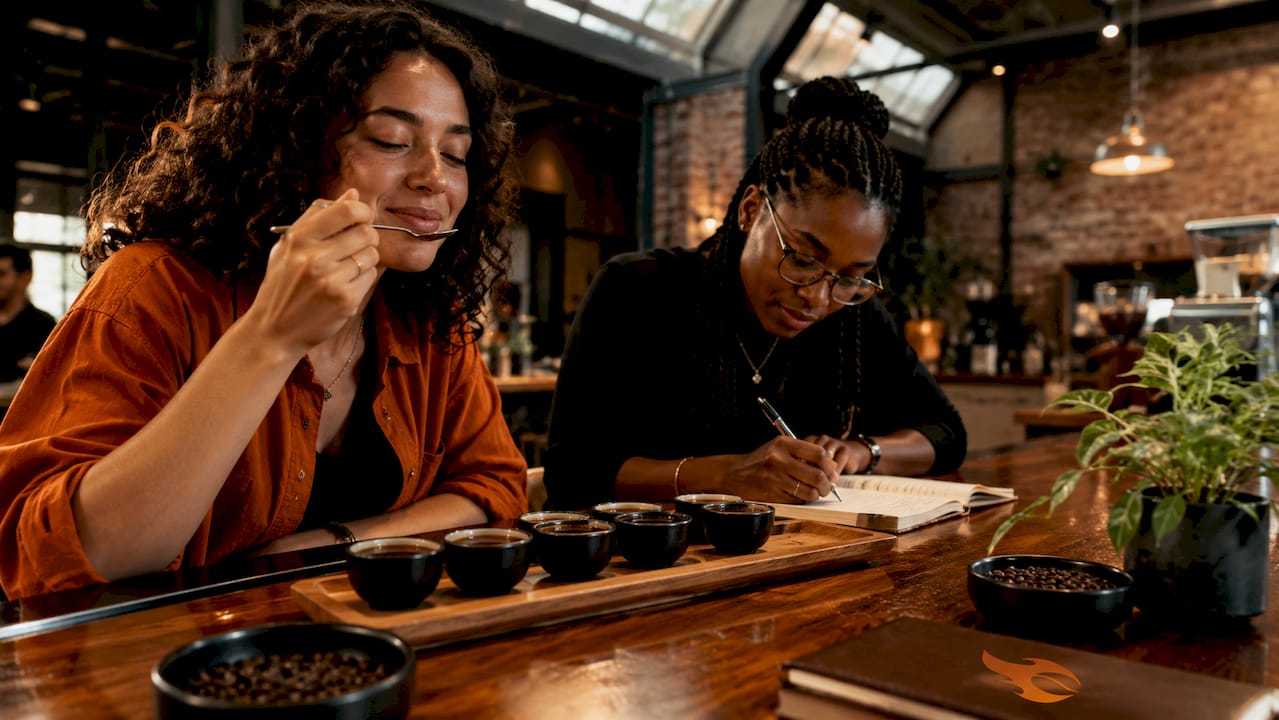
Roast level is the single biggest driver of a coffee’s bold character. Dark and espresso roasts develop the smoky, bittersweet, and caramelized notes that define strong coffee varieties. The longer a bean stays in the roaster, the more its original fruit and floral notes give way to roasty sweetness, cocoa, and body.
Bean composition plays an equally important role. Here is how the main variables break down:
- Arabica beans produce smoother, more complex bold cups. They carry natural sweetness and acidity that survive even aggressive roasting.
- Robusta beans add raw intensity and significantly higher caffeine. Blends that include Robusta tend to taste heavier and more bitter by design.
- Single-origin dark roasts reflect their growing region. Sumatra beans, for example, bring earthy and herbal notes that distinguish them from Latin American dark roasts, which lean toward chocolate and fruitiness.
- Blended dark roasts combine origins to balance intensity with complexity. Peet’s Major Dickason’s Blend is a textbook example of this approach.
- Espresso roasts sit at the darkest end of the spectrum. Typical dark roast notes include smoky, roasted nuts, cocoa, caramelized sugars, and sometimes cooked fruit or molasses.
One trade-off worth knowing: darker roasts produce oilier beans. Those oils coat grinder burrs and espresso machine components over time. Oil buildup from dark roasts can clog grinders and affect brew quality if you skip regular cleaning.
Pro Tip: If you brew dark roasts daily through an espresso machine, clean the group head and backflush weekly. Monthly deep cleans prevent the bitter, rancid taste that old coffee oils produce.
3. Brewing methods that bring out the best in bold blends
The brewing method you choose shapes how a bold blend actually tastes in the cup. Each method extracts differently, and the wrong choice can flatten a great coffee or amplify its worst qualities.
- French press is the most forgiving method for bold blends. The metal filter keeps the natural oils in the cup, which adds body and richness. Use a coarse grind and a four-minute steep for the fullest result.
- Espresso concentrates bold flavors into a short, intense shot. It suits blends with caramel and chocolate notes because pressure extraction amplifies sweetness alongside bitterness.
- Drip coffee makers work well for everyday bold brewing. A medium-coarse grind and a brew ratio of one gram of coffee per 15–17 grams of water keeps the cup strong without turning it harsh.
- Aeropress gives you control over pressure, temperature, and steep time. It produces a clean, concentrated cup that highlights the nuanced notes in high-quality bold blends.
One thing most coffee drinkers do not realize: the label “espresso roast” does not restrict how you brew the beans. Espresso roast beans have a darker roasting style but brew beautifully in a French press or drip machine. Do not let the label limit your options.
Pro Tip: For bold blends with oily beans, avoid blade grinders. Burr grinders produce a consistent particle size that extracts evenly and does not overheat the grounds, which preserves flavor.
4. What makes an adventurous coffee blend different from just dark
An adventurous coffee blend goes beyond simple darkness. It combines an unexpected origin, an unusual processing method, or a flavor profile that surprises even experienced drinkers. Unique coffee flavor profiles come from the intersection of where a bean grows, how it is processed, and how it is roasted.
Sumatra Mandheling, for example, is processed using a wet-hulling method called Giling Basah. That process produces the distinctively earthy, full-bodied character that sets Sumatran coffee apart from any other dark roast. Ethiopian dark roasts carry dried berry and wine notes even after heavy roasting, which makes them genuinely surprising in the cup. These are the qualities that define what an adventurous coffee blend actually is: flavor complexity that you did not expect from the roast level alone.
The Flaming Bean’s blends like Abyssal and Angry Rooster fit this category. They are not just dark. They are built around a specific flavor intention, which is what separates a thoughtfully crafted bold blend from a generic dark roast.
5. Common misconceptions about bold coffee
The biggest myth about bold coffee is that bold means bitter. True bold blends deliver weight, depth, and lasting resonance rather than a sharp, charred edge. Bitterness is a sign of over-roasting or poor extraction, not of genuine boldness.
“Bold coffee is not about punishment. It is about presence. A great bold blend coats your palate, lingers after you swallow, and leaves you thinking about the next sip. That is what separates a well-crafted dark roast from a burnt one.”
A few other misconceptions worth clearing up:
- Bold does not equal more caffeine. Darker roasts actually lose a small amount of caffeine during roasting compared to lighter roasts. Caffeine level depends more on bean variety and brew ratio than roast color.
- Dark roast does not mean low quality. Specialty roasters use dark profiles intentionally to highlight specific flavor characteristics, not to hide defects.
- Bold is not one-dimensional. The best bold coffee blends include chocolate, hazelnut, marshmallow, dark cacao, and molasses notes. That is a wide flavor range within a single roast category.
When choosing a bold blend, start with the flavor profile that appeals to you most. If you want chocolate and caramel, look for Latin American dark roasts. If you want earthy and herbal, go for Sumatra. If you want maximum intensity, look for blends that include Robusta. Understanding what bold coffee means in terms of flavor, not just darkness, makes every purchase more satisfying.
Key takeaways
Bold coffee blends deliver intense, full-bodied flavor through dark roasting and intentional bean selection, not through bitterness or burnt edges.
| Point | Details |
|---|---|
| Bold is not bitter | True bold blends offer depth and lasting flavor, not a harsh or charred finish. |
| Roast level drives character | Dark and espresso roasts develop chocolate, caramel, and smoky notes through extended roasting. |
| Bean composition matters | Robusta adds caffeine and intensity; Arabica adds smoothness and complexity to bold blends. |
| Brewing method shapes the cup | French press, espresso, drip, and Aeropress each extract bold flavors differently. |
| Adventurous blends go further | Unique origins and processing methods create flavor surprises beyond simple darkness. |
My take on bold coffee after years of brewing
Bold coffee is the category where most enthusiasts either fall in love with coffee all over again or give up on dark roasts entirely. I have seen both happen, and the difference almost always comes down to one thing: the quality of the roast, not the darkness of it.
I spent a long time chasing the darkest roast I could find, thinking that intensity meant quality. What I actually got was a lot of ashy, one-note cups that tasted like the roaster was covering something up. The shift happened when I tried a well-sourced dark blend that had actual flavor underneath the roast. Chocolate, a hint of dried fruit, a finish that lasted. That is when I understood what bold coffee is supposed to be.
My current approach is to treat roast level as a starting point, not a destination. I look for blends where the roaster has a clear flavor intention, not just a dark color target. The Flaming Bean’s signature blends reflect that philosophy. Abyssal and Angry Rooster are not dark for the sake of dark. They are built around a specific cup experience.
For anyone getting into bold blends in 2026, my advice is simple. Buy small quantities of two or three different blends. Brew them the same way. Taste them back to back. Your palate will tell you more in one session than any review can.
— Tony
Bold blends and brewing gear at The Flaming Bean
The Flaming Bean roasts every blend with a specific flavor outcome in mind, and that shows up clearly in the bold end of the lineup.
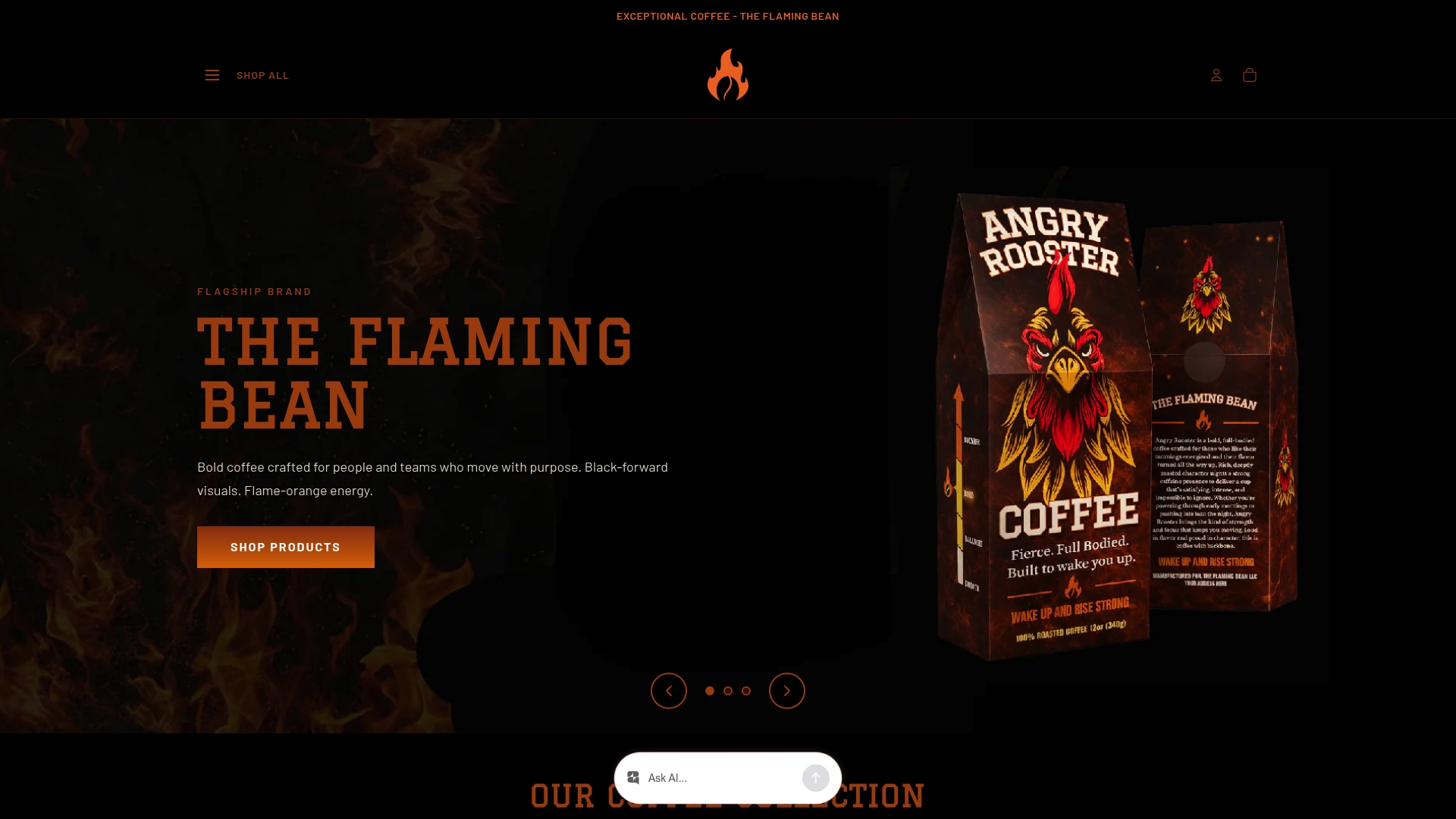
If you are ready to try something with real character, the bold coffee collection covers everything from approachable dark roasts to full-intensity blends like Abyssal and Angry Rooster. The Evening Roast is a great starting point if you want a rich, satisfying cup without maximum intensity. For the full range of crafted options, the signature blends collection is worth browsing. Pair your coffee with the right coffee grinders to get consistent extraction from oily dark roast beans every time.
FAQ
What are bold coffee blends?
Bold coffee blends are full-bodied, dark-roasted coffees with intense flavor profiles including dark chocolate, caramel, smokiness, and roasted nuts. They are defined by depth and lasting flavor, not bitterness.
Does bold coffee have more caffeine?
Not necessarily. Darker roasts lose a small amount of caffeine during roasting, so caffeine level depends more on bean variety and brew ratio than roast darkness. Blends that include Robusta beans tend to have higher caffeine regardless of roast level.
What is the best brewing method for bold coffee?
French press and espresso are the top choices for bold blends. French press preserves the natural oils that add body, while espresso concentrates and amplifies the chocolate and caramel notes that define most rich coffee blends.
Is espresso roast only for espresso machines?
No. Espresso roast beans refer to a darker roasting style, not a brewing restriction. These beans produce excellent results in a French press, drip machine, or Aeropress.
How do I choose between bold coffee blends?
Start with the flavor profile you want. Latin American dark roasts deliver chocolate and caramel. Sumatran blends bring earthy, herbal notes. Blends with Robusta offer maximum intensity. Matching the origin and roast style to your taste preferences is the fastest way to find your go-to bold blend.
Comments