
From $20 to $80: U.S. Coffee Subscription Costs, Plus The Flaming Bean

Expect to pay about $14 to $26 per 12-ounce bag on a coffee subscription, which usually adds up to $20 to $90 a month depending on how often bags ship and how much you drink. Subscriptions often beat retail prices once you factor in per-bag discounts and free shipping, but that’s not automatic. We’ll walk through real bag sizes, delivery schedules, and monthly math below so you can see exactly where your money goes.
TL;DR:
- Coffee subscription costs generally range from $14 to $26 per 12-ounce bag, with heavier drinkers paying up to $80 monthly depending on frequency and quantity.
- Price variations are primarily driven by bag size, origin, and processing method, with premium tiers costing $29 or more for limited-lot or specialty beans.
- Shipping fees and delivery frequency significantly impact total monthly costs, requiring careful calculation of price per ounce delivered.
- Flexibility features like pausing, skipping, or changing delivery schedules add essential value that can offset slightly higher base prices.
- Comparing true costs involves factoring in shipping, roast freshness, and actual consumption to avoid overpaying due to misaligned plans or hidden fees.
Table of Contents
- How Much Does a Coffee Subscription Cost Per Bag?
- How Much Coffee Subscription Costs by Weekly Drinking Habits
- What Makes One Coffee Subscription Pricier Than Another?
- Which Coffee Subscription Model Fits Your Budget?
- How Do You Know If a Coffee Subscription Is a Good Deal?
- How The Flaming Bean Prices Its Coffee Subscription
- Do Higher Subscription Tiers Actually Cost More For a Reason?
- What Hidden Fees Should You Watch For in a Coffee Subscription?
- Which Coffee Subscriptions Give You the Best Value?
- Does Coffee Subscription Pricing Change By Region?
- Is a Subscription Cheaper Than Buying From a Coffee Shop?
- The Real Question Isn’t Price, It’s Waste
- How to Start a Coffee Subscription With The Flaming Bean
- Sources
How Much Does a Coffee Subscription Cost Per Bag?
Bag size drives price more than almost anything else, and most services split their lineup into three tiers: sampler or mini bags, the standard 12-ounce bag, and 2-pound bulk options for heavier drinkers.
The 12-ounce bag is the workhorse of the industry. Most quality specialty roasters price it between roughly $14 and $26, with single-origin lots or rare processing methods sometimes pushing past that. Personalized matching services often start closer to $17 a bag, which sits right in the middle of that band. On the lower end, sampler-style boxes let you try smaller portions for less commitment. Editorial roundups have found sampler pricing starting around $14 a month, while full 12-ounce single-origin bags commonly land in the $18 to $30 range once you account for premium sourcing.
Here’s how the sizing typically breaks down:
- Sampler or mini bags (4 to 6 oz): Roughly $14 to $20 per shipment, often used as trial or discovery boxes.
- Standard 12-oz bag: $14 to $26 for most specialty roasters, higher for rare single-origin lots.
- 2-lb bulk bags: Usually priced to undercut the per-ounce cost of buying two or three separate 12-ounce bags, popular with households or office coffee stations.
- Specialty premium tiers: Can run $29 or more per bag for limited-lot or competition-grade coffee.
The typical price spread: Editorial price tables list real-world examples ranging from $15.75 for an 10.9-ounce bag to $29.50 for a 10.58-ounce premium bag, which shows just how much bag size and quality tier can swing the sticker price even within a single service.
Delivery frequency changes the math just as much as bag size. A subscription billed less frequently costs less per month, though the per-cup cost remains consistent if the coffee quantity consumed is the same. What actually shifts your monthly total is choosing a cadence that matches your drinking habits, not the sticker price on the checkout page.
Shipping and prepay structure are where a lot of subscribers get surprised. Some roasters build shipping into the bag price and advertise free delivery above a certain order size or after a subscriber discount kicks in. Others charge shipping per bag, and Serious Eats found that a $5 shipping charge on top of an already low per-bag price can flip a “cheap” subscription into one of the pricier options once you look at total cost. Prepaid plans often provide a per-bag discount and free shipping throughout their term. That’s worth doing the math on if you already know you’ll stick with a roaster.
Pro Tip: Before comparing any two subscriptions, add shipping into the bag price and divide by the ounces you’re getting. That single number, price per ounce delivered, cuts through marketing and tells you the real cost instantly.
How Much Coffee Subscription Costs by Weekly Drinking Habits
Bag price alone doesn’t tell you what you’ll actually spend each month. That depends on how much coffee you drink, which bag size you choose, and how often the roaster ships to you. Here are three scenarios that cover most households.
-
Light drinker, one 12-oz bag every four weeks. At $20 to $24 per bag including shipping, that’s roughly $20 to $24 a month. A 12-ounce bag makes about 20 to 24 cups depending on your brew ratio, putting cost per cup around $0.85 to $1.20. This matches the low end of what Bon Appétit found in its own monthly breakdowns, where a once-a-month 12-ounce plan runs roughly $20 to $24.
-
Average drinker, one 12-oz bag every two weeks. Two bags a month at $18 each (a common midrange price once subscriber discounts apply) brings you to about $36 a month before shipping, or closer to $40 with a modest delivery fee factored in. Cost per cup lands around $0.85 to $1.00, assuming 40 to 48 cups total from two bags. This cadence is the most common among specialty subscribers because it balances freshness against cost.
-
Heavy drinker, one 12-oz bag every week (or a 2-lb bulk swap). Weekly 12-ounce shipments run about $80 a month at a $20 per-bag rate, which is the highest end of the normal monthly spread. Switching to a 2-pound bulk bag every three to four weeks often brings the same volume down closer to $55 to $65 a month, since bulk pricing typically runs cheaper per ounce than four separate 12-ounce purchases. Cost per cup for heavy drinkers on the bulk plan usually settles between $0.75 and $0.95.
Free-shipping thresholds and first-box promotions can shave meaningful money off any of these scenarios, especially in month one. A lot of roasters discount the introductory shipment or waive shipping entirely on the first order to get you to try the coffee. That’s a real discount, but don’t let it anchor your expectations. Calculate your ongoing monthly cost using the standard renewal price, not the promo price, or you’ll be surprised at month two.
Statistic to remember: the monthly spread across common drinking habits runs from about $20 on the light end to $80 on the heavy end for standard 12-ounce subscriptions, a four-fold difference driven entirely by delivery frequency rather than the quality of the coffee itself.
What Makes One Coffee Subscription Pricier Than Another?
Price differences between roasters rarely come down to random markup. A handful of specific factors explain almost every dollar of the gap.
Origin and processing method matter more than most drinkers expect. A washed Colombian blend and a rare, small-lot Panama Geisha can come from the same size farm and cost wildly different amounts, because rarity and labor-intensive processing (like extended fermentation or honey processing) drive up what roasters pay at origin. Blends, by contrast, let roasters combine cheaper and pricier lots to hit a target price point, which is part of why blends usually undercut single-origin coffee on subscription menus.
Packaging and roast-date transparency add small but real costs. Bags with one-way valves, nitrogen flushing, or resealable zippers cost the roaster more to source than a basic bag, and that shows up somewhere in your price. Roasters who print an actual roast date rather than a vague “best by” window are usually running tighter fulfillment operations, which tends to correlate with fresher coffee, though it isn’t a guarantee on its own. Shipping beans within a day or two of roasting is one of the clearest ways a subscription beats supermarket coffee, which can sit on shelves for months before you buy it.
Grind and add-on options frequently carry a small surcharge or none at all, depending on the roaster. Requesting a specific grind (drip, French press, espresso) is usually free, but gift packaging, branded merchandise, or pod-format options often add a few dollars per order.
- Whole bean is almost always the cheapest option and the freshest, since coffee loses aroma compounds fast once ground.
- Custom grind settings rarely cost extra but can slow down shipping by a day.
- Gift boxes, cards, or seasonal packaging typically add $3 to $8 per order.
- Espresso pod or capsule formats often cost more per ounce than whole bean, since the packaging itself is more expensive to produce.
Subscription flexibility is the one category where you’re paying for convenience rather than coffee. Plans that let you pause, skip a delivery, or swap roasts on the fly don’t usually cost more upfront, but they carry real value if your habits change seasonally. A rigid plan that locks you into a fixed schedule with no skip option can end up costing you more in wasted, stale coffee than a slightly pricier flexible plan ever would.
Pro Tip: If a subscription doesn’t let you skip a shipment without calling customer service, treat that as a hidden cost. Wasted bags from over-ordering add up faster than a $2 price difference between roasters.
Which Coffee Subscription Model Fits Your Budget?
Not every subscription works the same way, and the model you pick affects both price and how much you’ll actually enjoy the coffee showing up at your door.
Curated multi-roaster clubs rotate coffee from different independent roasters each shipment. You’re paying partly for the discovery experience, and prices reflect that, often landing in the $18 to $30 range per bag since you’re getting boutique-sourced coffee without committing to one roaster long-term.
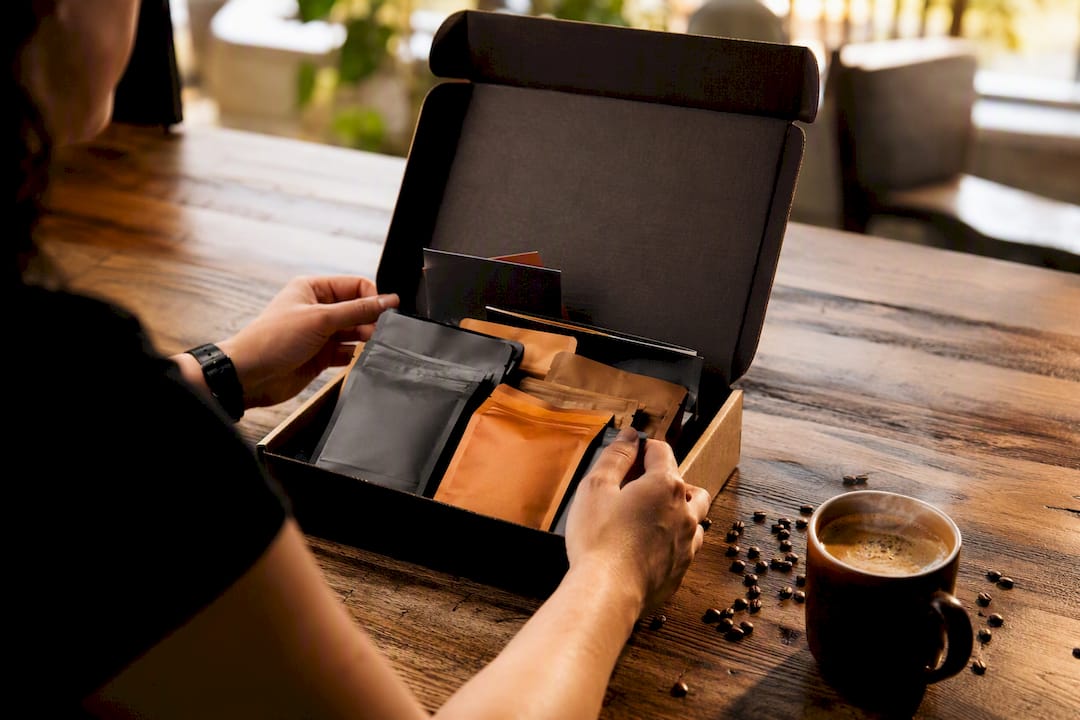
Single-roaster subscriptions stick with one company’s lineup, letting you settle into a favorite blend or rotate through a smaller, curated menu. These tend to be the most budget-friendly option per bag because the roaster isn’t paying markup to source from other companies, and consistent subscribers often unlock loyalty discounts over time.
Sampler boxes are the low-commitment entry point, usually smaller bags at a lower total price, built for people still figuring out their roast preferences. Expect to pay less per shipment but more per ounce, since you’re buying convenience and variety rather than volume.
Prepaid plans (three, six, or twelve months paid upfront) usually unlock the best per-bag pricing and guaranteed free shipping, but they lock your money in and often make it harder to pause or cancel without forfeiting the discount.
Here’s the trade-off in plain terms:
- Want variety and discovery? Multi-roaster clubs cost more per bag but expand your palate fastest.
- Want the lowest steady price? A single-roaster subscription with a loyalty discount usually wins.
- Want to test before committing? Sampler boxes minimize risk at a slightly higher per-ounce cost.
- Want to lock in the cheapest long-term rate? Prepaid plans deliver savings if you’re confident you’ll stick around.
How Do You Know If a Coffee Subscription Is a Good Deal?
Comparing subscriptions side by side gets confusing fast when every roaster prices bags, shipping, and discounts differently. A short evaluation process cuts through that noise.
- Calculate your true monthly cost. Add the bag price, shipping fee, and any recurring charges together, then divide by how many cups that bag actually makes. Ignore the sticker price on the landing page until you’ve done this math.
- Read the shipping and cancellation policy before you subscribe. Look specifically for whether shipping is free above a certain spend, charged per bag, or waived only during a prepaid term. Wirecutter’s testing found that subscriber discounts and free-shipping thresholds can be the deciding factor between two otherwise similar services.
- Check the roast-date policy. A roaster that states an actual roast date on the bag, and ships within a day or two of roasting, is giving you real, measurable value that supermarket coffee can’t match.
- Start with a trial or first box before committing long-term. Most services offer an introductory discount specifically so you can test flavor and freshness at a lower price point.
- Confirm pause and skip flexibility before you prepay. A subscription that locks your money into a rigid schedule can cost you more in wasted coffee than a slightly higher month-to-month plan.
Red flags worth walking away from: subscriptions that hide the per-bag price until checkout, plans that require phone calls to cancel instead of a self-service option, and roasters that print only a “best by” date with no roast date at all.
Pro Tip: Use the first-box discount as a real test, not just a cheap trial. Order your usual grind and brew it the same way you always do. If the coffee tastes stale by day ten, that roaster’s fulfillment speed is a problem, not your palate.
How The Flaming Bean Prices Its Coffee Subscription
The Flaming Bean built its subscription around the same principles this article has walked through: transparent per-bag pricing, real roast dates, and flexibility that doesn’t punish you for changing your habits. The lineup spans bold, high-energy blends like Abyssal for drinkers who want intensity, alongside smoother, more approachable options like Evening Roast for a mellower cup. Mission-driven blends such as Safe Ground and Mission Fuel route a portion of proceeds to nonprofit partners, so your subscription dollars do more than fill your mug.
Here’s how the structure holds up against the checklist above:
- Roast-date transparency: Every bag ships close to its roast date rather than sitting in a warehouse for weeks.
- Flexible cadence: Subscribers choose delivery frequency and can pause or skip without a customer-service call.
- Grind and format choices: Whole bean or ground, tailored to how you actually brew.
- No lock-in penalty: Cancelling doesn’t forfeit a prepaid discount the way some rigid annual plans do.
The takeaway: a subscription only earns its price when freshness, flexibility, and transparency show up together, not just a low number on the checkout page.
Do Higher Subscription Tiers Actually Cost More For a Reason?
Membership tiers usually correlate with either coffee rarity or service perks, not arbitrary upcharges. Entry tiers typically feature standard blends and single-origin lots sourced at scale, keeping per-bag prices in that familiar $14 to $20 window. Mid tiers often swap in rotating single-origin selections or seasonal microlots, which explains price jumps into the $22 to $28 range even from the same roaster.
Premium or “reserve” tiers usually unlock the rarest, most limited-availability coffee, competition-grade lots or unusual processing methods that a roaster can only source in small quantities. These tiers can run $30 or more per bag, and that premium is generally tied to actual scarcity rather than marketing.
Some roasters also gate perks behind tier level, like free shipping only above a certain tier, priority access to limited drops, or bundled merchandise. Those perks have real value if you’d buy them separately anyway, but they’re worth ignoring if you’re purely optimizing for the cheapest cup. The smartest move is matching tier to what you’ll actually drink and use, not chasing the highest tier because it sounds premium. A $30 competition-grade bag brewed the same way you’d brew a $16 blend won’t taste $14 better to most palates.
What Hidden Fees Should You Watch For in a Coffee Subscription?
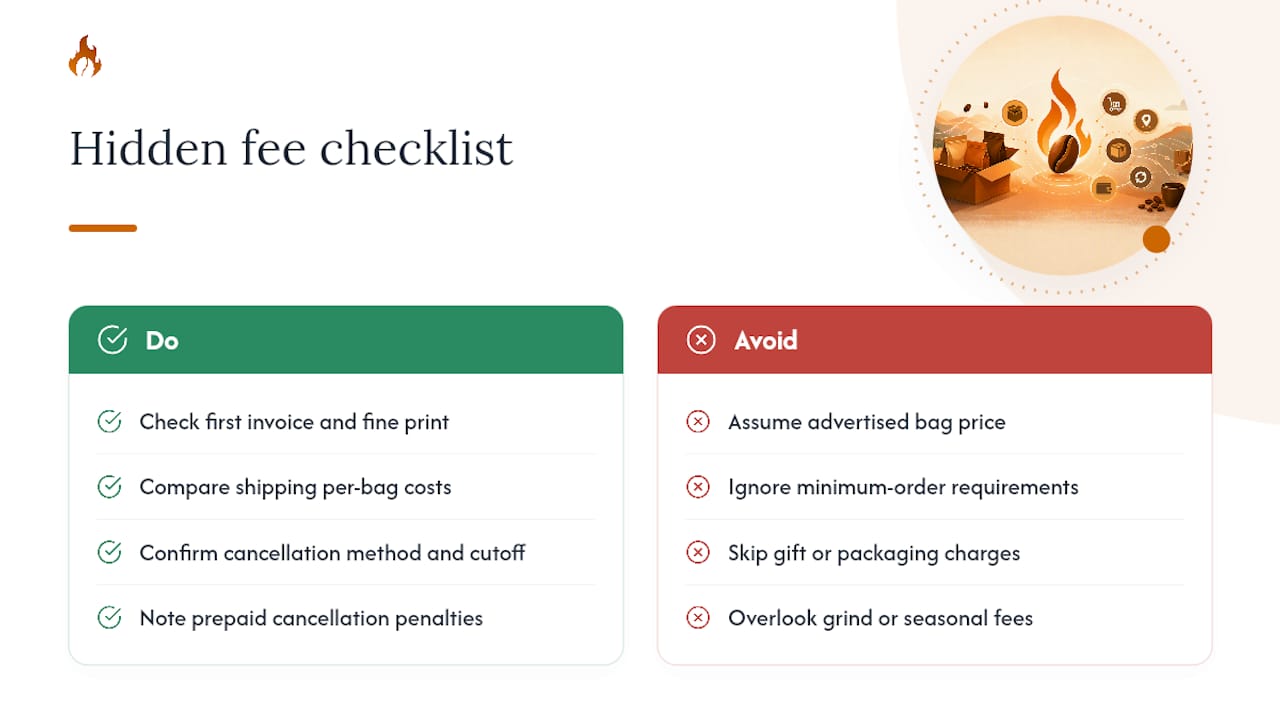
The advertised bag price rarely tells the whole story. Shipping is the most common add-on, and as noted earlier, per-bag shipping charges around $5, or smaller fees near $2 on single-bag orders, can meaningfully change your real cost per bag.
Grind fees are less common but do exist on some platforms, particularly for espresso-specific grinds that require extra equipment cleaning between orders. Gift packaging, seasonal boxes, or bundled merchandise typically add a flat charge per order rather than folding into the subscription price.
Cancellation friction is a hidden cost in time and money rather than dollars charged. Plans that require a phone call or email exchange to cancel, rather than a self-service toggle, cost you convenience and sometimes an extra billing cycle if you miss the cutoff window. Prepaid plans carry their own hidden cost: if you cancel early, you often forfeit the discount you locked in, effectively paying full retail price retroactively for the bags you already received.
Currency or minimum-order requirements can also sneak in. Some plans require a minimum two-bag order to qualify for free shipping, which inflates your monthly spend even when the per-bag price looks attractive on its own. Always read the fine print on your first invoice, not just the marketing page, before assuming you know your total monthly cost.
Which Coffee Subscriptions Give You the Best Value?
Cost-effectiveness comes down to price per ounce delivered, adjusted for shipping and any subscriber discount, rather than the sticker price on a bag. A $26 bag with free shipping and a fresh roast date can easily beat an $18 bag that charges $6 shipping and ships from inventory roasted weeks earlier.
Personalized matching services that start around $17 a bag tend to perform well on value because the quiz-based matching reduces the chance you’ll dislike a shipment and let it go stale unused, effectively protecting your investment even if the raw price sits in the middle of the market. Single-roaster subscriptions with loyalty pricing often edge out multi-roaster clubs on pure cost per cup, since you’re not paying a discovery premium every month.
The clearest way to compare across providers is building a simple price-per-ounce number for each one: total monthly charge, shipping included, divided by total ounces received. Roasters that advertise a low bag price but tack on shipping frequently lose that comparison to a slightly higher bag price with shipping built in. Free-shipping thresholds and small subscriber discounts, the kind Wirecutter flagged as meaningful value factors, are usually the deciding line between two subscriptions that look similar on paper.
Does Coffee Subscription Pricing Change By Region?
Shipping distance and regional logistics do shift subscription economics, even within the same country. Drinkers on the East and West coasts near major roasting hubs often get faster, cheaper shipping than those in more remote areas, simply because carrier zones and transit time affect shipping cost tiers.
Urban areas with dense delivery networks tend to see fewer shipping surcharges and faster fulfillment, which indirectly improves freshness on arrival. Rural or more remote zip codes sometimes face longer transit windows or higher shipping brackets, which can add a few extra dollars per shipment even when the bag price itself is identical nationwide.
Cost of living in your region doesn’t directly change subscription pricing the way it changes rent or wages, since most roasters set one national price. But local specialty coffee shop prices vary significantly by region, and that comparison point (subscription versus local cafe pricing) shifts depending on where you live. In markets with a high concentration of specialty cafes and higher local prices, a subscription tends to look like the better deal by comparison. In areas with fewer specialty options nearby, the subscription might be your only realistic access to quality beans at all, which changes the value calculation entirely.
Is a Subscription Cheaper Than Buying From a Coffee Shop?
The math here isn’t close. A basic drip coffee at a coffee shop runs $3 to $5, and a latte often costs $5 to $7 depending on your market. Drinking even one shop-bought coffee a day adds up to roughly $90 to $150 a month, well above the $20 to $80 range most subscriptions land in for home brewing.
The catch is convenience and experience. A cafe gives you a made drink, a place to sit, and zero brewing effort. A subscription gives you raw beans you still need to grind and brew yourself, which requires basic equipment (a grinder, a brewer) as an upfront cost if you don’t already own one. That equipment pays for itself within a month or two for anyone drinking coffee daily, but it’s a real barrier for someone just testing the waters.
For most regular drinkers, brewing at home from a subscription is the clear financial winner, often saving $50 to $100 a month compared to daily cafe visits, while still delivering fresh, specialty-grade coffee. The cafe still wins on occasions when you want the experience itself, the seating, the barista conversation, the change of scenery, rather than just the caffeine. Treating a subscription as your everyday coffee and the cafe as an occasional treat is usually the smartest way to balance both.
The Real Question Isn’t Price, It’s Waste
Most articles about coffee subscription cost focus entirely on the sticker price per bag, and that’s the wrong starting point. The number that actually determines whether you’re getting a good deal is how much of that bag you drink before it goes stale, and how much you’re paying for coffee you end up tossing because a plan locked you into a schedule that didn’t match your life.
Conventional advice tells you to chase the lowest per-bag price. Better advice is to calculate cost per cup you actually finish, factoring in pause and skip flexibility as real financial value, not just a nice-to-have. A $22 bag you drink completely beats an $18 bag where a third goes stale because your subscription couldn’t flex around a light week.
Start by tracking your actual weekly consumption for two weeks before choosing a cadence. Most people overestimate how much they drink and end up over-subscribed. Match the plan to reality, not aspiration, and the rest of the cost equation falls into place.
— Tony
How to Start a Coffee Subscription With The Flaming Bean
The Flaming Bean makes the whole process simple: pick a roast, choose your cadence, and skip whenever your week gets thrown off, no phone calls required.
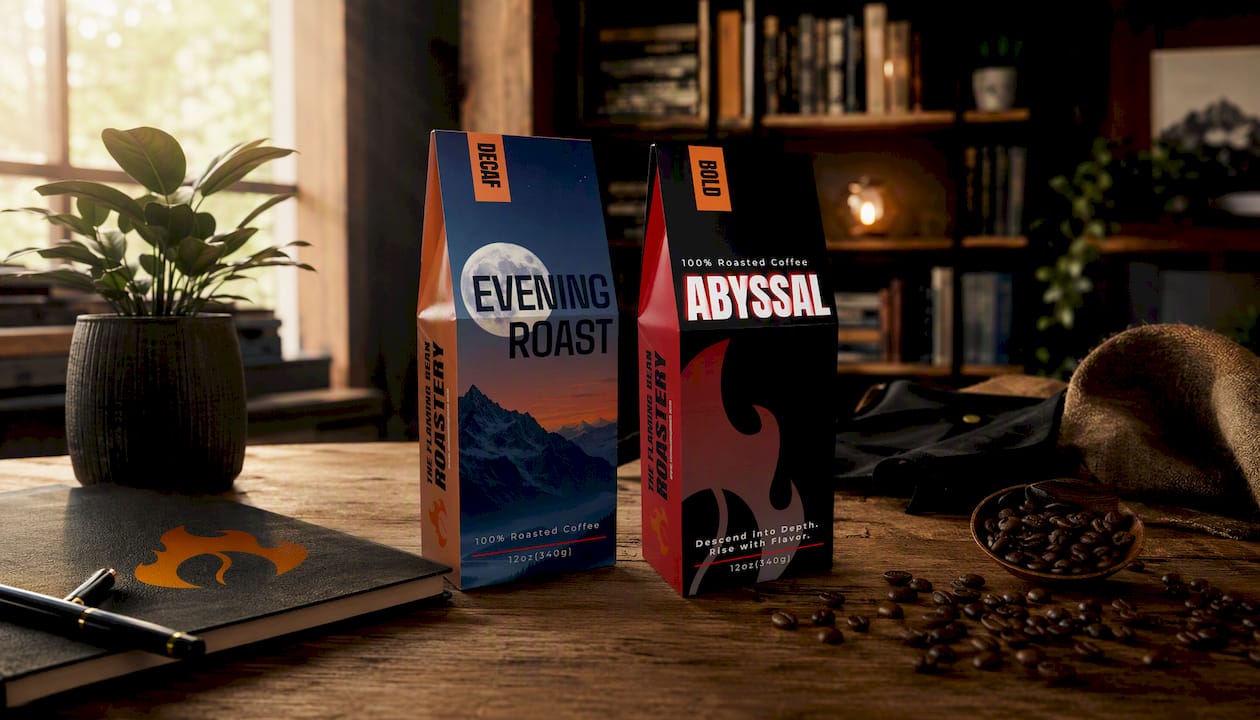
Every subscription starts with choosing between blends built for different moments in your day. If you want a rich, comforting cup to wind down with, Evening Roast is built for exactly that. If you want something bolder to fuel a demanding morning, Abyssal delivers the intensity. From there, you set your delivery frequency, whole bean or ground, and you’re set. Every bag ships close to its actual roast date, so you’re never brewing coffee that’s been sitting in a warehouse for weeks. Need to pause during a slow week or skip a shipment while you’re traveling? You control that yourself, no forfeited discount, no awkward customer-service call.
Head to The Flaming Bean’s subscription page to pick your roast and set your cadence today.
Sources
The price ranges and monthly scenarios in this article draw from editorial testing and price tables published by outlets that regularly review subscription coffee services.
- 12 Best Coffee Subscriptions, Reviewed & Reordered (2026) | Bon Appétit
- The 4 Best Coffee Subscriptions 2026, Tested & Reviewed | Serious Eats
- Trade Coffee | Personalized Coffee Subscription, Matched to Your Taste
- Best Coffee Subscription Services in 2026 | MasteringCoffee
- Our Favorite Coffee Subscriptions | Reviews by Wirecutter
Comments