
The Flaming Bean: 3 Coffees That Actually Fund Named Causes

The Flaming Bean’s purpose-driven blends, Evening Roast, Safe Ground, and Abyssal, are ready choices if you want great coffee that also funds a real cause. Most coffee that gives back works one of two ways: a percentage of each sale goes to a named partner, or the company itself functions as a social enterprise that funds jobs and programs directly. The rest of this guide shows you how to check whether any brand’s giving claim holds up, and where to buy these three blends today.
TL;DR:
- The Flaming Bean donates a fixed percentage or amount per sale, with all blends supporting transparent, named partner organizations with impact reports.
- Their subscription plans provide recurring donations, ensuring steady funding for causes such as community safety and environmental projects.
- Impact transparency is tested through verified partner links, reported figures, and ongoing programs, not vague claims or seasonal campaigns.
- Most brands focus on one cause category like reforestation, water access, or community employment, which tend to produce more consistent outcomes.
- Advocates should check for specific donation details, impact data, partner verification, and whether the program is ongoing before trusting a brand’s giving claim.
Table of Contents
- What makes these purpose-driven blends worth trying
- How do you know if a coffee brand’s giving claim is real?
- How donation models actually differ
- What kind of impact does purpose-driven coffee actually produce?
- Where did coffee that gives back come from?
- What causes do these coffee brands typically support?
- What do you get beyond the donation itself?
- Why community impact shapes every blend we roast
- Ready to try coffee that actually funds something?
- Sources
What makes these purpose-driven blends worth trying
Each of these three blends earns its place for a different reason: how it tastes, who it fits, and what buying it actually funds.
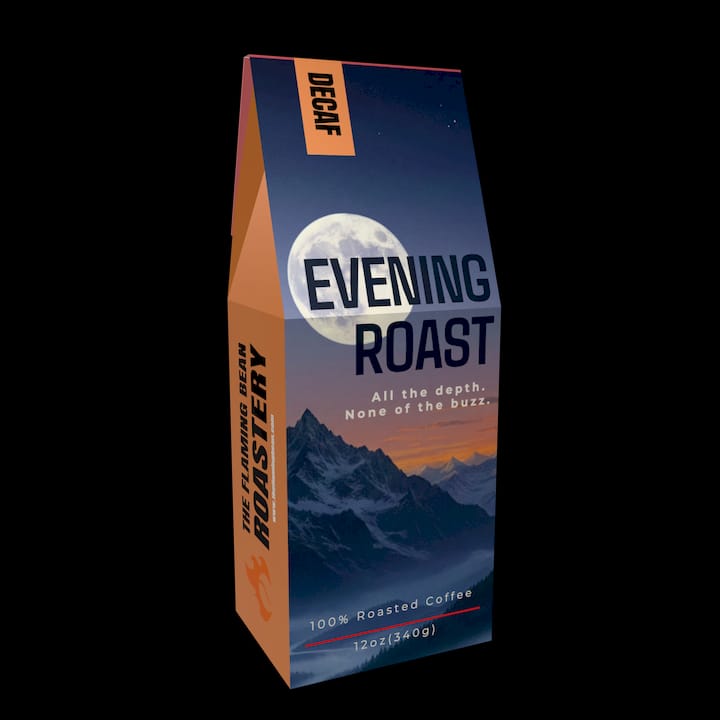
Evening Roast is built for the slower part of your day. It leans smooth and low-acid, roasted to avoid the sharp edges that make some afternoon cups feel like a mistake at 8 p.m. It’s the blend to reach for after dinner, paired with dessert, or during a wind-down conversation that doesn’t need caffeine urgency behind it. A portion of proceeds from Evening Roast supports The Flaming Bean’s mission partners, and it comes in both whole bean and ground formats, with a subscription option that locks in a discount for repeat orders.
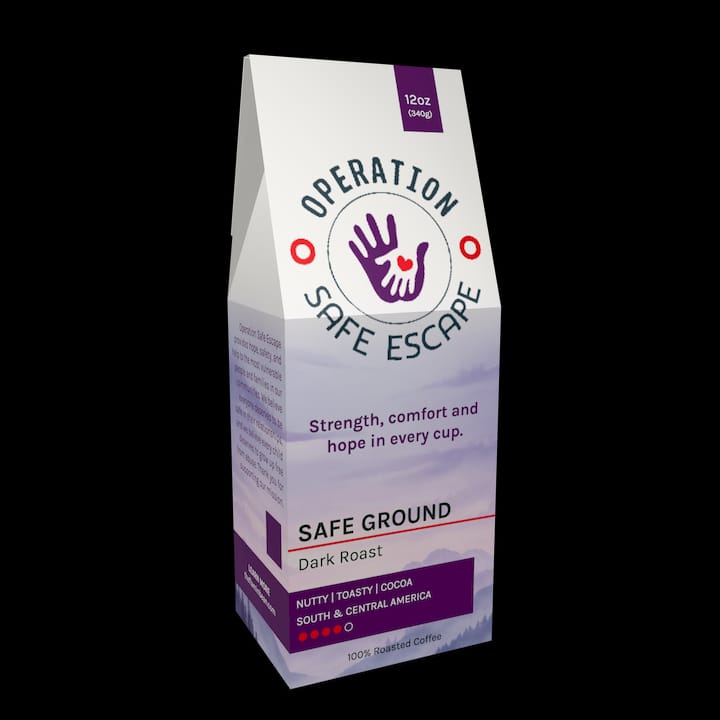
Safe Ground carries the most direct cause connection of the three. This blend supports organizations working to protect vulnerable individuals and strengthen community safety, the kind of work that rarely gets consumer-facing attention but depends heavily on consistent funding. Flavor-wise, it’s balanced and approachable, built so the cause doesn’t require you to sacrifice your morning routine to support it. You can find full details and purchase options on the Safe Ground product page.
Abyssal is the bold option. Deep, intense, roasted for drinkers who want their coffee to announce itself. It’s the blend for people who treat their morning cup as fuel, not garnish, and proceeds from Abyssal go toward supporting partner organizations tied to the brand’s broader mission work.
Here’s what buying practicalities look like across all three:
- All three ship as whole bean or ground, so your grinder setup doesn’t limit your choice.
- Subscriptions apply a standing discount and remove the “did I run out” problem entirely.
- Bag sizes are listed directly on each product page, along with current partner information.
- One-time purchases work fine if you’re sampling before committing to a subscription.
Pro Tip: If you’re buying coffee that gives back as a gift, pair it with a short note on what the blend supports. The cause context is often what makes the gift memorable, not just the roast.
How do you know if a coffee brand’s giving claim is real?
Plenty of brands slap “gives back” on a bag without saying what that means in practice. Before you trust a claim, run it through this checklist.
- Find the percentage or dollar amount. A credible brand states whether it donates a percent of proceeds, a fixed amount per bag, or a share of profit, and profit margins vary enough that “percent of profit” can mean very little.
- Look for a named partner. “Supports local causes” tells you nothing. A real program names the nonprofit, links to it, and lets you verify the relationship yourself.
- Check for impact reporting. Does the brand publish numbers, hours funded, dollars raised, projects completed, or does it just repeat the mission statement every year?
- Ask if the program is ongoing or seasonal. A holiday campaign that runs once and disappears is different from a standing commitment baked into the business model.
- See if the company employs the people it claims to help. Social enterprises that hire and train people directly tend to produce more durable outcomes than a one-time check.
Vague language is the biggest red flag. If a brand’s entire pitch is “we support charities” with no partner named and no numbers attached, treat that as marketing copy, not evidence.
One social-enterprise café model showed what durable impact looks like in practice: over 130 young people completed roughly 22,000 paid internship hours through coffee-shop employment programs. That’s the kind of measurable, recurring outcome a percent-of-sale pledge rarely produces on its own.
Before checkout, it’s worth scanning the product page or FAQ for these same details. If you can’t find a partner name or an impact figure in under a minute, the giving claim probably isn’t backed by much.
How donation models actually differ
Not all “coffee that gives back” works the same way, and the mechanics matter more than the marketing copy suggests.
Donation-per-sale is the most common model. A brand pledges a percent of proceeds, say 5% or 10%, or a fixed dollar amount per bag sold. It’s easy to understand but harder to verify, since “percent of proceeds” and “percent of profit” produce wildly different totals, and few brands publish the underlying math.
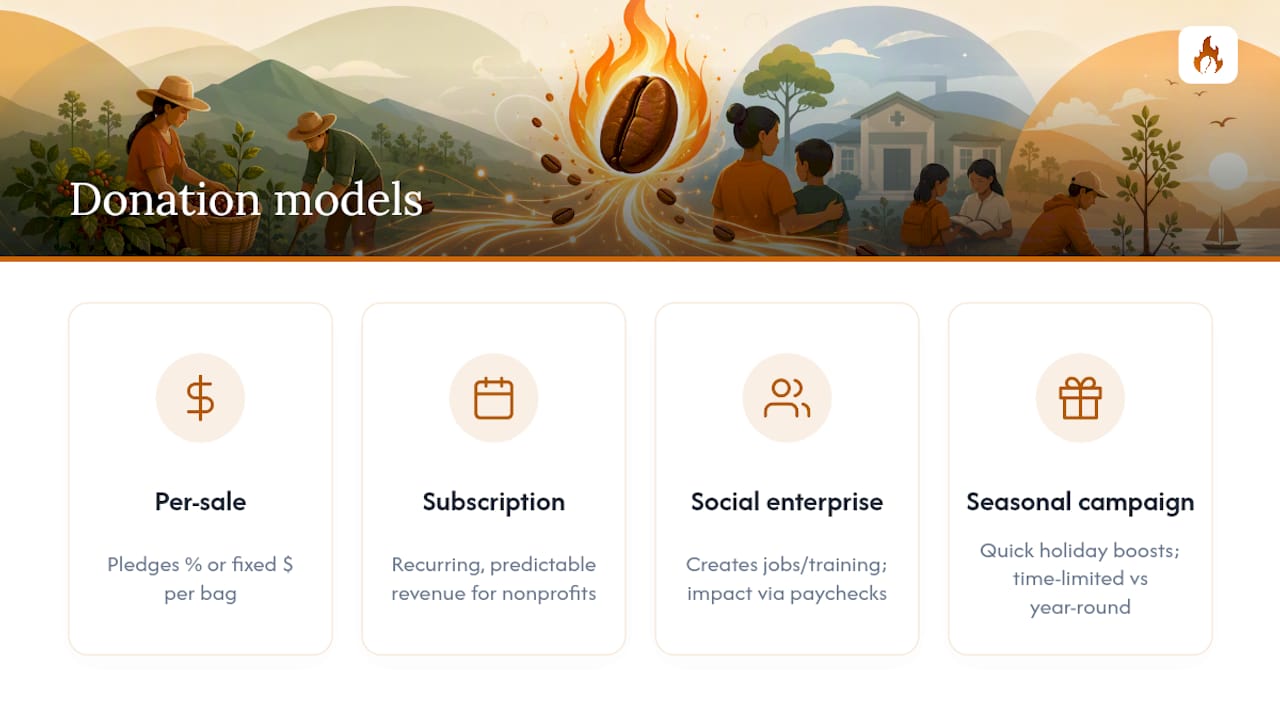
Subscriptions change the funding pattern entirely. A one-time purchase is a single donation moment. A subscription turns that into recurring, predictable revenue for the nonprofit partner, which matters because most charitable programs need steady funding more than they need a single large gift.
Social enterprise and employment models work differently again. Instead of routing a slice of revenue to an outside nonprofit, the coffee company itself creates jobs, training, or internships for the population it aims to help. This model delivers impact daily, through paychecks and skill-building, rather than through a check cut at the end of a quarter.
Seasonal campaigns have real value but come with limits. A holiday fundraiser can move meaningful dollars quickly, but it’s worth weighing that against a standing program that runs all year. For deeper background on how these models shape flavor and sourcing decisions, The Flaming Bean’s guide to community coffee brands breaks down the tradeoffs further.
What kind of impact does purpose-driven coffee actually produce?
Numbers matter more than mission statements, and a few sourced examples show what realistic outcomes look like.
On the employment side, that same social-enterprise café example, 130-plus youth and 22,000 paid internship hours, shows what a jobs-first model can produce when it runs consistently over years rather than one campaign cycle.
On the environmental side, reforestation partnerships are common. One Tree Planted works with brands on verifiable “trees planted per purchase” programs, and its partner pages let you check what’s actually been funded rather than taking a bag’s claim on faith.
Clean water is another frequent target. The Water Project partners with companies, including some in coffee, to fund water access in producing communities, publishing project pages that detail the work.
When comparing brands, look past the headline claim to:
- Whether the partner organization is named and linkable.
- Whether reported numbers cover a specific time period or are lifetime totals.
- Whether the same figure has been repeated for multiple years without updates (a sign the reporting has gone stale).
Where did coffee that gives back come from?
The idea of coffee funding a cause isn’t new, but it professionalized fast over the past two decades. Fair trade certification laid the early groundwork in the 1990s and 2000s, giving coffee drinkers their first widely recognized signal that a purchase supported better wages for growers. That built consumer appetite for the next step: brands that went beyond certification and built entire business models around a specific cause.
Social enterprise coffee shops picked up that thread in the 2010s, hiring directly from the populations they served rather than just donating a slice of revenue elsewhere. Retail-focused giving campaigns followed a parallel track. Organizations like Coffee For A Cause built models coordinating fundraising tied to retail purchases, funding causes ranging from children’s programs to canine welfare to community projects.
What changed most in recent years is transparency expectation. A decade ago, “a portion of proceeds” was often enough. Conscious buyers now expect a named partner, a specific percentage, and increasingly, actual reporting on outcomes. That shift is part of why checklist-style evaluation matters more than it used to. The Flaming Bean’s overview of cause coffee brands traces this category shift in more depth if you want the fuller picture.
What causes do these coffee brands typically support?
Purpose-driven coffee brands cluster around a handful of cause categories, and knowing them helps you match a blend to what you actually care about.
Environmental causes are among the most common, usually reforestation or water access. These tend to be the easiest claims to verify, since partners like One Tree Planted and The Water Project publish project-level reporting that anyone can check.
Social justice and safety-focused causes show up in blends like Safe Ground, supporting organizations that protect vulnerable individuals and strengthen community safety networks. These programs are harder to measure in simple output numbers, since the work is often preventive rather than transactional.
Community development and workforce causes center on the social-enterprise model: direct employment, job training, and internship programs run by the coffee company itself. The Sprudge-reported example of youth completing paid internship hours through café employment fits squarely in this category.
Retail-coordinated campaigns fund a broader mix, sometimes children’s programs, sometimes animal welfare, sometimes local community projects, organized through the coffee purchase itself rather than a standing nonprofit partnership.
Most brands lean toward one category rather than spreading thin across all four. That focus is actually a good sign. A brand that picks one cause and commits to it long-term tends to produce more consistent outcomes than one juggling five causes with a paragraph each.
What do you get beyond the donation itself?
The giving component matters, but it’s rarely the only reason to choose a purpose-driven blend, and treating it as the sole factor undersells what these brands often deliver on quality.
Fair trade sourcing frequently travels alongside charitable giving models, since both practices grow out of the same supply-chain transparency mindset. A brand willing to name its nonprofit partner is often the same brand willing to name its growing region and pay structure for farmers.
Organic certification, where present, adds another verification layer, though it’s worth checking whether a specific blend carries certification rather than assuming an entire brand line qualifies uniformly.
Roast quality itself tends to benefit from this transparency culture. Brands built around a clear mission usually invest in the coffee’s actual character too, since a purpose-driven story doesn’t hold up if the cup underneath it disappoints. The Flaming Bean’s rundown of purpose-driven coffee benefits covers how sourcing quality and mission-driven practices tend to reinforce each other rather than trade off. Buying this way also builds a habit: once you’re checking for named partners and specific percentages, you start applying that same scrutiny across other consumer categories, from eco-conscious snack choices to household goods.
Why community impact shapes every blend we roast
We built The Flaming Bean around a simple idea: bold coffee and meaningful impact aren’t a trade-off, they’re the same product. Blends like Safe Ground, Abyssal, and Mission Fuel exist because we wanted specific causes tied to specific cups, not a vague mission statement bolted onto a bag.
Picking partner organizations isn’t an afterthought here. We look for groups doing concrete, ongoing work, digital safety, protection for vulnerable people, community strength, and we’d rather support fewer causes well than spread thin across a dozen. That’s also why we think the evaluation checklist earlier in this guide matters more than any single brand’s marketing copy, including ours. Judge us by the same standard: name the partner, show the percentage, back it with something real.
— Tony
Ready to try coffee that actually funds something?
The Flaming Bean gives you a rare combination: coffee roasted for genuine flavor variety, morning, evening, bold, smooth, and a direct line to the causes each blend supports. No vague pledges, no unnamed “charitable partners.” Every purpose-driven blend tells you exactly what it funds.
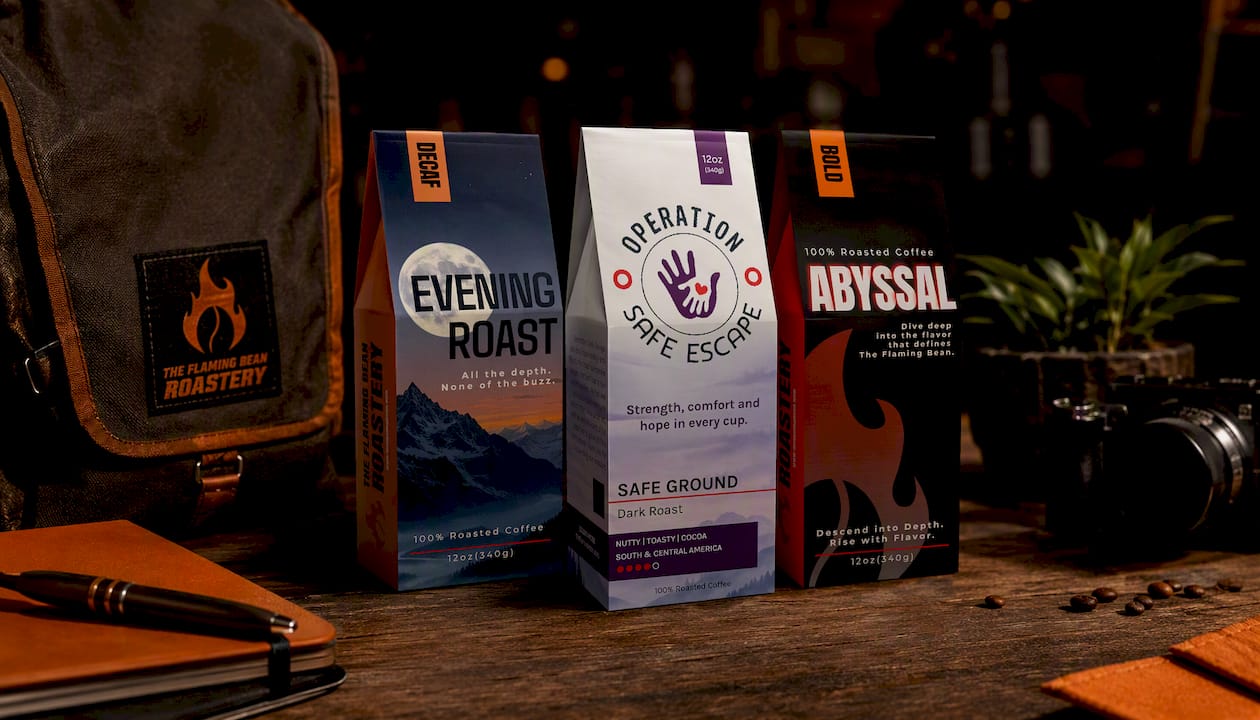
Start with Evening Roast if you want a low-acid cup for slower hours, Safe Ground if community safety work matters most to you, or Abyssal if you want your coffee as bold as your reasons for buying it. All three ship as whole bean or ground, and subscribing locks in a standing discount while keeping your shelf stocked automatically. If you’re buying for a team or organization, The Flaming Bean’s wholesale program extends the same purpose-driven blends to private label and bulk orders. Pick a blend, check the cause it supports, and place your order today.
Sources
- 5 inspiring social-enterprise cafes serving community: coffee with a cause
- One Tree Planted
- The Water Project
Comments