
Light vs Dark Roast Differences: Your Full Guide

Light vs dark roast differences are defined by how roasting temperature transforms a coffee bean’s flavor, acidity, caffeine concentration, and brewing behavior. Light roasts stop near the first crack, preserving the bean’s original character. Dark roasts push through to the second crack, replacing origin notes with roast-driven flavors. The gap between them is not just taste preference. It shapes everything from how you grind your beans to how your stomach feels afterward. Whether you’re reaching for a bright Ethiopian pour-over or a smoky French press, knowing what separates these two roast levels helps you choose with confidence.
What are the light vs dark roast differences in flavor?
The primary flavor difference is that light roasts preserve origin-specific fruit and floral notes with high acidity, while dark roasts deliver bold, smoky, and bittersweet chocolate flavors driven by the roasting process itself. This distinction matters because it tells you exactly what you’re tasting in the cup. With a light roast, you’re tasting the bean’s birthplace. With a dark roast, you’re tasting the roaster’s craft.
Specialty roasters describe this as the difference between terroir and technique. A light roast from Ethiopia might carry jasmine, blueberry, and lemon zest. That same bean taken to a dark roast loses those notes entirely and picks up dark chocolate and smoke. The origin disappears behind the roast.
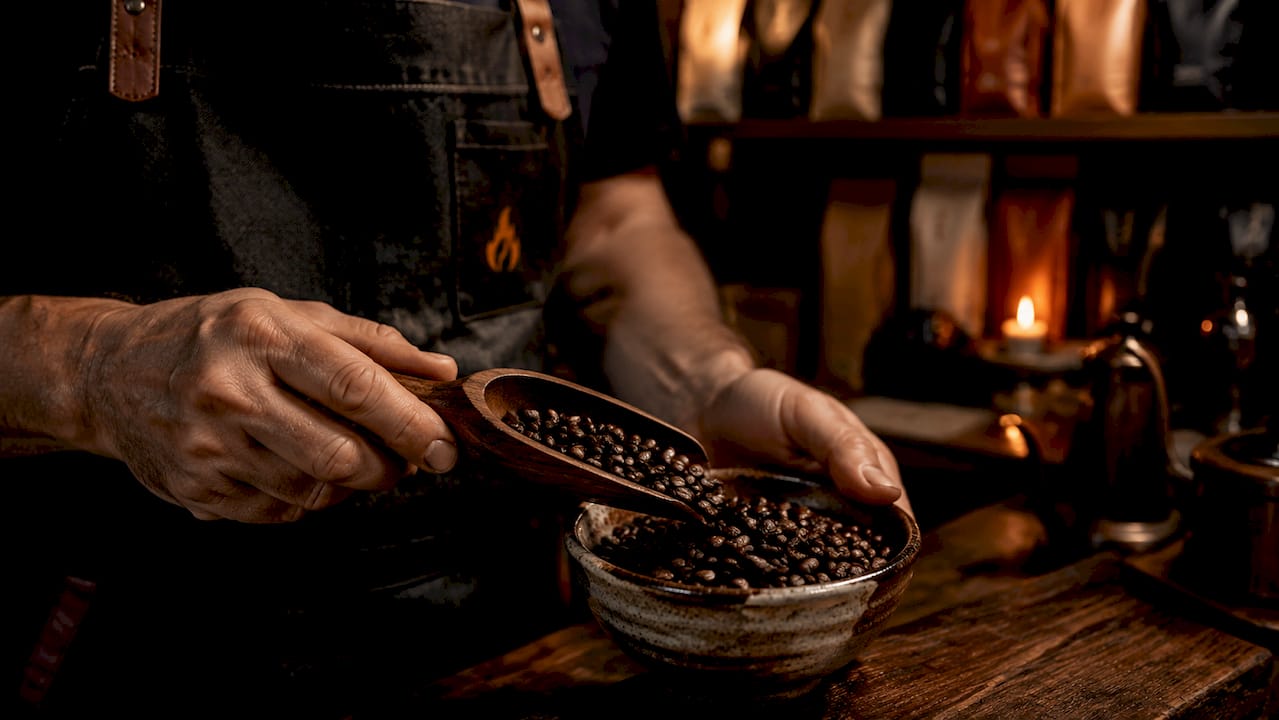
Oils migrate to the bean surface during longer roasting, giving dark roast beans their signature shiny appearance. Those surface oils directly affect mouthfeel, producing a heavier, fuller body in the cup. Light roast beans look dry and matte by comparison, and they brew into a thinner, tea-like body with a livelier finish.
Here is a quick comparison of the two roast profiles:
| Feature | Light roast | Dark roast |
|---|---|---|
| Roast temperature | 356–401°F (first crack) | 437–482°F (second crack) |
| Bean appearance | Dry, light brown | Oily, dark brown to black |
| Flavor notes | Fruit, floral, citrus, tea | Smoke, chocolate, caramel, bittersweet |
| Acidity | High | Low |
| Body | Light to medium | Full, heavy |
Pro Tip: If you want to taste what a specific coffee-growing region actually produces, always start with a light roast. Dark roast masks origin character completely.
How do caffeine content and acidity differ in light vs dark roast?
Caffeine is heat-stable, which means roasting does not destroy it. What roasting does change is the bean’s mass and density. Light roast beans contain approximately 6–8% more caffeine per scoop than dark roasts because they are denser and heavier. By weight, the difference is under 5%. This is one of the most misunderstood facts in coffee.
Most people measure coffee by the scoop, not the gram. That means a scoop of light roast delivers slightly more caffeine than the same scoop of dark roast. The difference is real but modest. It will not dramatically change your energy level, but it does matter if you are tracking intake carefully.
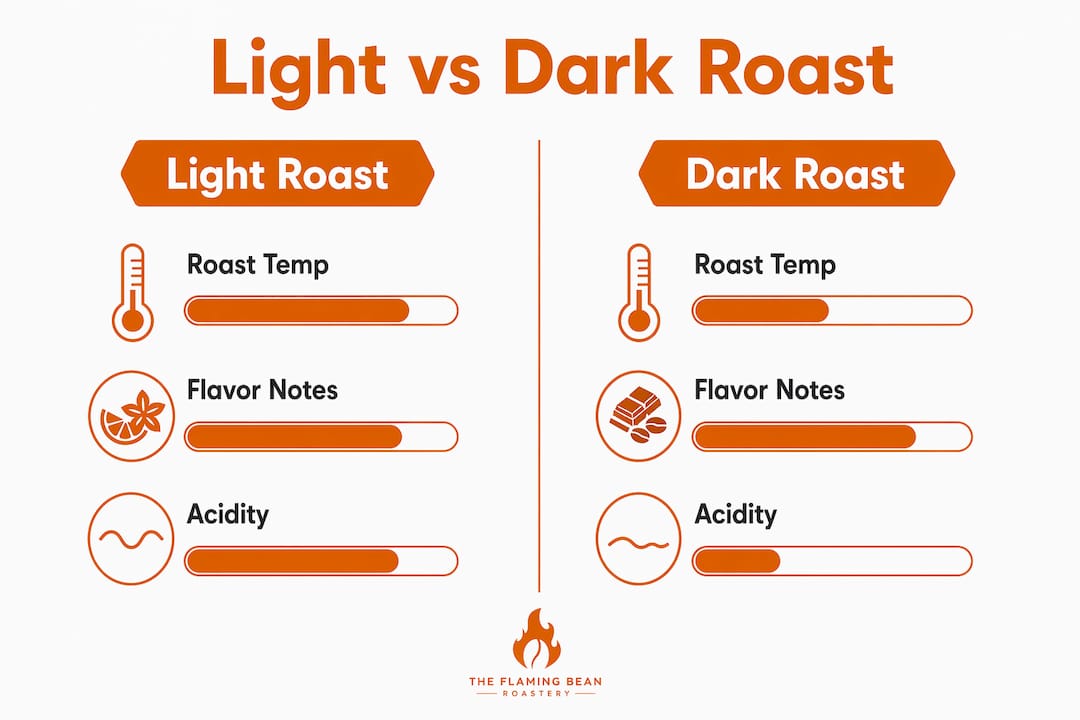
The acidity gap is far more significant. Dark roasts produce 50–70% less titratable acidity than light roasts. That is a dramatic reduction. It explains why dark roast coffee tastes smoother and less sharp on the palate, and why many people with sensitive stomachs tolerate it better.
Here is what the science says about each roast and your body:
- Light roast: Higher chlorogenic acid content, which means more polyphenol antioxidants. Light roasts retain higher amounts of chlorogenic acids, the primary antioxidants in coffee.
- Dark roast: Lower polyphenol content, but roasting generates N-methylpyridinium (NMP), a compound that inhibits gastric acid secretion, making dark roast gentler on the stomach despite its bold flavor.
- Caffeine by volume: Light roast wins by 6–8% per scoop due to bean density.
- Caffeine by weight: Nearly identical across both roasts, with under 5% difference.
- Stomach sensitivity: Dark roast is the better choice for people prone to acid reflux or gastric discomfort.
A common myth is that dark roast is “stronger” in caffeine because it tastes bolder. Strength refers to flavor intensity, not caffeine content. A dark roast tastes intense because roast-driven compounds dominate the cup. Caffeine content tells a different story entirely.
How do brewing methods impact light vs dark roast coffee?
Brewing method is not interchangeable between roast levels. Light and dark roasts behave differently in hot water, and matching your method to your roast is the single biggest upgrade most home brewers can make.
Light roasts require hotter water temperatures of 200–205°F and a finer grind to extract their complex flavors properly. Under-extraction is the most common mistake with light roast. It produces a sour, thin, or grassy cup. You need heat and contact time to pull out those delicate fruit and floral compounds.
Dark roasts extract more easily because roasting to the second crack causes cellular breakdown, making the beans porous and brittle. They are more forgiving with grind size and water temperature. The risk with dark roast is over-extraction, which pushes the flavor from pleasantly bitter into harsh and ashy.
Here are the best brewing pairings for each roast:
- Pour-over (Hario V60, Chemex): Best for light roast. The slow, controlled pour and paper filter highlight delicate origin notes and keep the cup clean and bright.
- AeroPress: Excellent for light roast. Adjustable pressure and steep time let you dial in extraction precisely for complex, nuanced cups.
- French press: Best for dark roast. Full immersion and a metal filter allow oils into the cup, amplifying the heavy body and bold flavors dark roast delivers.
- Espresso machine: Ideal for dark roast. High pressure and short extraction time suit the soluble-rich, porous structure of dark beans. The Flaming Bean’s Angry Rooster pulls beautifully as an espresso shot.
Pro Tip: For light roast at home, use a gooseneck kettle to control your pour and keep water at 203°F. A consistent grind from a quality burr grinder makes the biggest difference in clarity and sweetness.
Investing in the right coffee grinders pays off more than any other equipment upgrade. Grind consistency directly controls extraction evenness, which is the difference between a bright, sweet cup and a muddy, uneven one.
Which roast should you choose based on your taste and lifestyle?
Choosing between light and dark roast comes down to three things: what flavors you enjoy, how you brew, and how your body responds to acidity. There is no objectively better roast. There is only the right roast for you.
Light roast is the right pick if you:
- Enjoy bright, complex cups with fruit, floral, or citrus notes
- Want to taste the character of a specific coffee-growing region
- Prefer a lighter body and higher acidity in the cup
- Brew with pour-over or AeroPress at home
- Are interested in the benefits of whole bean coffee and maximizing antioxidant intake
Dark roast is the better choice if you:
- Love bold, rich, smoky flavors with chocolate or caramel notes
- Add milk, cream, or sugar to your coffee, since dark roast holds up better in milk-based drinks
- Have a sensitive stomach or experience acid reflux with lighter coffees
- Prefer espresso, French press, or cold brew
- Want a consistent, familiar flavor regardless of the bean’s origin
Medium roast offers a balanced flavor profile and serves as the best starting point for anyone unsure of their preference. It bridges origin character and roast-driven sweetness without committing fully to either extreme. Experts recommend beginners start with medium roast to identify whether they lean toward the bright acidity of light roast or the body and sweetness of dark roast.
The Flaming Bean’s Evening Roast is a great example of a coffee designed for approachability. It delivers comfort and smoothness without the sharp edges of a full dark roast, making it a natural choice for afternoon or evening cups.
Key takeaways
Light and dark roast coffee differ most meaningfully in flavor origin, acidity level, caffeine density by volume, and the brewing parameters each roast demands.
| Point | Details |
|---|---|
| Flavor source | Light roast tastes like the bean’s origin; dark roast tastes like the roasting process. |
| Caffeine by scoop | Light roast delivers 6–8% more caffeine per scoop due to higher bean density. |
| Acidity and stomach | Dark roast has 50–70% less acidity and is gentler on sensitive stomachs. |
| Brewing match | Light roast suits pour-over and AeroPress; dark roast suits espresso and French press. |
| Best starting point | Medium roast is the ideal entry point for anyone exploring roast preferences. |
My honest take on choosing your roast
I spent years ordering dark roast by default because it tasted “stronger.” That was the wrong reason, and I was missing out. When I finally brewed a properly extracted light roast Ethiopian Yirgacheffe on a V60, it changed how I thought about coffee entirely. The cup tasted like blueberries and jasmine. No bitterness. No smoke. Just the bean.
The biggest misconception I see is people equating dark roast with quality or intensity. Dark roast is not more sophisticated. It is just more familiar. Most commercial coffee is dark roasted because it masks inconsistencies in lower-quality beans and delivers a predictable flavor. Specialty roasters, by contrast, often favor light and medium roasts because they have nothing to hide.
My advice: if you have only ever drunk dark roast, try a medium roast first. Give your palate a week. Then try a light roast brewed correctly, with hot water and a fine grind. You might be surprised. And if you still prefer dark roast after that, great. You made an informed choice instead of a habitual one.
The other thing worth saying is that brewing method matters as much as roast level. A poorly brewed light roast is worse than a well-brewed dark roast every time. Get your grind and temperature right before you blame the bean.
— Tony
Try these roasts from The Flaming Bean
Ready to put this knowledge to work? The Flaming Bean makes it easy to explore both ends of the roast spectrum with coffees that are carefully selected and roasted to highlight exactly what makes each profile special.
The Evening Roast is a smooth, approachable option that suits anyone looking for comfort and richness without harsh bitterness. It is the kind of cup that works beautifully in a French press or drip machine. If you lean toward bold and adventurous, check out The Flaming Bean’s bold coffee lineup for dark roast options with serious character. And if you want to brew any roast at its best, browse The Flaming Bean’s coffee makers to find the right equipment for your setup.
FAQ
Does light roast really have more caffeine than dark roast?
Yes, by volume. Light roast beans are denser, so a scoop contains 6–8% more caffeine than the same scoop of dark roast. By weight, the difference is under 5%.
Is dark roast easier on the stomach?
Dark roast is gentler on the stomach because it contains 50–70% less titratable acidity and higher levels of N-methylpyridinium, a compound that reduces gastric acid production.
What brewing method works best for light roast coffee?
Pour-over and AeroPress are the best methods for light roast. Both allow precise control over water temperature and extraction time, which is necessary to pull out delicate fruit and floral notes without sourness.
Which roast is better for milk-based drinks?
Dark roast holds up better in lattes, cappuccinos, and other milk-based drinks. Its bold, roast-driven flavors cut through milk without getting lost, while light roast can taste thin or washed out.
What is the best roast for a beginner?
Medium roast is the best starting point. It balances origin character with roast-driven sweetness, making it easier to identify whether you prefer the brightness of light roast or the body of dark roast.
Comments