
Nonprofit Private Label Coffee: Your Fundraising Playbook

The best approach for nonprofit private label coffee is a program that combines transparent suggested retail pricing, real design support, an online storefront or dropship fulfillment, and sustainable sourcing your donors can point to with confidence. That combination keeps margins predictable, keeps volunteer hours low, and keeps your mission front and center on every bag.
Here’s why this works better than a generic wholesale order:
- Reliable margins because suggested retail pricing is set upfront, not guessed at
- Low admin lift since fulfillment and reorders can run through the roaster’s storefront
- Mission alignment because the coffee itself becomes a talking point for your cause
Your next move: request a sample bag and a nonprofit program packet from The Flaming Bean, and ask about Evening Roast, a smooth, crowd-pleasing option that works well as a first sample for boards and fundraising committees.
Key Takeaways
A nonprofit coffee fundraiser succeeds when clear suggested retail pricing, low-friction fulfillment, and verifiable sourcing claims work together to protect both margin and mission credibility.
| Point | Details |
|---|---|
| Start with a sample | Taste the coffee and review label proofs before committing to a full production run. |
| Know your true margin | Compare suggested retail pricing against your wholesale cost before setting fundraising goals. |
| Prepare artwork early | Vector files (.eps, .ai) speed up proofing and keep your production timeline on track. |
| Ask sourcing questions | Request proof of premiums or third-party verification rather than accepting vague ethical claims. |
| Consider The Flaming Bean | Offers sample orders, nonprofit pricing, design support, and Evening Roast as a broadly appealing starting blend. |
Table of Contents
- What Does a Nonprofit Private Label Coffee Program Include?
- How Do You Launch a Coffee Fundraiser From Scratch?
- What Do Nonprofit Coffee Programs Cost, and How Long Do They Take?
- Packaging and Artwork: What Nonprofits Need to Prepare
- [Why Does Sustainability in Food Services Matter to Donors?](#why-does-sustainability-in-food-serviceshttpswildfoodzcom20260616sustainability-in-food-services-2026-operator-guide-matter-to-donors)
- Tips to Sell More Coffee With Less Volunteer Effort
- Legal and Regulatory Considerations for Coffee Fundraisers
- Why We Built a Nonprofit Coffee Program
- How to Start a Private Label Fundraising Program With The Flaming Bean
- Sources
What Does a Nonprofit Private Label Coffee Program Include?
A solid private label coffee fundraiser program is built from a handful of moving parts, and knowing them before you inquire saves you weeks of back-and-forth. Most roasters offering nonprofit coffee programs bundle the same core pieces, though the depth of support varies a lot from one supplier to the next.
- Custom-labeled bags with your organization’s name, logo, and mission statement
- Suggested retail pricing so sellers and committees aren’t guessing at markup
- Sample orders you can taste and show before committing to a full run
- An online storefront or donation landing page for digital sales
- Fulfillment or dropship service so volunteers aren’t packing boxes
- Subscription options for recurring donor support
- Marketing collateral and seller kits for events, tables, and email campaigns
What separates a nonprofit-friendly supplier from a purely wholesale one is the support layer: artwork proofing help, pricing tiers scaled to order size, and a real answer on who ships the coffee once it’s ordered. Evening Roast is a common starting point for nonprofits because its balanced profile appeals broadly, which matters when your buyers include grandparents and gala guests alike.
| Point | Details |
|---|---|
| Sample bags | Order a taste-test bag before committing to a full production run. |
| Suggested pricing | Ask for suggested retail pricing so your team doesn’t set margins blind. |
| Storefront option | An online store or donation page removes manual order-taking. |
| Fulfillment support | Confirm whether the roaster ships directly to buyers or to you in bulk. |
How Do You Launch a Coffee Fundraiser From Scratch?
Getting from “we should sell coffee” to actual revenue follows a fairly consistent sequence, whether you’re running a school PTA sale or a national nonprofit gala.
- Send an inquiry and request a sample order to taste the coffee and evaluate the label mockup
- Approve the roast profile and final label design
- Set your suggested retail price and confirm your margin per bag
- Place your minimum order, or set up a dropship account if you want to skip bulk inventory
- Train sellers or volunteers on the pitch, pricing, and where to direct online buyers
- Launch across your chosen channels: in-person tables, an online store, or subscription signups
- Fulfill and track orders as they come in
- Plan your reorder point before your current stock runs low
Before you place that first order, your team needs a short checklist ready:
- Final artwork file, approved and sized to the roaster’s specs
- Your organization’s EIN and tax-exempt documentation, if requested
- Payment method and any deposit due at order placement
- A written timeline with target dates for proofing, production, and delivery
Print this list and hand it to your fundraising committee or board treasurer. It turns a vague “let’s do a coffee sale” into a project with actual owners and deadlines.
What Do Nonprofit Coffee Programs Cost, and How Long Do They Take?
Budgeting a coffee fundraiser starts with understanding the moving cost pieces, since per-bag price is only part of the picture. Most nonprofit private label programs charge for the coffee itself, a one-time label or setup fee, sample bags, shipping, and sometimes a deposit tied to your first production run.
Minimum order quantities vary widely by supplier and packaging format. A dropship or on-demand model can lower your MOQ dramatically since bags are produced as orders come in, which protects cash flow for smaller organizations that can’t front the cost of a few hundred bags at once. Subscription add-ons tend to raise average order value over time without adding to your upfront commitment.
| Cost or Timeline Element | What to Expect |
|---|---|
| Per-bag cost | Varies by roast, bag size, and order volume |
| Setup or label fee | Often a one-time charge for first-time label production |
| Sample lead time | Typically the fastest turnaround in the process |
| Full production lead time | Longer than sample orders; plan around your event date |
| Shipping window | Add buffer time, especially for peak seasons |
- Build in at least a few extra weeks of buffer before any fixed event date
- Ask specifically about proofing rounds, since revisions add to your timeline
- Compare suggested retail pricing against your wholesale cost to calculate real margin per bag before you commit to volume
Packaging and Artwork: What Nonprofits Need to Prepare
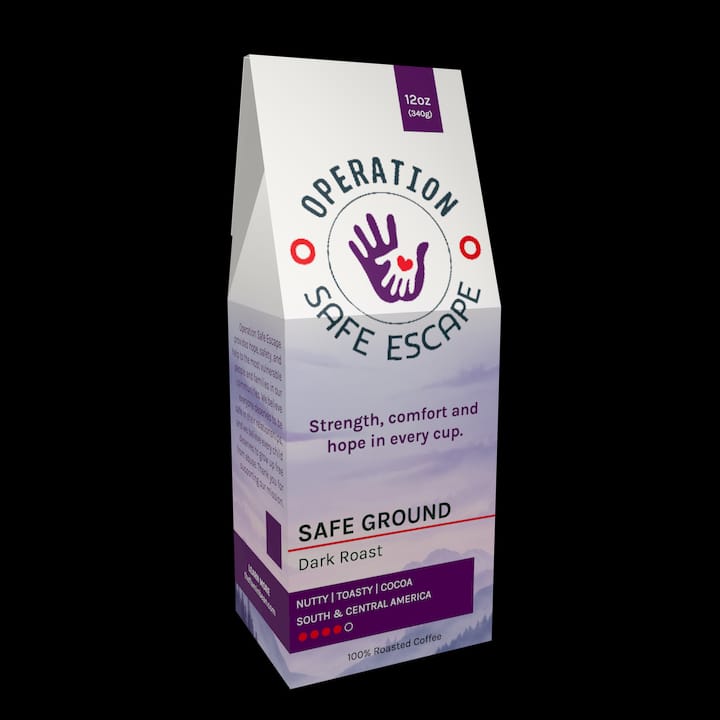
Bag size and finish matter more to sales than most fundraising committees expect. A 12-ounce bag with a valve tends to be the standard choice for retail-style sales since it keeps coffee fresh and looks familiar to buyers, while smaller sample packs work well for tasting events or as low-cost donor add-ons. Matte finishes read as more premium at a glance, which can matter for gala auction bundles.
On the design side, most roasters ask for vector artwork, files like .eps or .ai, or a high-resolution PDF, since these scale cleanly to production without pixelation. Setup for private label runs typically begins within about a week of artwork approval, so getting your files right the first time saves real calendar time.
- Bag size: confirm whether 12-ounce is standard or if smaller/larger options exist
- Valve vs. non-valve: valve bags preserve freshness for longer shelf runs
- File format: vector (.eps, .ai) preferred over raster images like JPEGs
- Proofing rounds: ask how many revisions are included before extra fees apply
- Design help: confirm whether the roaster’s team can build your label if you don’t have a designer
Detailed specs and formatting guidance are laid out in The Flaming Bean’s packaging design guide, which is worth reviewing before you brief a designer.
Pro Tip: Keep your mission statement and a clear call-to-action legible even when your label is shrunk to a thumbnail. Most buyers will see your bag as a tiny square image in an online store long before they hold it in their hands.
Why Does Sustainability in Food Services Matter to Donors?
Coffee sustains at least 60 million people worldwide through farming and related work, and the price a nonprofit pays for its private label coffee has a real, if indirect, connection to those livelihoods. Donors increasingly notice sourcing claims on packaging, and a vague “ethically sourced” line means less to them than specifics.
Buyers who prioritize purchases with built-in premiums and living-income commitments can meaningfully narrow the gap between what a bag sells for at retail and what a farmer actually earns.
Verification programs like C.A.F.E. Practices use economic, social, and environmental indicators checked by third-party auditors, while frameworks like Sucafina’s IMPACT program combine traceability with mandatory and improvement indicators. Before you sign on with a supplier, ask direct questions: Can they document premiums paid to producers? Is sourcing third-party verified, or is it a marketing claim with no audit behind it? The Global Sustain Coffee Network publishes case studies showing how consistent purchase commitments push producers toward more sustainable practices over time.
Tips to Sell More Coffee With Less Volunteer Effort
Picking the right sales channels up front saves your team from running five half-staffed initiatives instead of two well-run ones.
- In-person events: sample tastings at fairs, church gatherings, or community events convert well because people can smell and taste before buying
- Online storefronts: best for reaching supporters outside your local area and for repeat, low-effort orders
- Donor gifts: pair a bag with a thank-you note for mid-tier and major donors
- Corporate partners: local businesses often buy in bulk for office coffee or client gifts
To boost order size without more volunteer hours:
- Bundle two or three roasts together as a gift set
- Offer a subscription signup incentive at events, since it turns a one-time sale into recurring revenue
- Ask supporters’ employers about matching gift programs, which can double a purchase’s fundraising value
- Keep a simple shared spreadsheet, or use the roaster’s own order tracking, so no order falls through the cracks
A short tasting event costs little and tends to outperform a table with bags and no context. People buy coffee they’ve already enjoyed.
Legal and Regulatory Considerations for Coffee Fundraisers
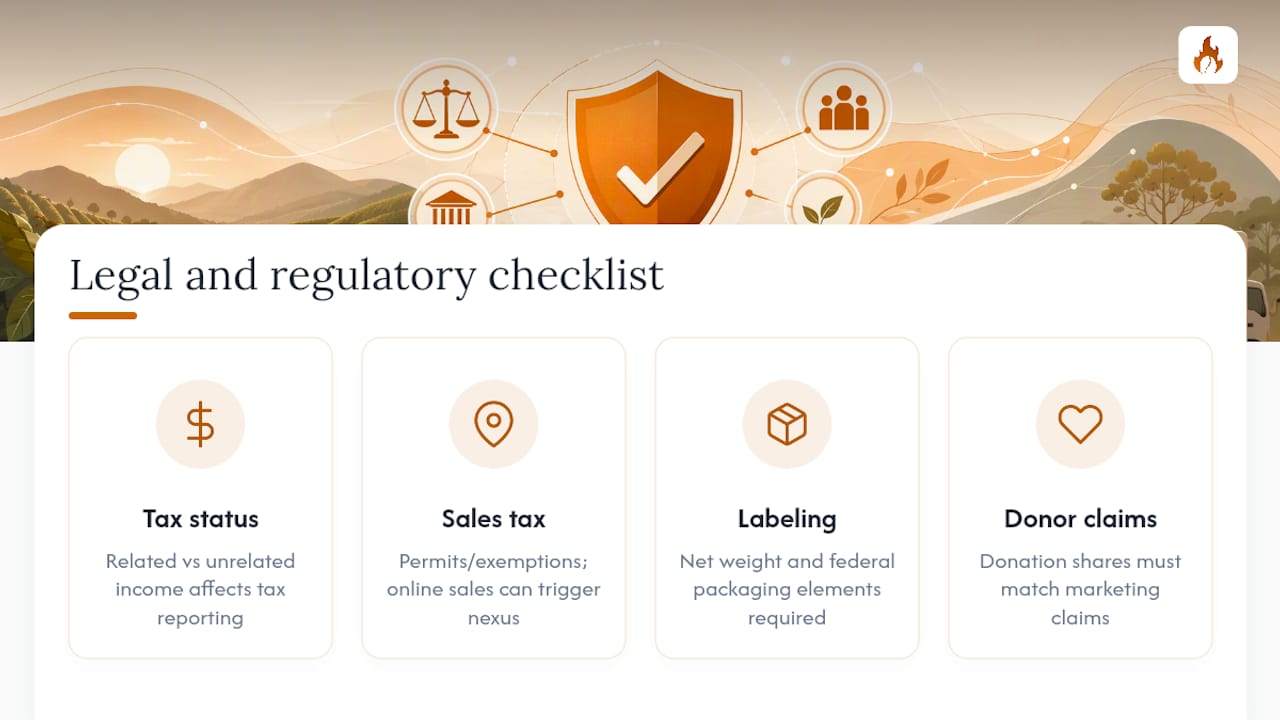
Selling branded coffee as a nonprofit fundraiser is generally treated as related or unrelated business income depending on how it’s structured, and that distinction affects your tax reporting. If coffee sales substantially further your exempt purpose, such as funding a specific program the coffee is branded around, they’re more likely treated as related income. Sales that look more like a standalone retail business running alongside your nonprofit work can trigger unrelated business income tax scrutiny, so it’s worth a conversation with your accountant or tax counsel before scaling a program significantly.
Most states also require a sales tax permit or exemption certificate for retail transactions, and rules on nonprofit sales tax exemptions vary by state and by whether the sale happens in person or online. If you’re shipping coffee across state lines through an online store, you may trigger sales tax collection obligations in states where you have significant sales volume, a concept known as economic nexus.
Label compliance matters too. Coffee sold at retail typically needs accurate net weight disclosure and basic labeling elements consistent with federal packaging and labeling requirements, even for a small-batch nonprofit run. A reputable private label roaster should already build compliant labels, but it’s worth confirming rather than assuming.
Finally, keep your donor communications accurate: if you’re marketing a blend as supporting a specific cause or organization, make sure your actual profit-sharing or donation structure matches what your marketing claims. Overstating the donation percentage on a coffee bag is a solicitation issue, not just a labeling one, and it’s the kind of detail that can undermine donor trust if it’s ever questioned.
Why We Built a Nonprofit Coffee Program
We started The Flaming Bean’s nonprofit work because coffee is already something people buy every week, and turning that habit into fundraising felt obvious. Purpose-driven blends and charity partnerships are part of how we operate, not an add-on. A typical pattern we see: an organization orders a small sample batch, uses it as a gala silent auction bundle, and turns that into a standing subscription program for donors the following year.
How to Start a Private Label Fundraising Program With The Flaming Bean
Most nonprofits we work with start the same way: request a sample. Ask specifically about Evening Roast if you want a smooth, broadly appealing option to show your board or committee before committing to a full run.
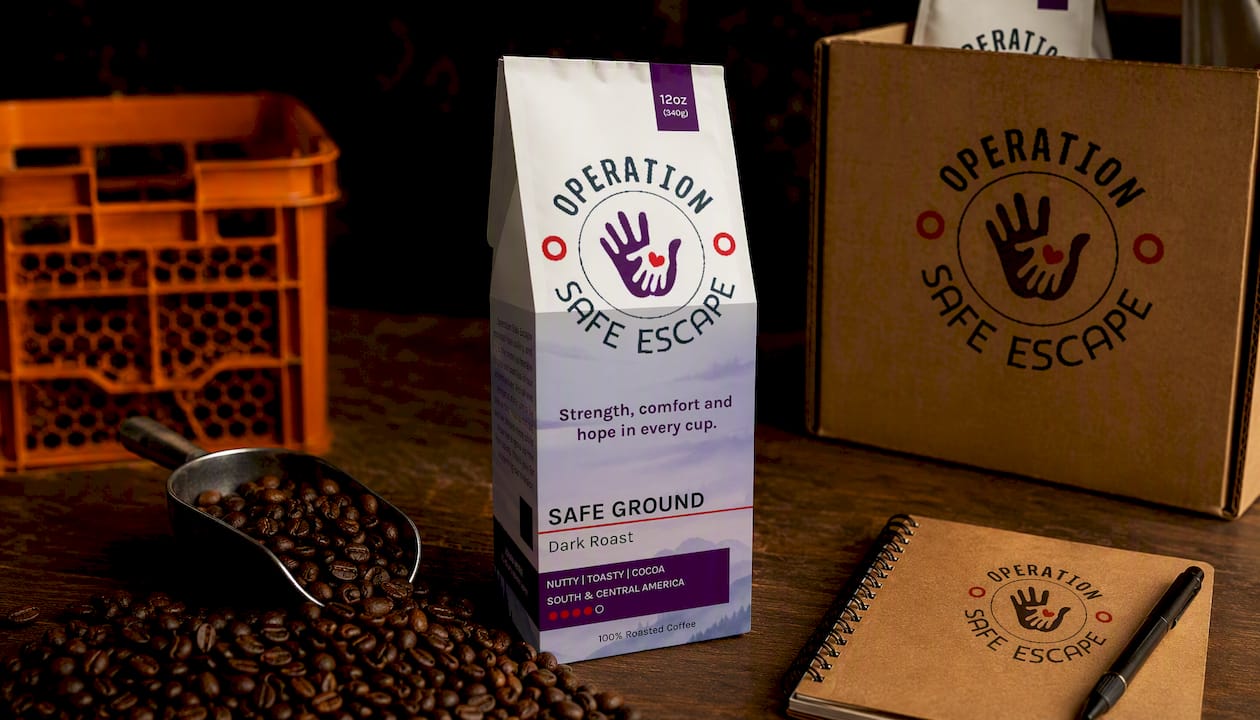
From there, the path is short. Review our nonprofit pricing packet, submit your artwork (or ask our team for design help if you don’t have a file ready), approve your proof, and we’ll schedule production. We handle fulfillment options and can set up an online storefront so your supporters can order directly, which means your volunteers spend less time packing boxes and more time on outreach. Deposits and minimum order details are outlined in your program packet, and our team walks you through both before you commit to a full production run.
Visit our charities page to see how other organizations have structured their programs, or head straight to the Evening Roast product page to request your sample bag and get your nonprofit packet started today.
Sources
For deeper reading on sourcing verification and producer income, these resources are worth bookmarking:
- Responsible Coffee Sourcing: Towards a Living Income for Producers
- Sustainable sourcing resources and case studies
Comments