
Save 30–60 Seconds: When Whole Bean Beats Ground Coffee

Whole bean wins on flavor and freedom, pre-ground wins on speed. That’s the short version. But a fresh bag of pre-ground beats a stale bag of whole beans every time, and a cheap grinder can wipe out the whole-bean advantage before your first sip. We’ll walk through where Evening Roast, Angry Rooster, and Abyssal fit into that picture, too.
TL;DR:
- Freshly ground beans offer brighter, more complex flavors, especially for pour-over and espresso, but require time and proper storage.
- Whole beans retain CO2 and aromatic oils better than pre-ground coffee, which starts losing freshness immediately after grinding.
- Grind size must match brewing method precisely; using an improper grind can negate the benefits of high-quality beans and a good grinder.
- Storage in a cool, dark, airtight container extends coffee freshness, with whole beans lasting one to two weeks after opening.
- Buying smaller bags and grinding on demand benefits daily brewers seeking optimal flavor, while pre-ground suits occasional or fast-paced routines.
Table of Contents
- Pre-Ground vs Whole Bean: Which Wins for Your Brew Method?
- Why Freshly Ground Beans Often Taste Different
- Which Grind Size Does Your Brew Method Need?
- How to Store Coffee for Maximum Freshness
- Is Whole Bean Worth the Extra Cost and Time?
- Tony’s Checklist for Choosing Your Format
- A Week in Two Formats
- Find Your Format at The Flaming Bean
- Sources
- FAQ
Pre-Ground vs Whole Bean: Which Wins for Your Brew Method?
Your brew method decides more of this than your taste preference does. Some methods punish stale or inconsistent grounds. Others barely notice.
- Espresso: whole bean, always. The margin for error is tiny, and freshly cracked beans hold the oils and CO2 that build a proper crema.
- Pour-over: whole bean, ground right before brewing. This method rewards aroma clarity more than almost any other.
- Manual filter (Chemex, V60): whole bean, though a very fresh pre-ground bag from a specialty roaster can work in a pinch.
- Automatic drip: either format works fine. Grinder quality matters more than the bean-versus-ground debate here.
- French press: whole bean if you can, since a coarse and even grind matters more than freshness alone.
- Travel or office setups: pre-ground, for obvious reasons. Nobody wants to haul a grinder to a hotel room.
- Occasional drinkers: pre-ground. If you brew twice a month, a grinder sitting idle isn’t earning its shelf space.
Freshness and flavor favor whole bean almost everywhere on that list. Convenience and cost tilt back toward pre-ground the less often you brew, and the busier your mornings get.
Why Freshly Ground Beans Often Taste Different
Grinding coffee is a one-way door. The moment a burr or blade breaks a bean apart, it multiplies the surface area exposed to air, and aroma compounds start evaporating within minutes, not days. That’s the mechanism behind what actually changes in the cup once beans are ground: oxidation moves in fast, and the bright, layered notes you taste in a fresh cup fade toward flat and muted.
Whole beans hold onto something pre-ground coffee loses almost immediately: carbon dioxide. Roasting traps CO2 inside the bean structure, and that gas is what drives the bloom you see when hot water first hits fresh grounds. A strong bloom usually signals more even extraction and a fuller cup, a connection Breville’s guide to whole bean coffee lays out clearly.
The roast date matters more than the format. A bag of pre-ground coffee roasted three days ago will usually taste better than whole beans that have sat, opened, on a shelf for two months. Format is a factor. Timing is often the bigger one.
- Fresh whole bean, ground on demand: brighter, clearer, more distinct flavor notes.
- Fresh pre-ground (within days of roasting): still solid, slightly less aromatic complexity.
- Stale whole bean (weeks past roast, opened): flat, muted, sometimes papery.
- Stale pre-ground: the worst of both worlds, often tasting hollow or dull.
Which Grind Size Does Your Brew Method Need?
Grind size is not a minor detail. It’s the single biggest lever you control once you’ve picked a bean, and getting it wrong undercuts everything else you did right.
- Espresso: fine, close to powdered sugar in texture.
- Pour-over: medium fine, similar to table salt.
- Automatic drip: medium, comparable to sand.
- French press: coarse, closer to sea salt or breadcrumbs. Most guides put this range around 800 to 1,200 microns.
- Cold brew: extra coarse, chunkier than French press.
Burr grinders crush beans between two abrasive surfaces and produce a consistent particle size. Blade grinders chop erratically, leaving a mix of dust and boulders in the same batch, which throws off extraction no matter how good the beans were. A poor grinder can genuinely erase the whole-bean advantage, since uneven particles extract unevenly, sometimes tasting worse than a well-made pre-ground bag.
If a full burr grinder isn’t in the budget yet, a basic hand grinder or a grind-and-brew machine with a built-in burr can be an option. Ordering beans ground to your specific method at the roaster level is another solid middle path.
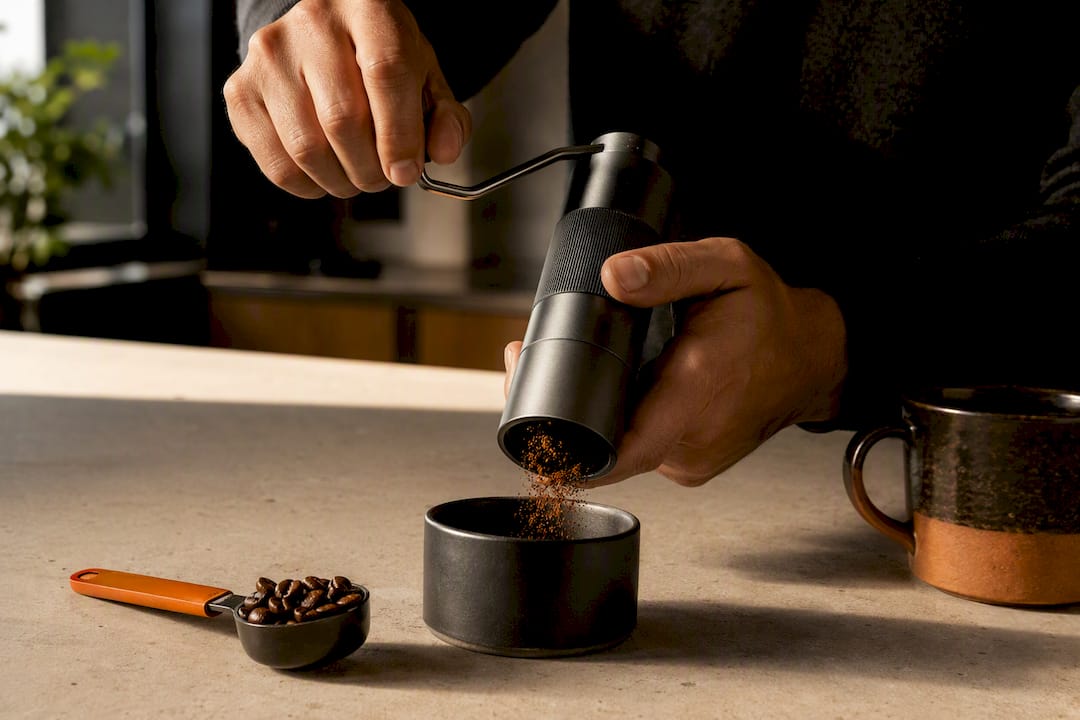
Pro Tip: If you only brew one method, buy a grinder built for that method’s range instead of a “do everything” model. A grinder that’s mediocre at five jobs beats one that’s perfect at zero.
How to Store Coffee for Maximum Freshness
Coffee’s enemies are heat, light, air, and moisture. Keep bags and containers in a cool, dark cabinet, not on a sunny counter or next to the stove, and reseal them tightly after every use.
- Store in an opaque, airtight container, ideally with a one-way valve to release CO2 without letting air back in.
- Keep coffee away from the fridge and freezer for daily use. Condensation does more damage than room temperature ever will.
- Opened whole-bean bags hold peak flavor for roughly one to two weeks after opening.
- Opened pre-ground coffee fades faster, often losing its best character within just a few days.
- Buy bag sizes you can realistically finish inside that window rather than stockpiling.
You’ll notice the decline before you can name it: the cup smells thinner, tastes flatter, and the bloom barely stirs when water hits it. That’s your signal the bag has passed its prime, whole bean or ground.
Is Whole Bean Worth the Extra Cost and Time?
A basic burr grinder runs somewhere between the cost of a few bags of specialty coffee and a mid-range brewer, a real upfront cost that pre-ground coffee skips entirely. But whole bean often extracts more efficiently, meaning less wasted coffee and more consistent cups per bag over months of use, which chips away at that initial expense.
- Time cost: grinding adds roughly 30 to 60 seconds per brew. Trivial for most people, real friction for rushed mornings.
- Pre-ground wins when: you’re sharing a kitchen with people who won’t maintain a grinder, traveling, or keeping a backup on hand for busy days.
- Whole bean wins when: you brew daily, care about flavor clarity, and can commit to using beans within a couple of weeks.
- Smart middle ground: buy smaller bags more often, or use a subscription cadence timed to your actual drinking pace instead of stockpiling.
Tony’s Checklist for Choosing Your Format
Tony’s shorthand works because it forces the real variables into the open instead of treating this as a purity contest. Match your bag size to your freshness window, check your grind against your brew method, and don’t buy a grinder you won’t maintain.
Pro Tip: Dose by weight, not scoops. A cheap kitchen scale removes more guesswork from your coffee than almost any other single purchase.
— Tony
A Week in Two Formats
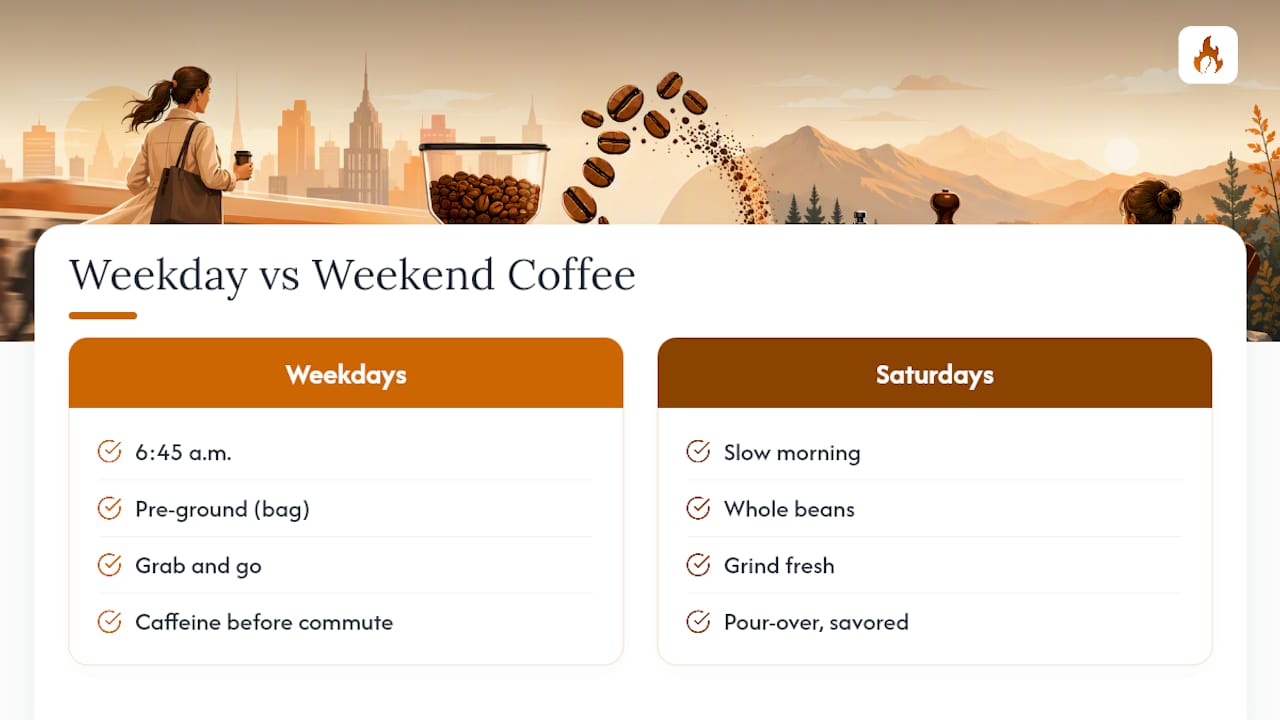
Saturday mornings mean whole beans and a slow pour-over, ground fresh, savored with nowhere to be. Weekdays mean a bag of pre-ground in the same cabinet, grabbed at 6:45 a.m. when the only goal is caffeine before the school run or the commute.
The trick is rotation: buy only what gets used before staleness sets in, so neither bag turns into a science experiment at the back of the shelf. One rule keeps it simple: fast mornings get pre-ground, slow mornings get the grinder.
Find Your Format at The Flaming Bean
Whichever way you land on whole bean versus pre-ground, the roast you choose matters just as much as the format. Evening Roast is built for easy, everyday drip brewing when you want something smooth and low-maintenance, whole bean or ground.
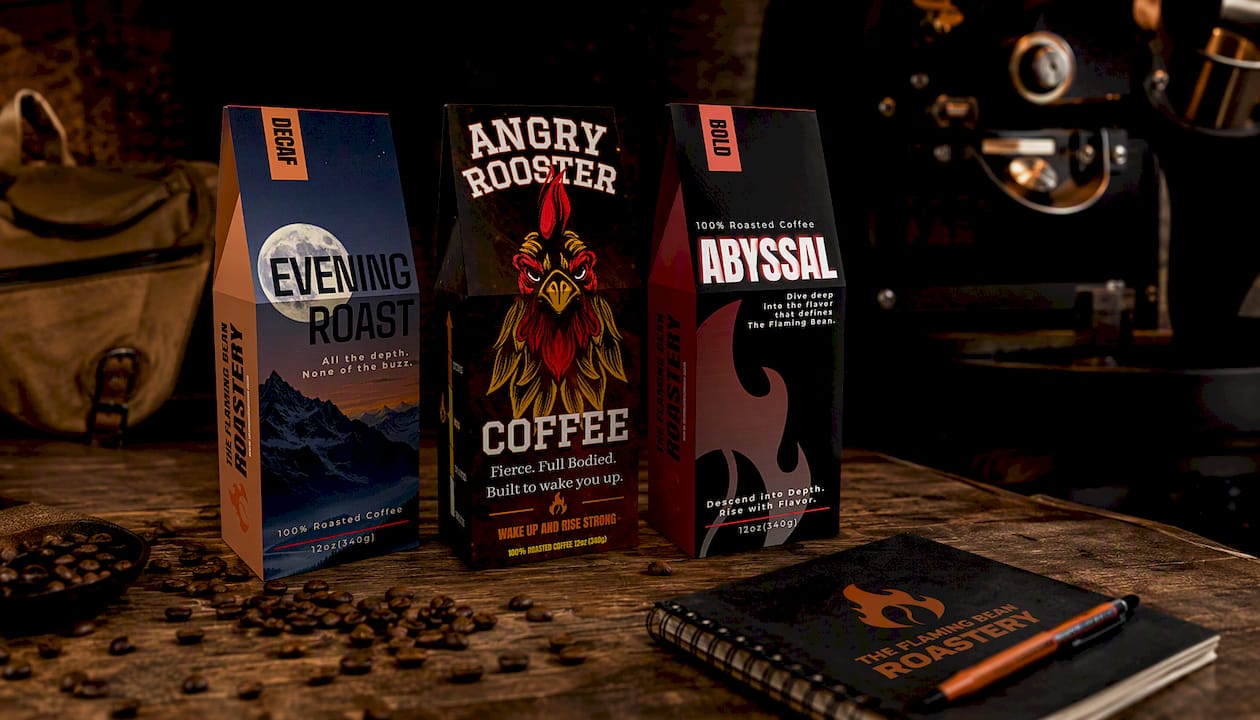
If your mornings need a jolt, Angry Rooster delivers a bolder, fuller-bodied cup that holds up well even through an automatic drip machine. For readers chasing the flavor clarity this whole article has been about, Abyssal is the specialty-grade option worth grinding fresh for pour-over or espresso. Every roast, including Evening Roast, ships in bag sizes built around real freshness windows, not warehouse shelf life, so you’re not stuck choosing between a stale bag and a wasted one. Grab a small bag to test a new roast, or set up a subscription timed to how fast you actually drink coffee.
Not sure where to start? Browse the full lineup or grab a gift card if you’d rather let someone else pick their favorite.
Sources
- Pre-Ground vs Fresh Ground Coffee: What Actually Changes in the Cup? - ITA Coffee
- Whole bean vs. ground coffee: Important differences - Breville
- Whole bean vs. ground coffee: Which is the better option? - The Manual
FAQ
Is It Worth Buying Pre-Ground Coffee?
Yes, if your priority is speed or you brew inconsistently. A fresh bag from a roast date within a week or two can still taste great, especially for automatic drip or shared-kitchen setups where grind precision matters less.
Can I Make Pour-Over Coffee With Pre-Ground Coffee?
You can, but it’s not ideal. Pour-over rewards a specific medium fine grind and maximum freshness, so results improve noticeably when you grind whole beans just before brewing rather than relying on a pre-set grind.
What Do Baristas Spray on Beans Before Grinding?
Some baristas mist beans with a small amount of water before grinding, a trick sometimes called the Ross Droplet Technique, to reduce the static cling that scatters fine grounds. It’s a workaround for mess, not a flavor requirement, and plenty of home setups skip it entirely.
Is Whole Bean Coffee Healthier Than Ground Coffee?
There’s no meaningful health difference between the two formats themselves. The real variable is freshness and oxidation level, since coffee that’s degraded from age loses some antioxidant compounds regardless of whether it started as whole bean or pre-ground.
Comments