
Make Strong Morning Coffee with 1:7 Moka or Safe Ground at 1:15

Espresso, moka pot brews, concentrated drip, French press, and cold brew concentrate deliver the strongest morning cups you can make at home. The single method that beats all of them: raise your coffee dose, match your grind to your brew method, and control extraction time and water temperature. For a shortcut, start with a strong-roast coffee and build from there.
TL;DR:
- The most potent morning coffees are achieved by increasing the dose, matching grind to method, and controlling extraction time and water temperature.
- Cold brew concentrate often delivers more caffeine per serving and is gentler on sensitive stomachs compared to other brewing methods.
- Roast level does not determine strength; focus on origin and body, as light roasts can have more caffeine per weight than dark roasts.
- Moka pots and AeroPress offer quick, high-intensity options, while French press and cold brew are suited for larger volumes and slower releases.
- Using a consistent ratio, proper grind size, and precise timing are more important than bean color in brewing a reliably strong cup.
Table of Contents
- Which Coffee Drinks Actually Give You The Strongest Morning Boost?
- How Do You Brew A Stronger, Balanced Cup At Home?
- Does Roast Level Really Determine How Strong Your Coffee Tastes?
- What Tools And Recipes Give You A Strong Cup Fast?
- What Makes Safe Ground A Reliable Choice For A Strong Morning Cup?
- What Actually Matters When You’re Chasing A Stronger Cup
- Get A Strong Cup Without The Guesswork: Try Safe Ground
- Sources
Which Coffee Drinks Actually Give You The Strongest Morning Boost?
Not every “strong” cup is strong for the same reason. Some pack more caffeine per ounce. Others just taste bolder because of how concentrated the flavor compounds are. Knowing the difference helps you pick the right brew for the right morning.
- Espresso and ristretto: A single shot delivers a moderate amount of caffeine in about one ounce, according to ProCoffeeGear. That’s the fastest, most concentrated hit you’ll get, but the small serving size means you feel the intensity without a large volume of liquid.
- Moka pot: Pressure and heat pull a thick, espresso-adjacent shot without the machine. It’s the closest thing to café-strength coffee most people can make on a stovetop.
- Strong drip: A regular 8 oz cup contains a moderate range of caffeine depending on dose, per ProCoffeeGear. Push the ratio higher and you get a bigger cup with real staying power.
- French press: Full immersion brewing extracts more oils and body than paper-filtered methods, which is why it tastes heavier even at a similar caffeine level.
- Cold brew concentrate: Steeped for hours, then diluted or sipped straight, it can deliver more caffeine per serving than any other method here, depending on how strong you mix it.
If you want speed and a small serving, go espresso or moka. If you want volume and a slow release through the morning, go strong drip or French press. If your stomach is sensitive to acidity, cold brew concentrate is usually the gentler option.
How Do You Brew A Stronger, Balanced Cup At Home?
Strength without balance just tastes burnt. The fix is a repeatable ratio, the right grind, and a timer, not more scoops thrown in blindly.
- Set your ratio first. For French press, use 1:12 (about 1 gram of coffee per 12 grams of water) for a strong but balanced cup. For drip, aim for 1:15 instead of the standard 1:17. Moka pot runs thicker, closer to 1:7 or 1:8. AeroPress concentrate recipes often go as low as 1:5 before diluting with hot water.
- Match the grind to the method. Coarse for French press, medium-fine for drip, fine for moka pot, and fine to medium-fine for AeroPress. A French press grind size that’s too fine will over-extract and turn bitter fast.
- Watch water temperature. Aim for 195°F to 205°F. Cooler water under-extracts and tastes flat; boiling water scorches the grounds and pulls out harsh compounds.
- Time your brew. French press: 4 minutes. Drip: 3 to 5 minutes total contact time. Moka pot: pull it off the heat the moment you hear that hissing gurgle, before it scorches.
- Taste, then adjust one variable at a time. Too bitter, cut contact time or grind coarser. Too weak, raise the dose slightly or grind finer. Never change two variables at once. This mirrors how Food Network’s own testing compared strength and body across dozens of ground coffees using consistent equipment and measured doses.
Check your water quality and clean your equipment regularly. Mineral buildup and stale filters mute strength even when your ratio is dialed in exactly right, as The Spruce Eats points out in its rundown of morning coffee fixes.
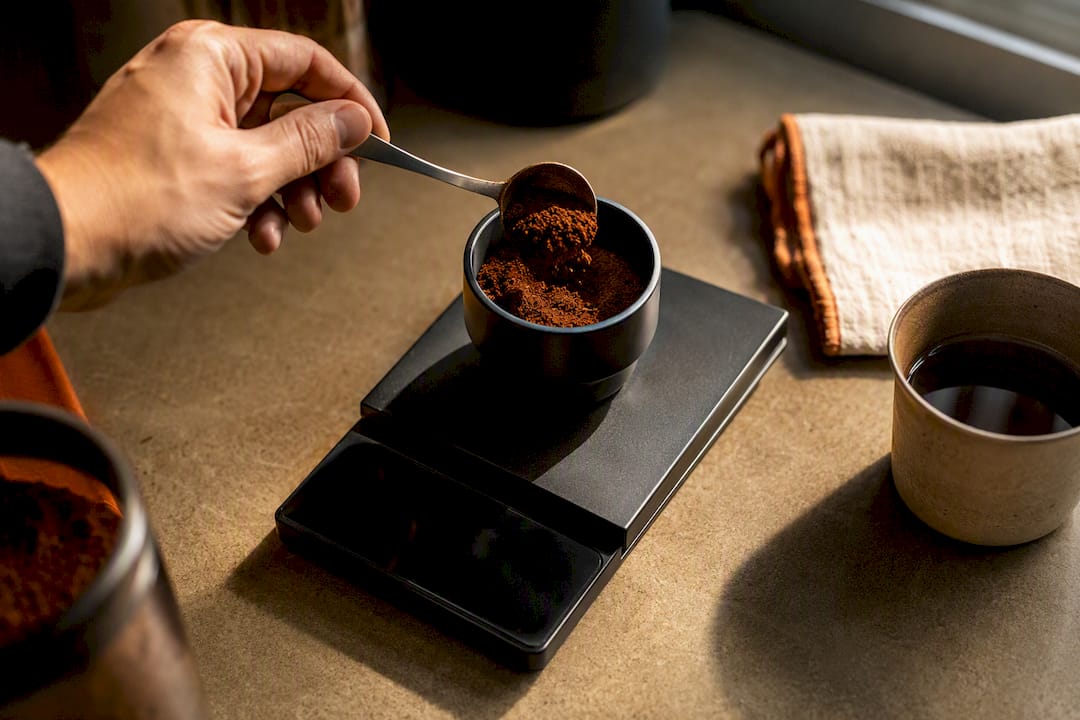
Pro Tip: Weigh your coffee instead of scooping it. A tablespoon of finely ground coffee weighs more than the same scoop of coarse grounds, so “measuring by scoop” quietly changes your strength from batch to batch without you noticing.
If bitterness creeps in as you push the dose higher, our guide on making coffee less bitter walks through the fixes without sacrificing strength.
Does Roast Level Really Determine How Strong Your Coffee Tastes?
Not the way most people assume. The idea that dark roast automatically means more caffeine is one of the most persistent myths in coffee, and it’s backwards. Testing from Food Network found that light roasts can carry slightly more caffeine by weight, since roasting burns off a small amount of mass and caffeine along with it. What dark roasts actually deliver is body: a heavier, fuller mouthfeel that most drinkers interpret as “stronger” even when the caffeine numbers say otherwise.
For a genuinely intense morning cup, prioritize body and origin over roast color alone:
- Origin matters. Beans from Sumatra, Brazil, or robusta blends tend to taste bolder and heavier than delicate, high-altitude Ethiopian or Kenyan lots.
- Roast level shapes flavor, not caffeine. Choose based on how full and bitter you want the cup, covered in detail in our coffee roast levels guide.
- Whole bean beats preground. Ground coffee loses aromatic oils within days; grinding right before brewing preserves the intensity you paid for.
- Store beans airtight, away from light and heat. A sealed, opaque container keeps beans fresh for weeks instead of days.
If you’re unsure where to start, our roast selection guide breaks down which roast fits which flavor goal.
What Tools And Recipes Give You A Strong Cup Fast?
Equipment matters almost as much as the beans themselves. Here’s how the main options stack up on speed and intensity:
- Moka pot: Fastest route to espresso-strength coffee without a machine. Ready in under 10 minutes.
- AeroPress: Nearly as fast, highly adjustable, and forgiving if your ratio is slightly off.
- French press: Slower but delivers the fullest body of the bunch.
- Immersion cold brew: Needs 12 to 24 hours of lead time, but rewards you with a smooth, low-acid concentrate you can batch for the week.
Moka pot strong brew: Fill the basket level (don’t tamp it), use a fine grind, and pull it off the heat the second it starts sputtering. AeroPress concentrate: Use a 1:5 ratio, steep 1 minute, press slowly, then top with hot water or milk to taste.
Scaling either recipe up just means keeping the ratio fixed while doubling both coffee and water. Pair either cup with a hearty breakfast, like the seed-based meal ideas from Wild Foodz, for a morning that actually sticks. For blend inspiration, our bold coffee blends roundup is worth a look too.
What Makes Safe Ground A Reliable Choice For A Strong Morning Cup?
The Flaming Bean built its reputation on roasting with intention, not shortcuts. Every batch is sourced, roasted, and tested with a purpose in mind, and Safe Ground carries that mission further: it’s one of the blends that supports organizations working to protect vulnerable people and strengthen communities. Coffee experts recommend running blends like Safe Ground through a moka pot at a fine grind with a tight 1:7 ratio.
A roast designed to hold up under pressure, pulled off the heat the moment it starts hissing, yields a thick, bold shot that carries through milk or drinks black without losing its edge.
That’s the roast profile that makes a genuinely strong morning cup without turning harsh.
What Actually Matters When You’re Chasing A Stronger Cup
The roast-color debate gets more attention than it deserves. Whether your beans are light or dark tells you almost nothing about how strong your final cup will taste. What actually moves the needle is dose, grind, and timing, applied consistently, morning after morning. Most people chasing a stronger cup buy darker beans and call it done. That’s a flavor decision, not a strength strategy.
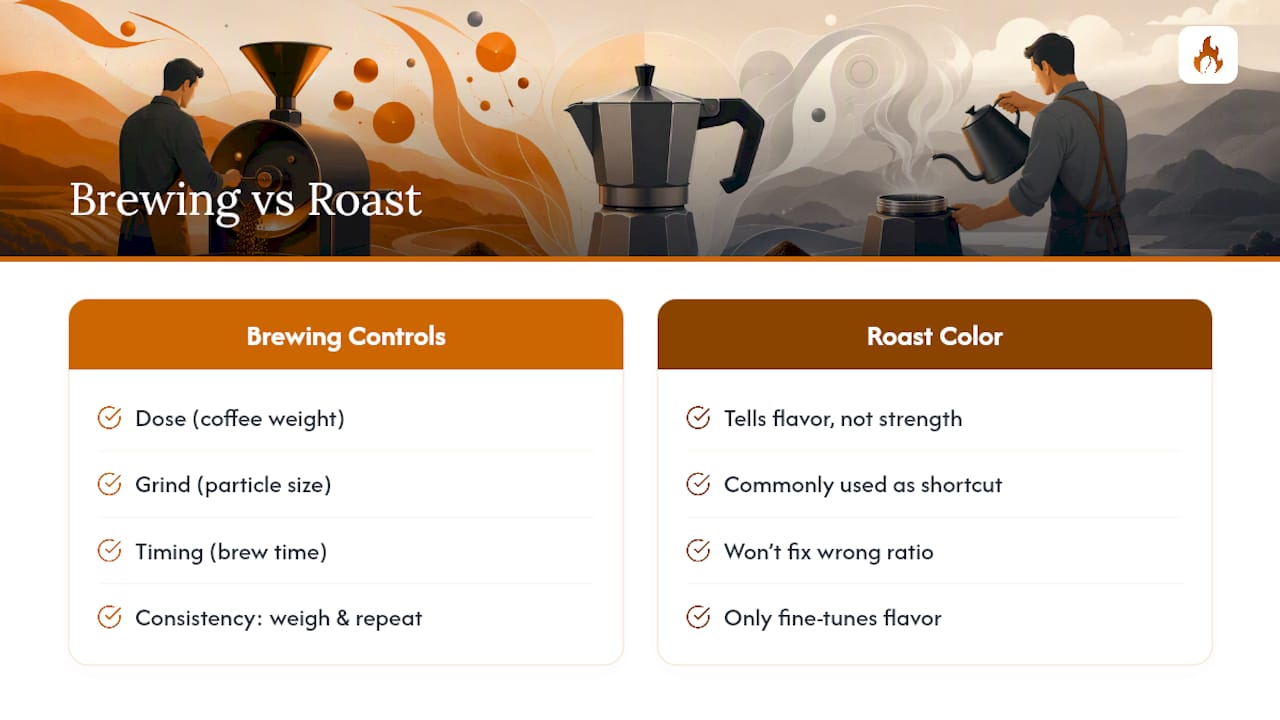
Here’s where conventional advice falls short: it treats “strong coffee” as a shopping problem instead of a brewing problem. You can buy the boldest bean on the shelf and still pull a weak, flat cup if your ratio is off or your water runs too cool. The reader who wants a reliably strong morning should prioritize the ratio and grind adjustments in this guide first, then let bean selection fine-tune the flavor on top of that foundation.
Measurement beats guessing every time. Weigh your coffee once, write down what worked, and repeat it. That’s the whole system.
— Tony
Get A Strong Cup Without The Guesswork: Try Safe Ground
Skip the trial and error. Safe Ground was roasted specifically for a bold, full-bodied profile that holds up in a moka pot, a strong drip brew, or a fine-grind French press, so you get intensity without babysitting every variable.
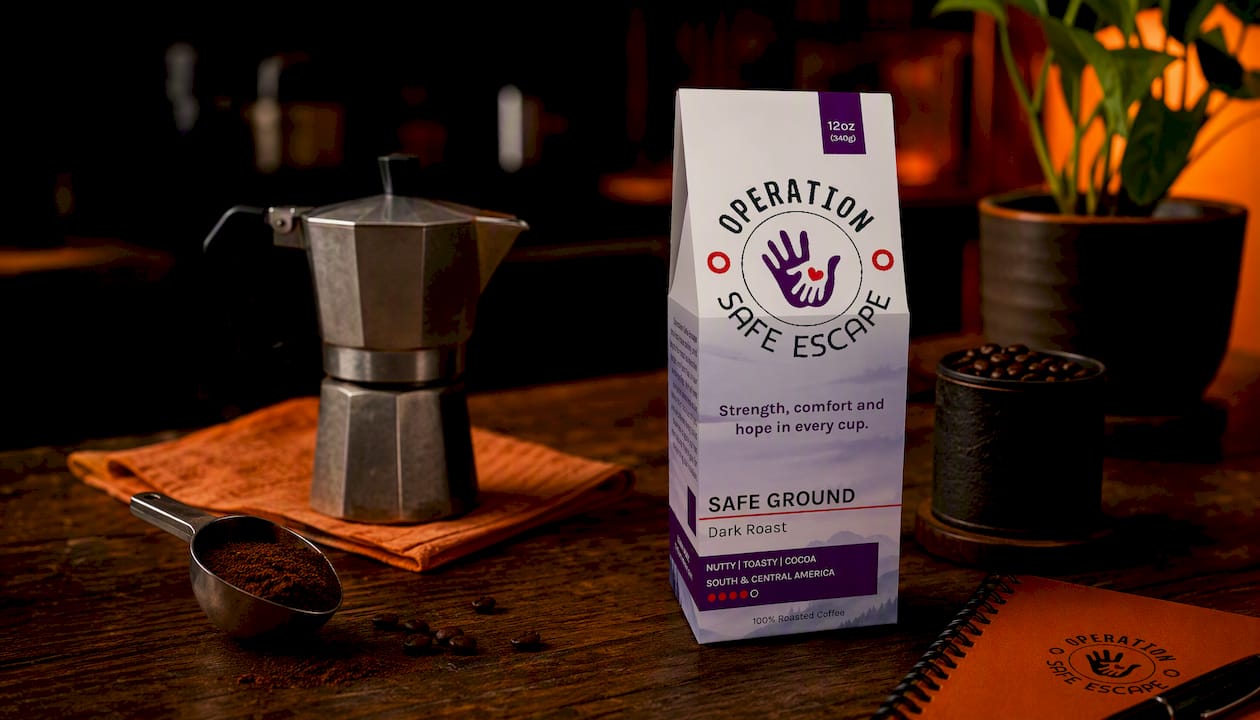
Two ways to serve it: run it through a moka pot at a 1:7 ratio for an espresso-style shot, or brew it as a strong drip at 1:15 for a bigger cup with real staying power through your morning. Some mission-driven blends back organizations protecting vulnerable people and strengthening communities.
Ready to brew your strongest morning yet? Order Safe Ground and set your ratio before your next pot.
Sources
- 9 Ways to Improve Your Morning Coffee — The Spruce Eats
- Best ground coffee reviewed — Food Network
- Choosing the Right Type of Morning Coffee for Maximum Benefits — ProCoffeeGear
Comments