
Photo Ready Wedding Coffee Bar Ideas That Serve 150–200 Guests

Two approaches work for a wedding coffee bar: a DIY self-serve station, or a professional barista cart. Pick DIY when budget matters most and your guest count is manageable; pick a barista cart when you want a polished guest experience and don’t want to manage logistics yourself. Either way, three things make it succeed: a concise menu, inclusive milk and decaf options, and styling that fits your day. Event coffee experiences are one resource worth knowing about as you plan.
TL;DR:
- A wedding coffee bar should have a concise menu with core drinks like espresso, drip coffee, and decaf, plus up to two signature options to streamline service.
- Space-wise, most stations require at least 4x3 feet and must be positioned near outlets, with quiet electric carts preferred in noise-sensitive venues.
- Staffing for a single barista comfortably services 150 to 200 guests in a 90-minute window, so plan for additional staff for larger guest lists.
- Budget options include DIY self-serve setups, which are cost-effective but demand management, or professional barista carts that offer consistent quality and less day-of stress.
- Styling and presentation, such as themed signage, favors, and lighting, are crucial for making the coffee station a photogenic and memorable part of the celebration.
Table of Contents
- Creative Coffee Bar Themes and Layout Ideas
- Menu Essentials and Signature Drink Ideas
- Setup Logistics: Space, Power, and Service Flow
- DIY vs Professional Barista Cart: Costs and Quantities
- Styling, Photography, and Guest Experience Add-Ons
- What The Flaming Bean Recommends for Event Coffee
- Coffee as Hospitality, Not Just Caffeine
- Order Your Wedding Coffee Through The Flaming Bean
- Sources
- FAQ
Creative Coffee Bar Themes and Layout Ideas
The best wedding coffee bars borrow a visual language from the rest of the celebration instead of looking like an afterthought bolted onto the reception. Once you settle on a theme, the menu, signage, and footprint tend to fall into place on their own.
Here are nine concepts that cover most wedding styles, along with the practical detail that makes each one work:
- Vintage cart. A repurposed antique cart or converted trailer with brass fittings and chalkboard signage. Footprint: 6x4 feet. Best during cocktail hour, when guests are milling around and want something to do with their hands.
- Modern minimalist. White or black linen-covered table, single large-format menu sign, no clutter. Footprint: 4x3 feet. Works during dessert service, when the focus should stay on the cake table nearby.
- Cozy lounge. Coffee station tucked next to a seating area with throw blankets and low lighting. Footprint: 8x6 feet including seating. Best for late-night service, when guests want to sit and talk instead of dance.
- Dessert pairing. Coffee station positioned directly beside the dessert table, menu written to complement specific pastries. Footprint: 5x4 feet. Runs during dessert hour, timed to the cake cutting.
- Brunch nook. Bright, airy setup with fresh flowers and pastry baskets, ideal for daytime weddings. Footprint: 6x4 feet. Serves best right after the ceremony or during a morning reception.
- Pour-over tasting bar. A slower, hands-on station where a barista walks guests through single-origin pour-overs. Footprint: 5x3 feet, one barista minimum. Best for cocktail hour when there’s time to linger.
- Cold-brew tap. A kegerator-style tap system dispensing cold brew on demand, great for summer and outdoor venues. Footprint: 4x3 feet. Works all afternoon, especially in warm climates.
- Signature drink kiosk. A single small stand serving just one or two custom drinks named after the couple. Footprint: 3x3 feet. Best positioned near the bar during cocktail hour.
- Espresso and affogato station. Espresso shots poured over vanilla ice cream, served as a dessert-time treat. Footprint: 5x4 feet. This pairing turns the coffee bar into deliberate dessert-time hospitality rather than a convenience station.
If your venue has tight space or strict vendor rules, combine two smaller concepts rather than forcing a large footprint into a corner. A minimalist table with one signature drink often reads just as intentional as an elaborate vintage cart, and it costs less to style. Ask your venue coordinator about outlet locations and floor load limits before you commit to a cart with wheels.
Menu Essentials and Signature Drink Ideas
A wedding coffee menu works best when it’s short enough to read in ten seconds and still covers what most guests actually want. Vendors and planners generally recommend a curated core menu built around five categories, with one or two signature drinks layered on top.
- Core menu template. Espresso drinks (latte, cappuccino, americano), drip coffee, decaf drip, cold brew, hot tea, and hot chocolate. That’s the full spread most caterers or DIY hosts need.
- Signature drink: the “I Do” Latte. Espresso, steamed milk, a shot of vanilla or caramel syrup, cinnamon dust on top. Swap vanilla for peppermint in winter.
- Signature drink: Bourbon Coffee (adults only). Drip coffee, a splash of bourbon, brown sugar syrup, whipped cream. Popular for late-night service near the bar.
- Signature drink: Iced Maple Cold Brew. Cold brew, maple syrup, oat milk, served over ice. A strong warm-weather or brunch option.
- Signature drink: Affogato. A shot of espresso poured tableside over vanilla ice cream. Minimal prep, maximum drama, and a natural fit for dessert hour.
- Milk and topping choices. Whole milk, oat milk, and almond milk cover most preferences; add caramel, vanilla, and hazelnut syrups plus whipped cream and cinnamon as toppings.
- Labeling. Small printed cards noting “dairy-free,” “decaf,” and “contains nuts” next to relevant items keep the line moving and prevent guests from having to ask.
Keep the signature drinks to two at most. A longer list looks generous on paper but slows down service and confuses guests standing in line trying to decide.
Setup Logistics: Space, Power, and Service Flow
Getting the coffee bar physically right matters as much as picking a pretty theme. Start with footprint: most stations need at least 4x3 feet of clear table space, plus room behind it for a barista or self-serve guest to move without bumping equipment.
Equipment checklist:
- Espresso machine (pro) or carafes and a drip brewer (DIY)
- Burr grinder, ideally with a hopper for volume
- Milk frother or steam wand
- Insulated carafes for backup hot water and pre-brewed coffee
- Cups, lids, stirrers, and napkins in matching sets
- A visible trash and recycling bin, placed at the end of the line, not the start
Power is where a lot of DIY setups run into trouble. A standard 110V outlet handles most home espresso machines and drip brewers, but a full-service cart with multiple appliances running at once can trip a breaker. A quiet, electric mobile cart running off a standard 110V outlet avoids the noise and fumes of a generator, which matters if your venue has noise restrictions or an outdoor ceremony nearby.
Pro Tip: Walk the space with your venue coordinator before booking anything, and ask specifically where the nearest outlet is. “Somewhere near the patio” has ruined more than one coffee bar plan.
Timing matters as much as placement. Vendors most often recommend running the cocktail hour and late-night windows, since that’s when guests want something warm in hand and aren’t tied to a seat. A brunch wedding flips this, with morning service taking priority instead.
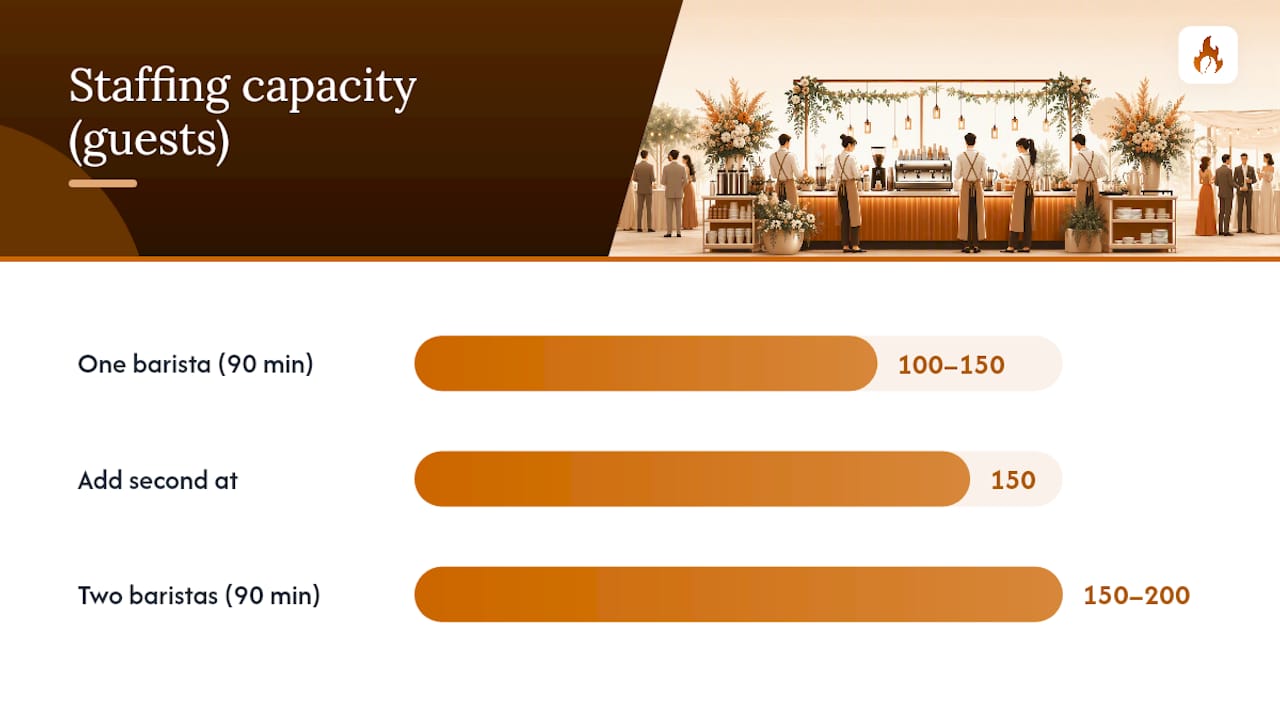
For staffing, one barista comfortably handles a line of 100 to 150 guests over a 90-minute window. Above that, add a second barista or a second station rather than making one person work faster. Splitting into two smaller stations, one for espresso drinks and one for drip and cold brew, keeps both lines shorter than a single station trying to do everything.
DIY vs Professional Barista Cart: Costs and Quantities
Choosing between DIY and a professional cart comes down to three factors: how much you’re willing to manage on the wedding day, your guest count, and your budget ceiling.
| Factor | DIY self-serve | Professional barista cart |
|---|---|---|
| Quality | Consistent for simple drinks, variable for espresso | Trained barista, consistent espresso and latte art |
| Staffing | You or a friend/family member manages it | Included with booking |
| Stress on the day | Higher, someone has to run it | Low, vendor handles setup and cleanup |
| Typical cost | Equipment and ingredient costs only | Packaged pricing, often per-guest or flat rate |
Pricing for a small professional espresso bar typically starts in the low hundreds up to around $500 for a basic package, and scales to $1,000 to $3,500 or more for a multi-hour experience with custom cups, signature drinks, and multiple baristas. Treat these as example ranges rather than fixed quotes, since pricing varies by region and vendor. The Flaming Bean’s event coffee catering guidance breaks down what typically drives cost up or down.
A single styled bar can comfortably serve 150 to 200 guests across a staggered 90 minute window before you need a second cart or barista.
Book your coffee vendor 4 to 8 weeks out for a standard date, and earlier if you want custom printed cups, since branded packaging has its own production lead time. Confirm your venue’s certificate of insurance requirements, power access, and waste handling rules before signing any contract.
Styling, Photography, and Guest Experience Add-Ons
A coffee bar earns its spot in the wedding album when it looks intentional and gives guests something to do besides wait for a drink.
- Favors and takeaway. Small bags of coffee beans with a printed thank-you tag, or a branded gift card tucked into place cards, both work as favors guests actually keep.
- Tasting flights. A small flight of three roasts lets guests sample and compare without adding significant staffing, since it’s essentially self-serve with a few labeled pitchers.
- Latte-art demos. If you’ve hired a barista, ask if a quick latte-art demo fits into the service window. It’s a five-minute moment guests will photograph and remember.
- Signature-cup decorating. A small station with stamps or markers lets guests personalize their own cup, which doubles as a low-cost activity during slower stretches.
- Lighting and placement. Position the bar where natural light hits the counter, and keep the backdrop simple. A cluttered background behind a beautifully styled cart photographs poorly.
- Accessibility. Keep signage large and clear, mark dairy-free and decaf options plainly, and leave enough aisle width for wheelchair access on both sides of the table.
Pairing a light dessert spread near the bar, like the seasonal ideas in Wild Foodz’s event catering guide, rounds out the station without adding much complexity.
What The Flaming Bean Recommends for Event Coffee
Roast selection matters more than most couples expect. Event-focused roasters generally suggest sticking to two roast levels, one lighter “house” option and one bold “evening” option, to cover most preferences without overloading the station. The Flaming Bean’s Evening Roast works well as that bold, smooth pour for late-night or dessert service.
A short checklist to hand any coffee vendor:
- Final guest count and expected drink split (espresso vs drip vs cold brew)
- Preferred service windows (cocktail hour, dessert, late-night, brunch)
- Venue power access and any generator restrictions
- Certificate of insurance requirements
- Deadline for custom cup or signage artwork
Quiet, electric carts remain the standard recommendation for noise-sensitive venues, and they photograph better than a cart trailing a generator cord across the lawn.
Coffee as Hospitality, Not Just Caffeine
A coffee bar works because it gives guests a reason to linger and talk, not just a reason to stay awake through the last dance. The best ones we’ve seen treat coffee as a moment of hospitality, something poured with intention, not dispensed from a machine in the corner. Pick the service model that matches what actually matters to you on the day, whether that’s budget, polish, or simply not having to think about it.
— Tony
Order Your Wedding Coffee Through The Flaming Bean
Skip the rental hunts and equipment logistics. Some companies offer barista staffing, curated roasts, cups, and syrups delivered directly to your venue, providing a polished coffee bar experience without managing a single carafe yourself.
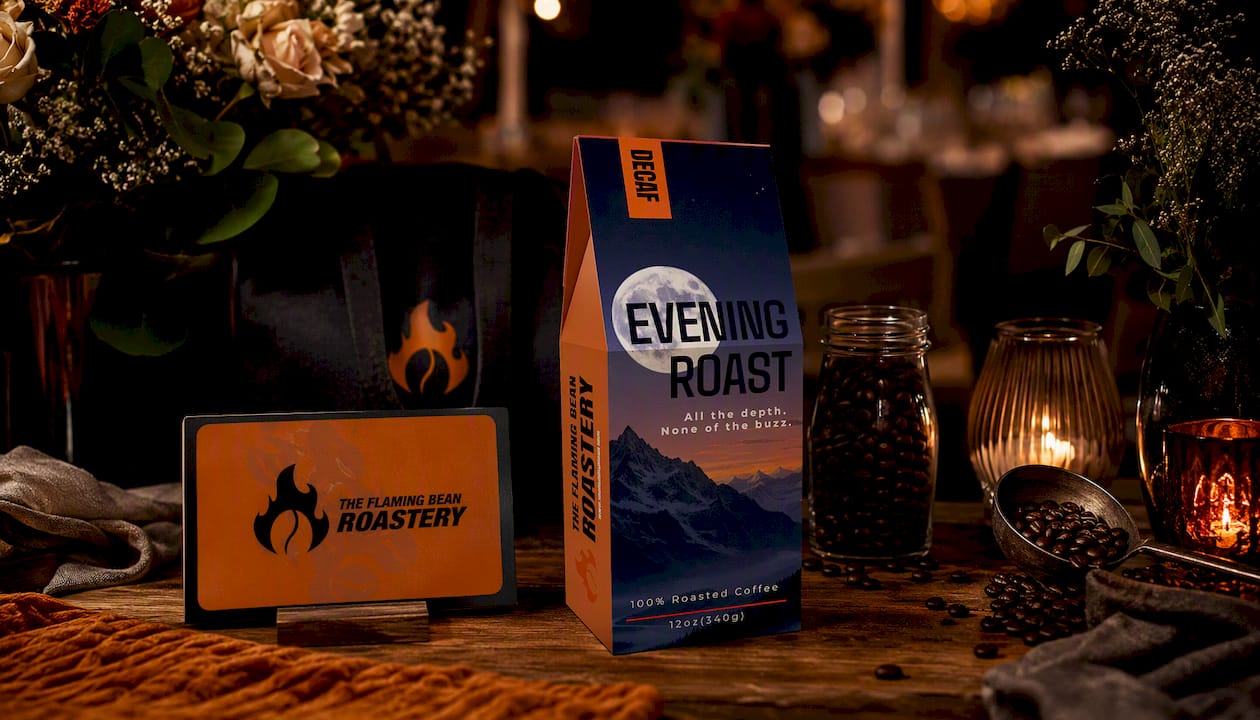
For an evening reception or a late-night send-off, our Evening Roast delivers a smooth, bold cup that pairs well with dessert or a bourbon coffee signature drink. If you’d rather keep it simple, a Flaming Bean Coffee Gift Card makes a thoughtful favor or registry add-on for guests who love good coffee as much as you do. Booking lead times for event coffee typically run several weeks out, so reach out early to lock in your date. Browse our full coffee lineup to start planning your wedding coffee bar today.
Sources
- Wedding Coffee Bar Menu & Setup Ideas (Plus Quiet Outdoor Cart Rental) | Latte’Da
- You’re Going to Want One of These Coffee Carts for Your Wedding | The Knot
- Wedding Coffee Cart Guide: Everything to Know (2026)
- Wedding coffee bar guide and ideas | Everglow Weddings
FAQ
How Do I Set Up a Coffee Bar at a Wedding?
Start with a clear footprint (roughly 4x3 to 6x4 feet), confirm power access with your venue, and choose a service window like cocktail hour or dessert. Add a short menu, milk and decaf options, and simple signage, then decide whether you’re running it yourself or hiring a barista.
How Much Coffee Do I Need for 100 Guests?
Plan for servings based on guest interest since not every guest will order coffee. A single styled bar comfortably serves 150 to 200 guests across a staggered 90 minute window, so 100 guests fits well within one station’s capacity.
What Is the Best Way to Serve Coffee at a Wedding?
The best approach pairs a concise, well-labeled menu with a styled setup during a high-traffic window like cocktail hour or late-night. Vendors generally recommend locally roasted beans and house-made syrups to elevate the experience beyond a basic drip setup.
What Should a Wedding Coffee Bar Include?
A solid coffee bar includes drip and decaf coffee, espresso drinks, cold brew, milk and dairy-free options, and one or two signature drinks. Add clear labeling for allergens, plus styling touches like signage and matching cups to make it photo-ready.
Does The Flaming Bean Offer Coffee for Weddings?
Yes, The Flaming Bean supplies event coffee including curated roasts like Evening Roast, which works well for dessert or late-night service. Current pricing and event details are available directly on The Flaming Bean’s site.
Comments