
What Smooth Coffee Means and How to Brew a Better Cup

“Smooth” coffee means a cup with low harsh bitterness, a creamy body, and balanced sweetness that lands without any sharp bite on the back of your tongue. It’s the opposite of a mouth-puckering, ashy, or thin cup. You can check for it right now with your current mug.
Try this: take a sip, hold it for a second, and notice where the flavor lands. A smooth cup feels rounder, almost velvety, and fades into a mellow aftertaste instead of a lingering sting.
- Mouthfeel: does it feel creamy or watery/thin?
- Bite: is there a sharp, tongue-curling bitterness on the back edge?
- Aftertaste: does it fade gently or linger with an ashy or sour edge?
- Temperature test: let it cool slightly. Harshness that was masked by heat often shows up more once the cup drops a few degrees, while a genuinely smooth coffee stays pleasant even as it cools.
Pro Tip: If your coffee tastes fine hot but turns bitter or sour as it cools, that’s usually an extraction problem, not a bean problem. Note it before you blame the beans.
Key Takeaways
Smooth coffee means low harsh bitterness, a creamy body, and balanced sweetness that leaves a gentle aftertaste instead of a sharp bite.
| Point | Details |
|---|---|
| Check mouthfeel and aftertaste | Sip, note any bite on the back of the tongue, and see how fast the aftertaste fades. |
| Choose medium roast, low-acid origins | Brazilian and Colombian beans in a medium roast offer the most reliable smooth starting point. |
| Adjust one brewing variable at a time | Grind coarser for bitterness, finer for sourness, and change only one thing per pot. |
| Favor full-immersion brewing | French press and cold brew build body and cut acidity better than short-contact methods. |
| Start with The Flaming Bean’s Evening Roast | Its mellow, approachable profile matches the smooth cup this guide describes, with Safe Ground as a gentle mission-driven alternative. |
Table of Contents
- What Does Smooth Coffee Mean in Terms of Flavor?
- How Is Smooth Coffee Different From Bitter, Flat, or Bright Coffee?
- What Makes Coffee Taste Smooth?
- Which Brewing Variables Change How Smooth Coffee Tastes?
- How Do You Make Your Coffee Smoother Right Now?
- Which Beans and Roasts Are Known for Smoothness?
- Is There a Foolproof Starter Recipe for a Smooth Cup?
- Why Does “Smooth” Mean Something Different to Every Drinker?
- Try a Smoother Cup From The Flaming Bean
- Sources
What Does Smooth Coffee Mean in Terms of Flavor?
Smoothness is not one flavor. It’s the result of five sensory dimensions lining up in a specific way: bitterness, acidity, body, sweetness, and aftertaste. When all five sit in a comfortable middle range instead of spiking at one extreme, the brain reads the cup as “smooth.”
Bitterness is the most obvious culprit. A little bitterness is normal and even pleasant, similar to dark chocolate. Too much, and it tastes burnt or medicinal. Acidity works the same way. A touch of brightness adds liveliness, but too much reads as sour or “sharp,” the kind of sensation that makes your jaw tighten. Body refers to weight and texture. Thin coffee feels watery; smooth coffee has a fuller, sometimes creamy texture that coats the tongue instead of just passing over it. Sweetness, meanwhile, is what rounds everything out. Coffee doesn’t taste sugary, but natural sugars developed during roasting create notes like caramel or dried fruit that soften the sharper edges of acid and bitterness.
Smooth coffee often carries tasting notes like milk chocolate, roasted nuts, caramel, or a soft creamy finish with almost no aftertaste sting. CoffeeTrove describes this profile as coffee that goes down easily, without harshness, astringency, or sharp edges, and ties it most often to medium roasts and Brazilian coffees.
| Sensory Axis | What “Smooth” Feels Like | What the Opposite Feels Like |
|---|---|---|
| Bitterness | Mild, chocolate-like, fades quickly | Sharp, burnt, lingers on the back of the tongue |
| Acidity | Soft, rounded, barely noticeable | Bright, sharp, almost tangy or sour |
| Body | Creamy, full, coats the mouth | Thin, watery, disappears fast |
| Sweetness | Present as caramel or dried fruit notes | Flat, absent, or masked by bitterness |
| Aftertaste | Mellow, short, pleasant | Harsh, sour, or ashy and long-lasting |
How Is Smooth Coffee Different From Bitter, Flat, or Bright Coffee?
These four words get used interchangeably by casual drinkers, but they describe distinct problems, and mixing them up leads to the wrong fix. Bitter coffee has an overwhelming sharp, sometimes burnt taste that usually comes from over-extraction or a roast pushed too dark. Flat coffee lacks any real character. It’s not offensive, just dull and one-dimensional, often the result of stale beans or under-extraction that pulled almost nothing interesting out of the grounds. Bright coffee has pronounced acidity, the kind of tangy, lively quality you’d get from a light-roast Ethiopian or Kenyan bean. Brightness isn’t a flaw. It’s a style choice, prized in pour-over brewing for showing off delicate fruit and floral notes.
Smooth sits in its own lane. A coffee can be smooth without being flat, since it still carries sweetness and defined tasting notes; it just avoids harsh bitterness and sharp acidity. And a coffee can be bright without losing smooth texture, which is exactly what happens with a well-made light-roast pour-over that’s clean and lively but never rough on the palate.
- Bitter: sharp, sometimes burnt, dominates the back of the tongue
- Flat: dull, low character, little sweetness or acidity to notice
- Bright: tangy, lively acidity, often fruity or floral
- Smooth: balanced bitterness and acidity, creamy body, mellow finish
Pro Tip: Reach for brightness when you want clarity and complexity, like a single-origin pour-over meant to showcase specific fruit notes. Reach for smoothness when you want a dependable, easy daily drinker, like a French press or cold brew you’ll drink every morning without thinking twice.
What Makes Coffee Taste Smooth?
Smoothness starts long before water ever touches the grounds. Origin, processing, and roast level all set the ceiling for how smooth a coffee can taste, and no brewing technique can fully undo a bean that starts out wrong for the job.
Origin and variety matter first. Brazilian and Colombian coffees are consistently cited as smooth, approachable options because their growing conditions favor naturally sweeter, lower-acid Arabica beans with nutty, chocolatey character rather than sharp fruit-forward acidity. The Proper Kitchen notes that these origins, paired with medium roasting, frequently produce the low-bitterness, creamy-aftertaste profile people mean when they say “smooth.” You can dig deeper into how regional flavor differences shape a cup before buying beans blind.
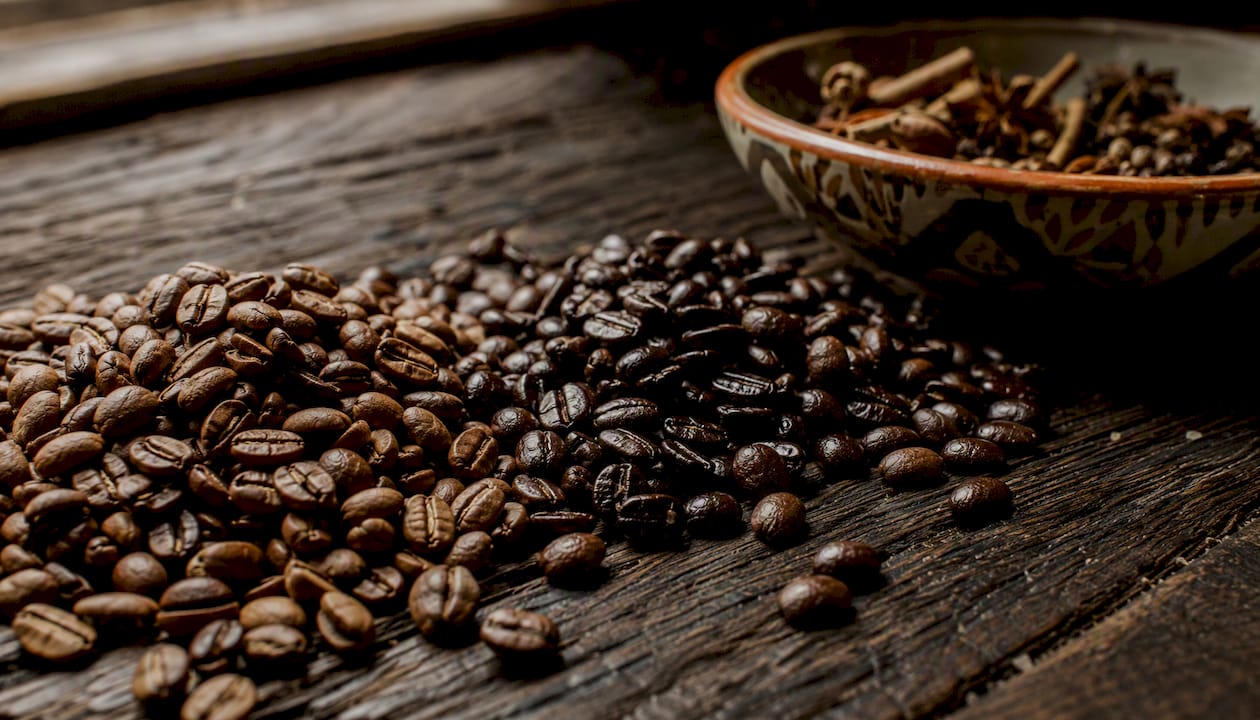
Processing method is the next lever. Washed coffees tend toward cleaner, brighter profiles since the fruit is removed before drying. Natural and honey-processed coffees, which dry with more fruit pulp intact, often develop heavier body and more pronounced sweetness, both of which read as “smoother” in the cup.
Roast level is where most home drinkers get it backward. Many assume darker automatically means smoother, since dark roasts taste less acidic. In reality, medium roasts usually hit the smoothness sweet spot best. They develop enough sugar caramelization to soften acidity and build body, without crossing into the burnt, ashy bitterness that overly dark roasts introduce. Push the roast too far and you trade “smooth” for “charred,” which is a different flavor entirely, not a smoother version of the same one.
- Look for tasting notes like chocolate, caramel, nut, or brown sugar on the bag.
- Favor medium roast over dark roast if smoothness, not intensity, is the goal.
- Check the roast date. Beans past their peak (generally beyond 4 to 6 weeks) lose the sweetness that balances bitterness.
- Consider why some coffees taste chocolatey as a shortcut for spotting smooth-leaning beans on a shelf.
Which Brewing Variables Change How Smooth Coffee Tastes?
Even a great bean can taste harsh if the brewing goes wrong, and a mediocre bean can taste rounder than expected with the right technique. Four variables do most of the work: grind size, extraction time, water temperature, and brew ratio.
Grind size and extraction time work together. A grind that’s too fine, combined with too much contact time, over-extracts the coffee and pulls out bitter compounds that dominate the cup. A grind that’s too coarse, or too little contact time, under-extracts and leaves the coffee sour, thin, or flat. Smoothness lives in the middle: enough extraction to develop sweetness and body, not so much that bitterness takes over. The Coffee Institute points to this balance between roast profile and extraction as one of the core levers behind perceived acidity and body in the finished cup.
Water temperature matters more than most home brewers realize. Water that’s too hot (above 205°F) accelerates extraction and can pull bitter compounds out faster than the balancing sweetness. Water in the 195 to 205°F range tends to extract more evenly. A few degrees cooler can specifically soften a cup that’s tasting sharp.
Brew ratio, meaning how much coffee you use per ounce of water, controls concentration and, indirectly, harshness. Too little coffee for too much water forces you to over-extract just to get flavor, which drags bitterness along with it.
Brew method changes the whole game. Full-immersion methods like French press and cold brew consistently produce smoother, rounder cups because the grounds steep evenly and the metal or coarse filter allows more oils through, building body. Cold brew in particular is tied to reduced perceived acidity compared with hot-brew methods, since the cold extraction process pulls fewer of the acidic compounds that get released at high temperatures. Pour-over and Aeropress with short contact times, by contrast, tend to emphasize clarity and brightness rather than body, which is exactly why baristas reach for them when acidity is the point, not the problem.
- Pick one variable to change, not three at once.
- If bitter, try a coarser grind first.
- If sour or thin, try a finer grind or longer contact time.
- If still harsh after grind adjustments, drop water temperature by 3 to 5 degrees.
- If nothing else works, switch to a full-immersion method like French press or cold brew.
Pro Tip: Change one variable per pot. If you adjust grind, temperature, and ratio all at once, you’ll never know which change actually fixed the cup, and you’ll end up guessing again next time.
For a deeper technical walkthrough, coffee extraction explained breaks down exactly what’s happening chemically at each stage of the brew.
How Do You Make Your Coffee Smoother Right Now?
Here’s a reliable, repeatable starting recipe if you just want a smoother cup today without overhauling your whole setup.
- Use a medium roast, medium-fine grind (slightly coarser than table salt).
- Use a 1:16 coffee-to-water ratio (roughly 22 grams of coffee to 350 grams of water for a standard mug).
- Heat water to about 200°F, just off a full boil.
- Brew with a French press, steeping for 4 minutes before plunging.
- Taste immediately, and again once it cools for a minute, checking for lingering harshness.
If that still doesn’t land right, troubleshoot by symptom:
- Too bitter: grind coarser, shorten steep time, or lower water temperature slightly.
- Too bright or sour: grind finer or extend contact time by 30 to 60 seconds.
- Thin, watery body: use more coffee relative to water, or switch to a full-immersion method.
- Harsh aftertaste that won’t go away: check the roast date. Stale beans often taste flat up front and rough on the finish.
Quick fixes work too, when you don’t have time to dial in a recipe. A splash of milk or cream physically coats the palate and blunts bitterness and acidity alike. Letting a too-hot cup cool for a minute can reveal (and sometimes soften) harshness that heat was masking. And keeping cold brew concentrate on hand gives you an instantly smoother option any time your hot brew comes out rough, since cold extraction sidesteps a lot of the acid and bitterness that hot water pulls out fast.
If bitterness is your recurring problem specifically, these fixes for bitter coffee go deeper into troubleshooting than a general smoothness guide can.
Which Beans and Roasts Are Known for Smoothness?
Brazilian and Colombian coffees show up again and again in smooth-coffee recommendations, and there’s a reason beyond habit. Brazilian beans, often grown at lower altitudes, tend to develop nutty, chocolatey notes with soft acidity. Colombian beans usually bring a bit more body and a caramel sweetness, while still landing on the gentle side of the acidity scale. CaffeineAdvisor recommends exactly this combination, medium roast plus chocolate, nut, or caramel notes, brewed with simple methods like drip or French press, as the most approachable entry point for new coffee drinkers.
The Flaming Bean’s Evening Roast is built for this exact lane: a mellow, approachable cup meant for winding down rather than jolting you awake, with the low-bitterness, easy-drinking character that defines “smooth” in the first place. Safe Ground, one of the mission-driven blends, is similarly positioned as a gentle daily cup, so readers who want a dependable, non-aggressive coffee that also supports a cause have a clear option. For contrast, Abyssal leans bolder and more adventurous, proof that “smooth” doesn’t mean “boring.” It’s a roast for drinkers who want more depth and intensity while still avoiding harsh, ashy bitterness.

| Bean/Roast Type | Typical Flavor Notes | Why It Reads as Smooth |
|---|---|---|
| Brazilian, medium roast | Chocolate, nut, mild sweetness | Low natural acidity, soft body |
| Colombian, medium roast | Caramel, light fruit, balanced body | Sweetness offsets bitterness |
| Evening Roast (The Flaming Bean) | Mellow, easy-drinking | Designed as an approachable, gentle daily cup |
| Safe Ground (The Flaming Bean) | Gentle, inoffensive | Positioned for smooth flavor and daily drinkability |
| Abyssal (The Flaming Bean) | Bold, deep, adventurous | Depth without crossing into harsh bitterness |
When buying, check three things: the roast date (fresher beans carry more of the sweetness that balances bitterness), whole-bean versus pre-ground (whole bean stays fresher longer and grinds right before brewing pull more flavor), and the tasting notes on the bag. Words like “chocolate,” “caramel,” “nutty,” or “creamy” are strong smoothness signals. Words like “wine,” “citrus,” or “floral” usually point toward a brighter, more acidic profile instead.
Is There a Foolproof Starter Recipe for a Smooth Cup?
If you’re new to dialing in your own coffee, start here rather than experimenting blind.
The recipe: medium-roast Brazilian or Colombian beans, ground medium-fine, brewed at a 1:16 ratio with water around 200°F, using a French press with a 4-minute steep. This combination works because every variable is pulling in the same direction. The bean origin already has low acidity and natural sweetness. The medium roast preserves that sweetness without tipping into burnt bitterness. The French press’s full immersion and metal filter let more body through than a paper filter would, adding the creamy mouthfeel that defines smoothness. And the moderate water temperature avoids the aggressive extraction that drags bitter compounds along with the good stuff.
Run this checklist once your cup is brewed:
- Does it feel creamy rather than watery in the mouth?
- Is there any sharp bite on the back of the tongue? There shouldn’t be much.
- Does the aftertaste fade within a few seconds instead of lingering?
- Can you taste a hint of sweetness, chocolate, or caramel underneath everything else?
- If yes to all four, you’ve nailed a smooth cup. Note your exact grind and ratio so you can repeat it.
- If it’s still bitter, grind slightly coarser next time.
- If it tastes thin, add a touch more coffee to the ratio.
Why Does “Smooth” Mean Something Different to Every Drinker?
Smoothness isn’t a universal finish line. It’s a moving target depending on who’s holding the cup.
For beginners, smooth usually just means “not scary.” A first coffee experience that’s harsh or bitter can turn someone off the drink entirely, so a gentle, chocolate-forward medium roast is the right call almost every time. For specialty drinkers chasing complexity, smoothness sometimes takes a back seat on purpose. A bright, acidic Ethiopian pour-over isn’t a mistake. It’s a different goal, clarity and character over comfort, and forcing that coffee into a “smooth” mold would actually ruin it.
For people managing acid reflux or a sensitive stomach, smoothness stops being a preference and starts being a practical need. Epicurious highlights that low-acid coffees can deliver a round, smooth texture without the bitterness that often gets confused for acidity, and cold brew shows up repeatedly as the gentler option here since it tends to extract measurably less acidity than hot brewing methods.
If you’re a beginner, start with the origin and roast guidance a few sections up. If you’re brewing for a sensitive stomach, prioritize cold brew and skip the darker, more acidic light-roast options. If you’re already deep into specialty coffee, treat this guide as a baseline for your “easy” cups and save the bright pour-overs for when you want something more demanding.
Try a Smoother Cup From The Flaming Bean
If you’ve read this far, you already know smoothness comes down to the right bean, the right roast, and the right brew method working together, and that’s exactly what The Flaming Bean builds into its approachable lineup instead of leaving you to guess.
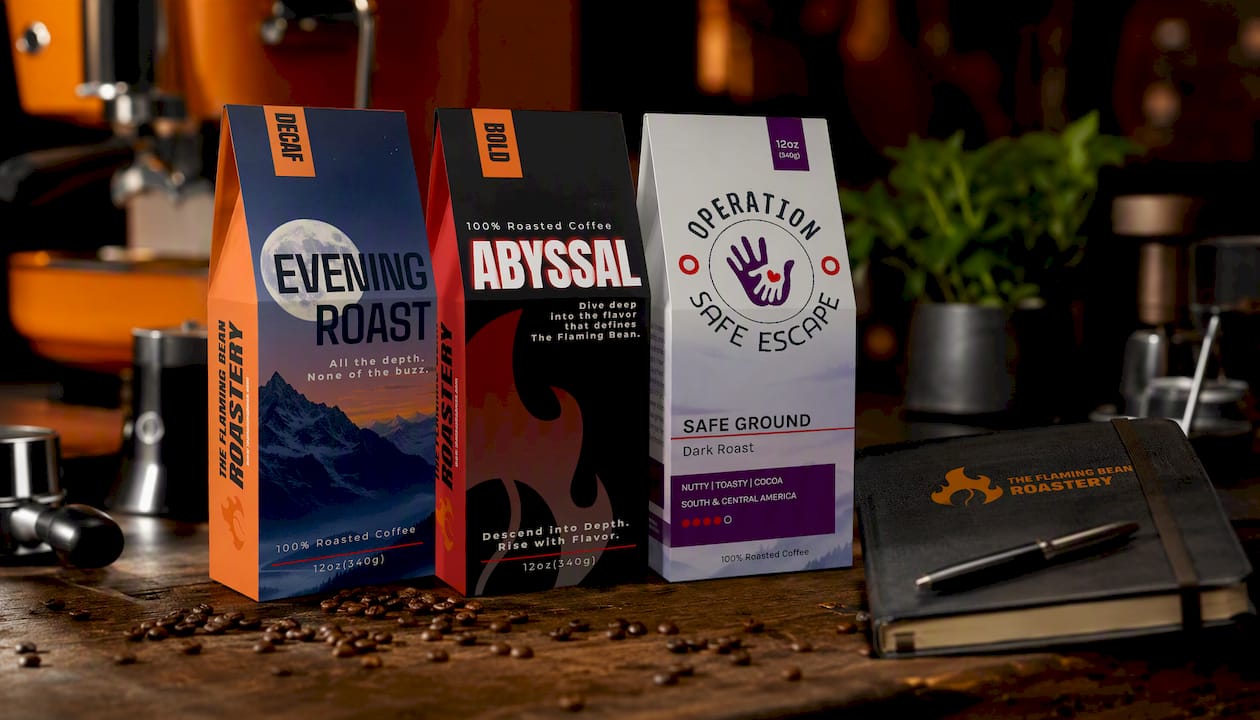
Evening Roast is the clearest match for everything covered above: a mellow, low-bitterness cup designed for easy, everyday drinking. Safe Ground offers that same gentle, inoffensive character while directing part of its proceeds toward organizations focused on protecting vulnerable individuals, so a smooth daily cup can also carry a little more purpose. If you want the same approachable foundation with more depth, Abyssal brings bolder character without tipping into harshness.
For the smoothest results with any of these three, brew with a French press or cold brew, both full-immersion methods that build body and dial down bitterness the way this guide describes. Pick a bag, check the roast date on arrival, and dial in the 1:16 ratio from the recipe above. If you like what you taste, a coffee subscription keeps fresh beans arriving before your current bag runs stale, which is half the smoothness battle right there.
Sources
- The Ultimate Guide to Discovering the Smoothest Type of Coffee - The Proper Kitchen
- Smooth in Coffee - Tasting Notes Guide | CoffeeTrove
- Best 5 Coffee for Beginners: Easy-Drinking & Approachable Flavors | CaffeineAdvisor
- The Best Low-Acid Coffee | Epicurious
- Best Low Acid Stomach Friendly Coffee Updated: July 2026 | DropOfDrink
Ready to taste the difference for yourself? Browse the full roast lineup at The Flaming Bean and start with whichever profile matches the smooth cup you’re after.
Comments