
What Is a Retail Coffee Brand Launch? Your 2026 Guide

A retail coffee brand launch is the process of bringing a coffee brand to market by combining product development, branding, and sales channels into one coordinated strategy. This is not just about sourcing great beans. It is a consumer packaged goods (CPG) market entry that requires brand identity, production decisions, distribution planning, and customer engagement to work together from day one. The Flaming Bean is a strong example of how purpose, product quality, and community can anchor a brand that resonates across both physical and digital retail. Entrepreneurs who treat a coffee launch as a full business system, not just a roasting project, build brands that last.
What are the essential steps for launching a retail coffee brand?
A coffee brand launch follows a clear sequence. Skipping steps early creates expensive problems later.
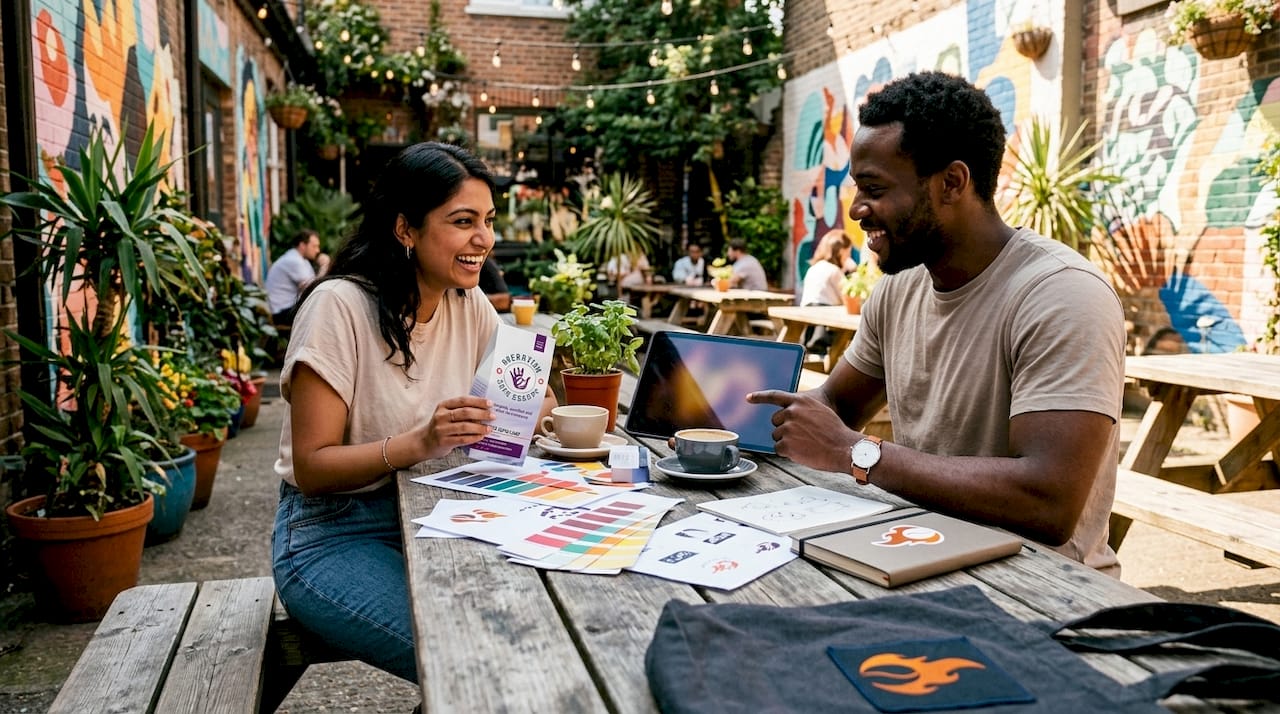
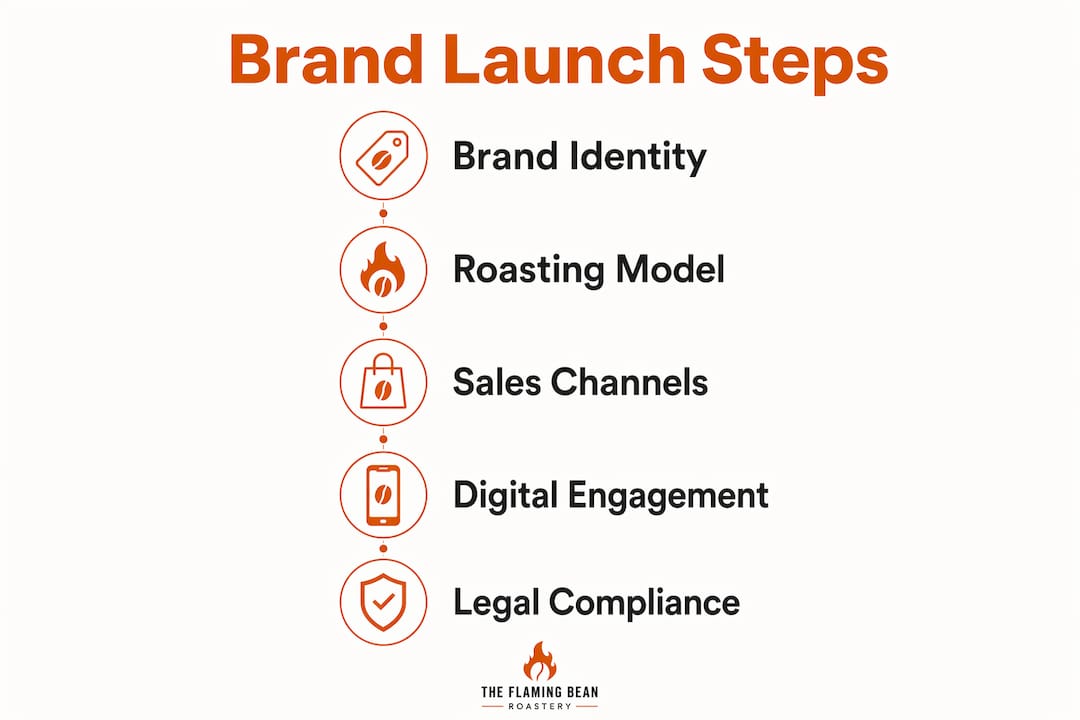
1. Build your brand identity first. Your name, logo, and packaging communicate your values before a single cup is poured. Packaging design is especially critical in retail because it is the first thing a shopper sees on a shelf. Study custom coffee branding examples before committing to a visual direction.
2. Choose your roasting model. You do not need to own a roaster to launch. OEM and private label roasting let new brands launch with low capital of approximately $200–$320 USD by outsourcing production while focusing on branding. That low barrier means you can test the market before committing to equipment.
3. Define your sales channels. Most brands start with one channel and expand. Your options include a physical café, retail bag sales, wholesale accounts, and direct-to-consumer (DTC) e-commerce. Each channel has different margin profiles and customer relationships.
4. Set up digital customer engagement. Loyalty programs and email lists are not optional extras. Digital loyalty platforms enable data collection that is crucial for scaling alongside physical stores. Building that data asset from launch day gives you a significant advantage.
5. Handle legal and regulatory requirements. Register your business entity, secure food handling permits, and confirm labeling compliance with FDA guidelines for packaged coffee sold in retail.
Pro Tip: Register your brand name and logo as trademarks before your launch date. Coffee is a crowded market, and protecting your identity early costs far less than a rebrand later.
How do modern business models shape retail coffee brand launches?
The most successful new coffee concepts focus on simplicity and speed. Beverage-focused outlets outperform complex traditional cafés because they reduce operational friction and serve more customers per hour. That insight should shape how you design your business from the start.
A hybrid revenue model gives new brands the most stability. A typical retail coffee revenue mix looks like this:
| Revenue stream | Share of total revenue |
|---|---|
| Café drink sales | 60% |
| Retail bag sales | 15% |
| Wholesale accounts | 25% |
That split shows why café operations anchor the business. Retail bags and wholesale accounts build on top of a strong service operation, not the other way around.
Physical retail spaces serve as the primary brand identity touchpoint. Brands use their shops as the first interaction point, with packaged goods enabling broader reach rather than replacing the in-person experience. A customer who discovers your brand in a café is far more likely to buy your retail bag at a grocery store.
Modular, capital-efficient setups like prefabricated coffee stands accelerate growth. They cost less to build, open faster, and can be replicated in new locations without the overhead of a full café buildout. For entrepreneurs watching cash flow, this model reduces risk while proving the concept.
DTC e-commerce adds another layer. Direct-to-consumer brands adopt short roast-to-ship windows of just a few days to deliver maximum freshness. That freshness advantage is real and measurable compared to retail inventory that may sit in a warehouse for weeks.
Pro Tip: Start with one physical location or a strong DTC channel before adding wholesale. Proving demand in one channel makes wholesale conversations with buyers much easier.
What marketing strategies maximize impact in retail coffee brand launches?
Marketing a new coffee brand requires you to build loyalty before you build reach. Reach without loyalty produces one-time buyers. Loyalty produces repeat customers who also recruit their friends.
The numbers support this. 73% of Dutch Bros’ transactions now occur via digital loyalty programs. That figure shows how central direct consumer connections are to retail coffee success at scale.
Effective retail coffee marketing strategies include:
- Digital loyalty programs that collect purchase data and enable personalized offers
- Subscription models that generate recurring revenue and reduce customer acquisition costs
- In-store experience design that turns first-time visitors into regulars
- Packaging storytelling that communicates your brand values on every shelf
- Omnichannel presence across your café, website, and retail partners
Subscription-first models reduce customer acquisition costs, generate recurring revenue, and increase customer lifetime value for online coffee brands. A subscriber who receives your coffee every two weeks is worth far more over time than a customer who buys once.
Community building is the long game. A coffee brand that builds a lasting community creates advocates who market on your behalf. This is especially powerful for purpose-driven brands like The Flaming Bean, where blends like Safe Ground and Mission Fuel connect customers to causes they care about.
“Launching a retail coffee brand today means shifting focus from in-house production to adding value through branding and customer experience, leveraging available roasting partnerships.”
Omnichannel presence matters because coffee buyers shop in multiple places. A customer might discover you on Instagram, buy a bag at a local market, and then subscribe online. Each touchpoint should feel consistent and reinforce the same brand story.
What are practical cost and logistics considerations for new retail coffee brands?
Cost control separates brands that survive their first year from those that do not. The good news is that the coffee industry now offers more ways to launch lean than ever before.
OEM and private label roasting is the most practical entry model for most new brands. Outsourcing production to a specialist lets you focus on branding and sales while keeping startup costs low. The capital required to get your first bags to market can be as low as $200–$320 USD. That is a fraction of what a commercial roaster costs to purchase and install.
Before you invest in roasting equipment, secure your wholesale accounts first. Experienced coffee entrepreneurs recommend locking in 3–5 anchor wholesale accounts with 200+ lbs of weekly orders before buying a roaster. Stable contracts create predictable cash flow. Predictable cash flow justifies equipment investment.
Entrepreneurs often overlook several cost categories:
- Shipping and fulfillment fees for DTC orders
- Platform fees on e-commerce marketplaces
- Sample and quality testing costs before launch
- Label printing and compliance review
The trade-off between owning your roasting and outsourcing it comes down to where your competitive advantage actually lives. If your strength is branding, storytelling, and customer relationships, outsource the roasting. If your strength is craft and process control, owning the roast makes sense. Most first-time brand founders are better served by a co-roasting partnership that lets them grow without tying up capital in equipment.
Pro Tip: Negotiate minimum order quantities with your roasting partner before launch. Lower minimums let you test multiple SKUs without overcommitting to inventory that may not sell.
Key Takeaways
A successful retail coffee brand launch requires a coordinated system of brand identity, production partnerships, multi-channel distribution, and digital customer engagement working together from the first day.
| Point | Details |
|---|---|
| Brand identity comes first | Name, packaging, and story must be clear before production or sales begin. |
| OEM roasting lowers the barrier | Outsourcing production keeps startup costs as low as $200–$320 USD. |
| Hybrid revenue models add stability | Layering café sales, retail bags, and wholesale creates a more resilient business. |
| Digital loyalty drives repeat sales | Loyalty programs collect data and build the customer relationships that fuel long-term growth. |
| Secure wholesale before buying equipment | Lock in 3–5 anchor accounts with consistent weekly volume before investing in a roaster. |
What I have learned about launching a coffee brand the right way
The biggest mistake I see new coffee entrepreneurs make is falling in love with the product before they have a business model. Great coffee is the price of entry. The brand, the customer experience, and the revenue mix are what actually determine whether you survive year two.
Hybrid models work. A physical location builds trust and identity in a way that no website can fully replicate. But a DTC channel and a wholesale account extend your reach beyond the neighborhood. Brands that combine all three from the start grow faster and weather slow seasons better than single-channel operators.
Roasting partnerships changed the game for new entrants. You no longer need to own a roaster to launch a credible, quality brand. What you need is a clear story, a consistent product, and a plan to reach customers where they already shop. The operational simplicity that comes from outsourcing production lets you focus your energy on the things that actually build a brand.
Consumer preferences are shifting toward freshness and customization. Entrepreneurs who build their DTC channel around short roast-to-ship windows and subscription options are meeting that demand directly. The brands that win in the next few years will be the ones that make customers feel known, not just served.
— Tony
The Flaming Bean and what it means for your launch
The Flaming Bean was built on the belief that great coffee and meaningful impact belong together. If you are planning a retail coffee brand launch and want a model that combines quality, community, and purpose, The Flaming Bean shows what that looks like in practice.
The Safe Ground blend is a great example of how a purpose-driven product creates a deeper customer connection than a standard SKU ever could. Customers who buy Safe Ground know their purchase supports organizations protecting vulnerable people. That story sells itself. Whether you are looking for branding inspiration, roasting partnership ideas, or a community to learn from, The Flaming Bean is a resource worth exploring as you build your own brand.
FAQ
What is a retail coffee brand launch?
A retail coffee brand launch is the process of introducing a coffee brand to the market by combining product development, branding, and sales channel strategy. It covers everything from brand identity and production decisions to distribution and customer engagement.
How much does it cost to launch a coffee brand?
Startup costs vary widely, but OEM and private label roasting models allow new brands to get their first products to market for as little as $200–$320 USD. Additional costs include packaging, shipping, platform fees, and compliance.
What sales channels should a new coffee brand use?
Most new brands benefit from starting with one strong channel, either a physical café, a DTC e-commerce store, or a wholesale account, and then expanding. A hybrid model combining all three creates the most stable revenue mix over time.
How important are loyalty programs for coffee brands?
Loyalty programs are central to retail coffee success. Digital loyalty platforms enable data collection that supports personalized marketing and long-term customer retention, which directly reduces the cost of acquiring new customers.
Should I own a roaster or outsource production?
Most first-time brand founders are better served by outsourcing production through an OEM or co-roasting partnership. Owning a roaster makes sense only after you have proven consistent demand and secured stable wholesale accounts.
Comments